


On what seemed to be a routine morning, Air India Flight AI-171, a Boeing 787 Dreamliner, took off from Ahmedabad. Moments before, the aircraft vanishing from radar. A “Mayday” call was reportedly transmitted, followed by complete loss of communication with Air Traffic Control (ATC). Tragically, the aircraft crashed with just one survivor.While the cause remains under investigation, one theory gaining attention is the possibility of a sudden sensor failure immediately after takeoff. As we await black box data and official reports, this article explores—based on informed assumption—how a single point of failure in critical sensor systems could lead to such a rapid catastrophe.
The Boeing 787 Dreamliner is among the most advanced aircraft ever built, relying on a network of sensors and computers rather than mechanical linkages. Every second, thousands of inputs from sensors are processed to provide pilots with critical data, automate flight paths, control engines, and maintain safe flight conditions.Pitot Tubes and Static Ports Determine airspeed and altitude. Angle of Attack (AOA) Sensors Measure the aircraft's nose angle relative to airflow. Inertial Reference Units (IRUs) Track aircraft orientation. Radar Altimeters Measure altitude from the ground.Engine Sensors Monitor thrust levels, vibrations, and temperatures. Air Data Computers (ADC) Compile and compute raw sensor inputs into usable flight data. The loss or malfunction of any one of these especially at takeoff can trigger cascading failures.
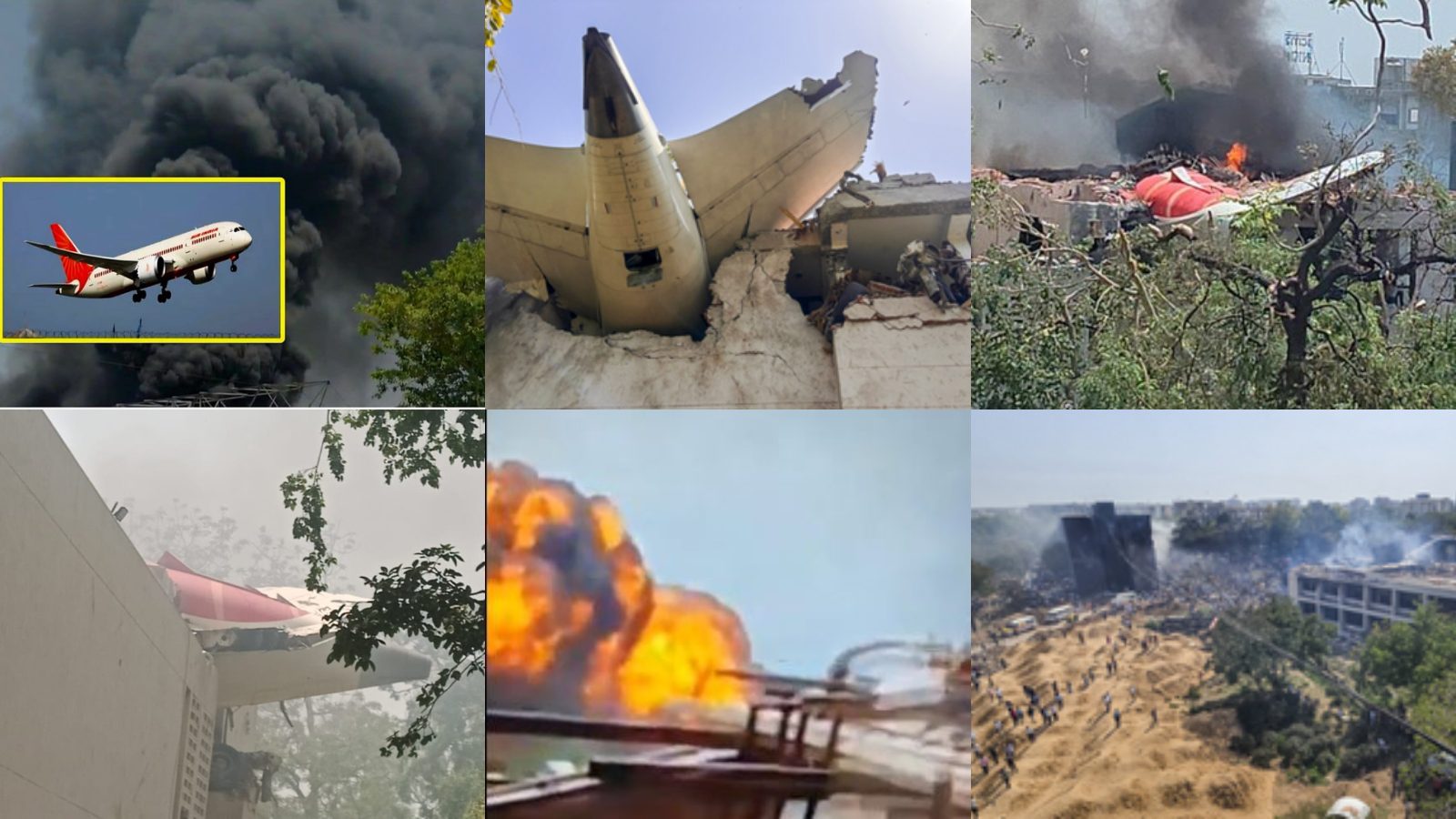
What Might Have Happened During AI-171’s Takeoff Based on publicly available data and logical assumption, here’s a theoretical timeline
Immediately After LiftoffAs the Dreamliner lifted off, a key sensor system may have failed. For instance A faulty AOA sensor could have indicated an incorrect nose-up angle, prompting automatic or manual pitch-down inputs. Incorrect airspeed data from blocked or failed pitot tubes might have confused pilots and systems. Loss of inertial data may have rendered attitude displays blank or misleading.
Conflicting Inputs & Loss of Control If multiple sensors failed or fed corrupted data into the Air Data Computers The autopilot may have disengaged. Warning systems may have triggered false stall or overspeed alerts.Pilots may have been overwhelmed with alarms, flashing displays, and incorrect readings—leaving them flying “blind. Emergency Call & System Decline In the moments before the crash Pilots sent a Mayday call, which suggests they recognized a severe problem. Connection to ATC was lost rapidly, implying a simultaneous electrical or systems failure.Eyewitness reports or visuals show the Ram Air Turbine (RAT) may have deployed a sign of full electrical failure, often linked to dual engine loss or central system failure. If RAT deployed, the aircraft was likely operating on minimal backup power, with only limited instrumentation, flight controls, and hydraulics active.
Why Sensor Failures Are So Dangerous After Takeoff Takeoff is the most sensitive phase of flight. Aircraft are low, fast, and close to stall speeds. Pilots have little time or altitude to troubleshoot. If any of the following went wrong after liftoff, recovery would have been extremely difficult Unreliable Airspeed A blocked pitot tube can falsely show the aircraft as too slow or too fast. Pilots may apply incorrect thrust or pitch, causing a stall or overspeed condition. Incorrect AOA Input A faulty AOA reading may trigger automated systems to pitch the nose down to avoid a stall even if the aircraft is stable.
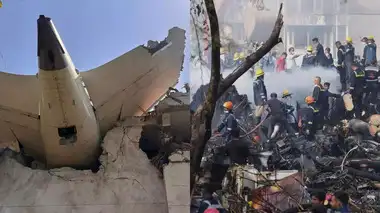
Did AI-171 Suffer a Total System Overload ?
Given the aircraft’s loss of ATC communication, Mayday call, and apparent power loss, one hypothesis is a critical cascading failure, triggered by one or more faulty sensors.A failed AOA sensor leads to autopilot disengagement.Incorrect airspeed readings lead pilots to misjudge climb rate.
FADEC input errors cause both engines to idle or flame out. The RAT deploys to keep minimum systems alive.Pilots attempt to control the aircraft manually, but with unreliable instruments and low altitude, a stall or hard bank is unrecoverable. Such a scenario fits within the theory that sensor and electrical input failures not mechanical breakdowns led to the crash.
While only black box data will confirm the truth, this assumption highlights a known vulnerability in even the most advanced aircraft when sensors go dark or go rogue, the entire safety net unravels.This case reminds us that aircraft don’t crash because of a single failure—they crash when multiple safety layers fail at once. If AI-171 was lost to a sensor-led system failure, it demands urgent attention from aviation regulators, aircraft manufacturers, and airlines to prevent a repeat of this tragic silence.