


Ancient Civilization Unearthed in Karnataka: 4,000-Year-Old Human Settlement Discovered in Maski In a groundbreaking archaeological revelation, researchers have discovered compelling evidence of a 4,000-year-old human settlement in the historical town of Maski, located in the Raichur district of Karnataka. The finding is expected to significantly enhance our understanding of prehistoric life in South India and shed light on early human habitation patterns, agriculture, and cultural practices.
The Discovery The research team, led by archaeologists and historians from reputed institutions, conducted extensive excavations in the Maski region — a site already known for its Ashokan edicts and historical significance. During the excavation, they uncovered: Ancient pottery fragments Stone tools and microliths Remains of mud houses Charred grains and seeds Animal bones and hearths These artifacts have been carbon-dated to roughly 2000 BCE, placing them within the Neolithic-Chalcolithic period, a time when humans transitioned from hunter-gatherers to settled agriculturalists.
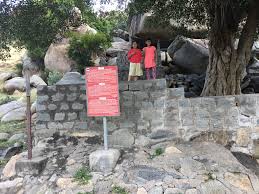
Insights into Early Life According to researchers, the settlement appears to have been a thriving agrarian community, with evidence of domesticated crops, organized housing structures, and signs of community life. The charred remains of grains such as millets, pulses, and possibly rice suggest that the people of ancient Maski were well-versed in agriculture and food storage. Additionally, the tools found indicate hunting and food processing activities, while hearths and post-holes point to cooking and habitation structures.
Historical Significance Maski is no stranger to history — it gained prominence in the early 20th century when an inscription bearing the name "Asoka" (with the title "Devanampriya") was discovered, confirming the identity of the Mauryan emperor Ashoka. However, this latest discovery pushes the timeline of human presence in the area much further back, into the pre-Mauryan era, by nearly 2,000 years. This reinforces the belief that South India was home to advanced prehistoric settlements with a rich cultural and agricultural heritage long before classical dynasties rose to prominence.
What Experts Say Dr. R. S. Hiremath, a senior archaeologist part of the team, said: “This is one of the most significant prehistoric findings in recent times. It not only adds a new layer to Maski’s already rich past but also connects us to the way our ancestors lived, ate, and interacted with their environment.” Experts believe that more such settlements could be discovered in the Krishna-Tungabhadra river basin, which has long been suspected to be a cradle of early human civilization in South India.
Preservation and Next Steps The Karnataka State Department of Archaeology has begun efforts to preserve the site and is working with the Archaeological Survey of India (ASI) to conduct further surveys. Plans are underway to develop an open-air archaeological park or heritage site that can showcase the excavations and educate the public on Karnataka’s deep-rooted history