


Kalki Temple of Jaipur: A Rare Shrine Dedicated to the Future Avatar of Vishnu
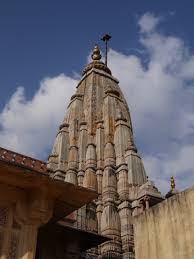
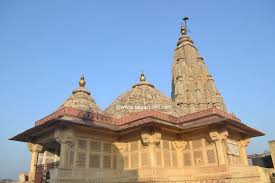
The Kalki Temple in Jaipur, Rajasthan, is one of the rare and fascinating Hindu temples dedicated to Lord Kalki, believed to be the tenth and final avatar of Lord Vishnu. As per Hindu scriptures, Kalki is yet to arrive—his divine role being to end the Kali Yuga and restore righteousness (Dharma). The temple was constructed in the 18th century by Maharaja Sawai Jai Singh II, the founder of Jaipur. It is located in Sireh Deori Bazaar, directly opposite the Jaleb Chowk Gate of City Palace and close to the Hawa Mahal. This shrine is among the very few temples in the world exclusively dedicated to Kalki, making it both spiritually and historically significant.
History and Origin
The Kalki Temple was built around 1727 AD by Sawai Jai Singh II, who was not only a ruler but also a renowned scholar of the Vedas, astrology, and Hindu scriptures. Some historical accounts suggest that the temple was erected in memory of his grandson, Kalki Singh, who died young. As it is dedicated to a future avatar, the temple holds a unique place in Hinduism. Texts like the Kalki Purana and Shrimad Bhagavata Purana describe Kalki as the divine warrior who will appear at the end of Kali Yuga, riding the celestial white horse Devadatta, to vanquish evil forces and restore Dharma.
Architecture and Features
The temple architecture is a beautiful example of Rajasthani temple design. The main entrance, known as Singh Dwar, is built with large stone slabs and leads to a mandapa with a prominent shikhara (dome). Inside the sanctum, there are idols of Lord Kalki and Goddess Lakshmi. On the marble door frames are carvings of the nine avatars of Vishnu. On the right side is Lord Brahma, and on the left are Lord Shiva and Goddess Parvati, seated on Nandi.
Outside the temple, one can see the white marble statue of Devadatta, the mythical horse of Kalki, standing on a platform. A crack on the horse’s left hind leg is believed by devotees to be a "wound", which, according to legend, will heal when Kalki finally arrives to end the age of darkness. The marble flooring of the temple features lotus flowers and conch symbols, representing the divine emblems of Vishnu.
Spiritual Significance
Dedicated to a divine figure who is yet to appear, the Kalki Temple is rare and deeply symbolic. It is maintained by the Rajasthan Department of Devasthan, with government-appointed priests conducting daily rituals and worship. Devotees visit the temple seeking peace and spiritual solace, drawn by the mystique of a future redeemer.
Modern Relevance
The release of the film “Kalki 2898 AD” in 2024 has sparked new interest in Lord Kalki among younger audiences, leading to increased attention to this temple. Furthermore, the foundation stone for a grand Kalki Dham was laid by Prime Minister Narendra Modi in Sambhal, Uttar Pradesh, on February 19, 2024, emphasizing the growing recognition of Kalki temples in the cultural and spiritual fabric of India.
This temple stands as a symbol of Jaipur’s rich cultural and spiritual legacy, blending history with divine anticipation.
Birth of Kalki
According to the Kalki Purana, Kalki will be born in the village of Shambhala to a pious Brahmin named Vishnuyashas, a devotee of Lord Shiva, and his wife Sumati. His birth is prophesied to occur at the very end of the Kali Yuga.
Scriptures estimate that Kalki will arrive at the conclusion of a 432,000-year period, although modern scholars often interpret this timeline as symbolic rather than literal.
Kalki is described as a mighty warrior, riding the white horse Devadatta, and wielding the divine sword Ratnamaru Khadga, along with sacred weapons like the conch (Shankha), discus (Chakra), and mace (Gada). He will be accompanied by Padma or Vaishnavi, a form of Goddess Lakshmi.