


Bengaluru: Karnataka, a state steeped in rich history and spiritual traditions, boasts a multitude of temples, many of which are centuries old and hold significant mythological importance. These sacred sites not only serve as centers of worship but also generate substantial revenue, primarily through the generous offerings of their devotees. A recent compilation highlights the state's wealthiest temples, revealing the impressive financial streams fueled by faith.
Logitech H111 Wired On Ear Headphones With Mic Black
Udupi Sri Krishna Matha Leads the Pack with an Estimated ₹60–90 Crore Annual Income:
This prominent Vaishnavite monastery in Udupi stands as one of Karnataka's highest earners. Its substantial income is derived from a diverse range of sources, including direct donations from devotees, sales of 'prasadam' (sacred offerings), contributions towards renovation projects, and revenue from the numerous educational institutions under its widespread influence. The financial management of the Matha is meticulously handled by the collective administration of the 'Ashta Mathas,' including the well-known Palimaru and Pejawara Mathas.
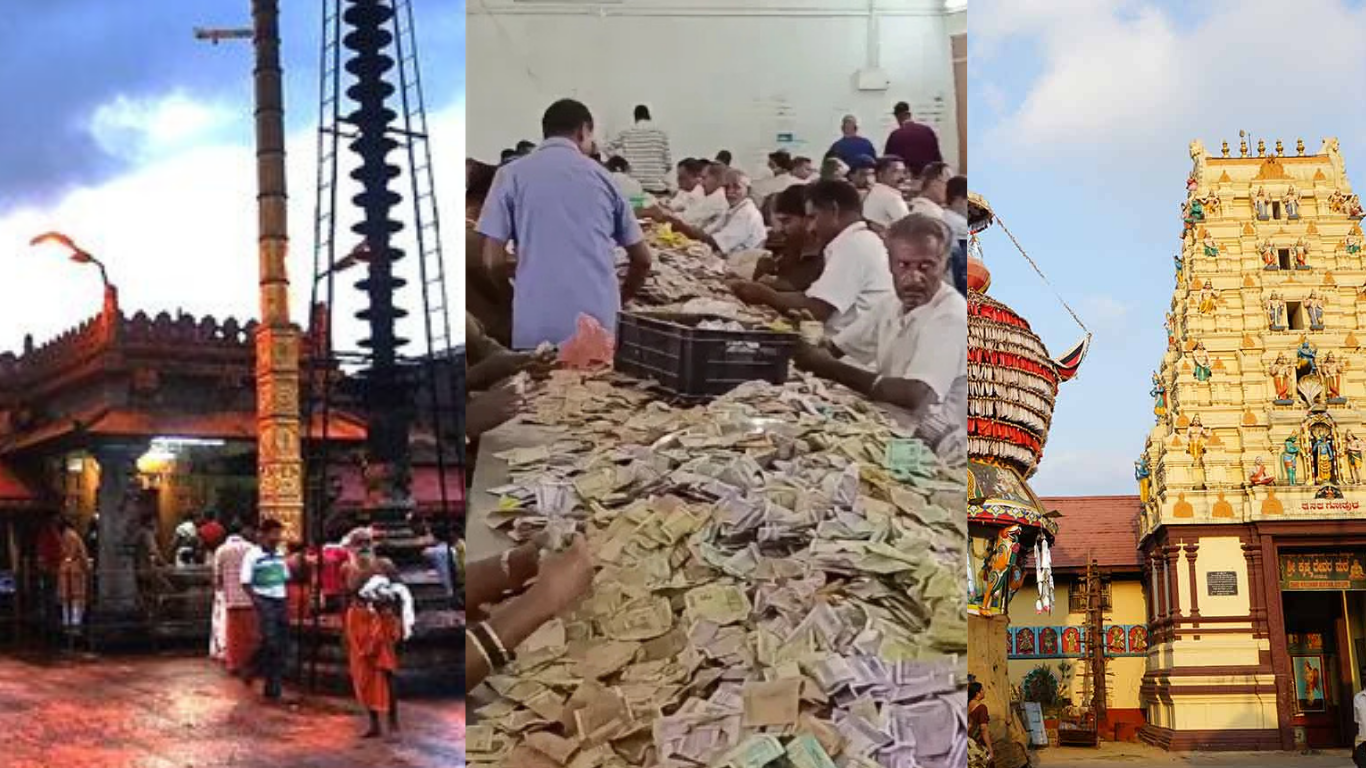
Kollur Mookambika Temple: A Magnet for Massive Festival Revenue, Earning ₹50–80 Crore Annually:
Nestled in the Western Ghats, the Kollur Mookambika Temple is a revered pilgrimage site that sees its coffers swell significantly during major festivals. Events like Navaratri and annual fairs draw immense crowds, with their offerings contributing to the temple's impressive annual income, estimated between ₹50–80 crore.
Kukke Subrahmanya Temple: Sarpa Samskara Ritual Fuels ₹40–60 Crore in Yearly Income:
The Kukke Subrahmanya Temple, dedicated to Lord Subrahmanya, is a spiritual powerhouse, particularly renowned for its 'Sarpa Samskara' ritual. This specific offering, performed to appease serpent deities, costs devotees between ₹3,000 and ₹5,000 per ritual. With hundreds of thousands of devotees visiting annually, especially during the peak Sarpa Samskara season, the temple's annual income comfortably falls in the ₹40–60 crore range.
Sringeri Sharada Peetha (Chikkamagaluru) Spiritual and Educational Endeavors Yield ₹30–50 Crore Annually:
As one of the four cardinal peethams established by Adi Shankara, the Sringeri Sharada Peetha is a significant center for Advaita Vedanta. Its annual income, ranging from ₹30–50 crore, comes from various sources including religious and personal donations. Additionally, revenue is generated from its network of affiliated branch Mathas, traditional Vedic schools (pathashalas), and various philosophical and spiritual activities it undertakes.
Nanjangud Nanjundeshwara Temple (Mysuru): Festival Crowds Boost Income to ₹25–40 Crore:
Known as "Dakshina Kashi," the Nanjangud Nanjundeshwara Temple, dedicated to Lord Shiva, is a popular destination for devotees. Its annual income, estimated at ₹25–40 crore, is heavily boosted by the influx of offerings during special festivals and annual temple fairs, where attendance often exceeds one lakh devotees.
Male Mahadeshwara Temple (Chamarajanagar): Fair Season Doubles Donations, Leading to ₹20–30 Crore Income:
The Male Mahadeshwara Temple, nestled in the picturesque Chamarajanagar district, is another significant religious site. While its regular devotee offerings contribute steadily, the temple's annual income, typically between ₹20–30 crore, sees a substantial surge, often doubling, during the revered Mahadeshwara temple fair, attracting pilgrims from across Karnataka and beyond.
These figures underscore the deep faith and devotion of the people of Karnataka, who continue to contribute generously to their sacred institutions, ensuring their upkeep and the perpetuation of ancient traditions.