


Fibermaxing is a viral health trend gaining popularity on platforms like TikTok and Instagram. It involves significantly increasing the amount of fiber in one’s daily diet — often exceeding the recommended daily intake of 25–30 grams.
People following this trend include fiber-rich foods such as chia seeds, flaxseeds, whole grains, vegetables, fruits, legumes, and seeds in their meals. Some also rely on fiber supplements. The goal is to improve digestion, aid weight loss, stabilize blood sugar levels, and support overall gut health.
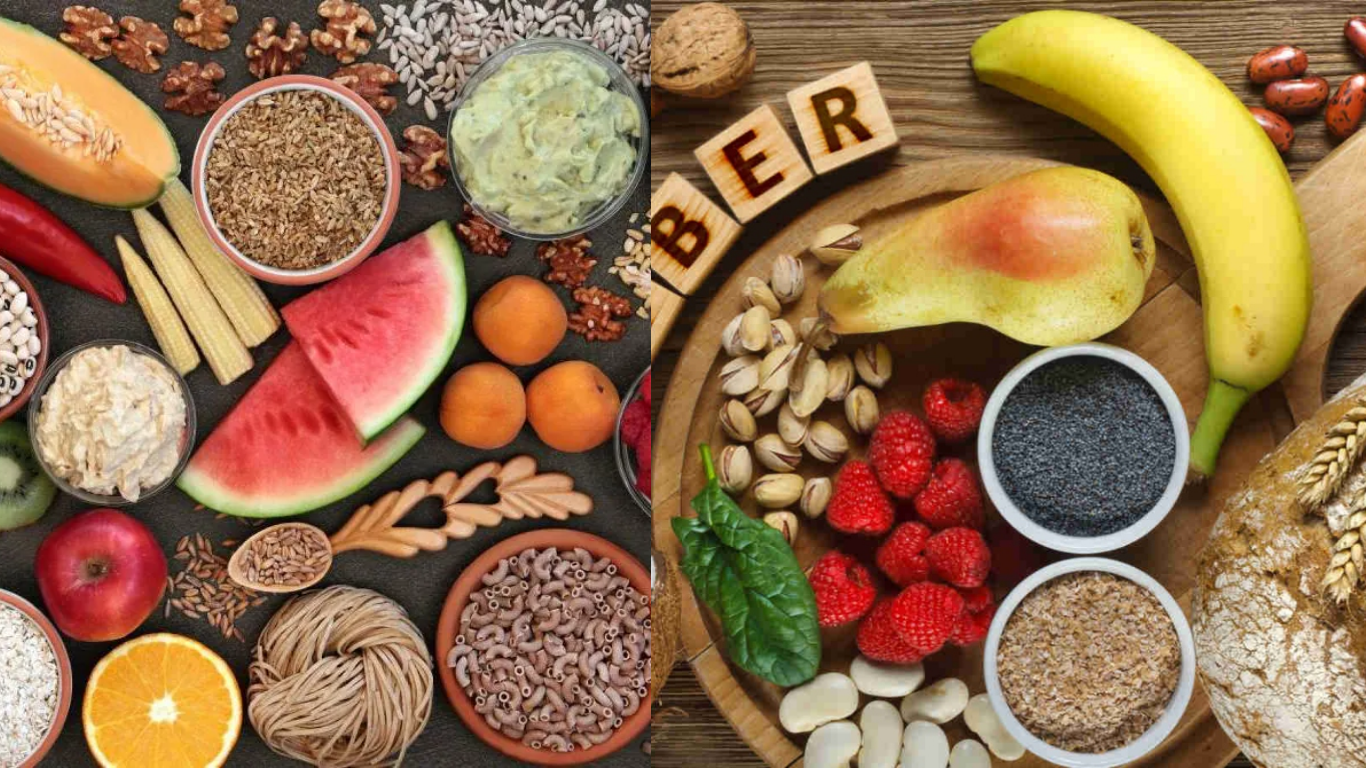
Benefits of Fiber:
Fiber is an essential nutrient that provides several health benefits:
Digestive Health: Regulates bowel movements, prevents constipation, and supports a healthy gut.
Weight Management: High-fiber foods promote a sense of fullness, reducing overall calorie intake.
Blood Sugar Control: Slows digestion, helping stabilize blood sugar levels.
Chronic Disease Prevention: Regular fiber intake may lower the risk of heart disease, type 2 diabetes, and colorectal cancer.Safari Flip 32L Casual Printed Backpack, 2 Compartments, Bottle Holder, Front Pocket, School Bag for Boys and Girls, College Bag, Office Bag, Travel Bag for Men and Women
Given these benefits — and the fact that over 90% of people fail to meet daily fiber recommendations — it’s no surprise that fibermaxing has caught on.
Potential Risks and Side Effects:
Despite its good intentions, extreme fibermaxing can lead to several problems, especially when fiber intake is rapidly increased:
Digestive Discomfort: A sudden spike in fiber can cause bloating, gas, constipation, or even diarrhea. In some, it may trigger severe abdominal pain.
Nutrient Absorption Issues: Excessive fiber may interfere with the absorption of key micronutrients like iron, calcium, and zinc, affecting long-term health.
Dehydration Risk: High fiber needs adequate water to support digestion. Without enough water, constipation may worsen. Experts recommend at least 2 to 2.5 liters of water per day.
Overuse of Supplements: Some turn to supplements like psyllium husk, which, when overused — especially without proper hydration — can cause blockages or discomfort.
Unbalanced Diet: In extreme cases, people reduce protein, carbs, or fats in favor of fiber, leading to poor overall nutrition.
Gut Sensitivity: For individuals with IBS (Irritable Bowel Syndrome) or other gastrointestinal conditions, high fiber intake can worsen symptoms.
Conclusion:
While fibermaxing aims to address the widespread deficiency in fiber intake, the intense approach may backfire, leading to digestive issues, nutrient imbalances, and dehydration. The safest and most effective way to adopt this trend is to gradually increase fiber intake, maintain a balanced diet, and stay well-hydrated