


The indefinite strike by employees of Karnataka’s state transport corporations, starting August 5, 2025, has partially disrupted bus services in Bengaluru, causing significant inconvenience to public transportation. As a result, metro stations across the city are experiencing heavy overcrowding, with commuters increasingly relying on Bengaluru’s Namma Metro as an alternative.
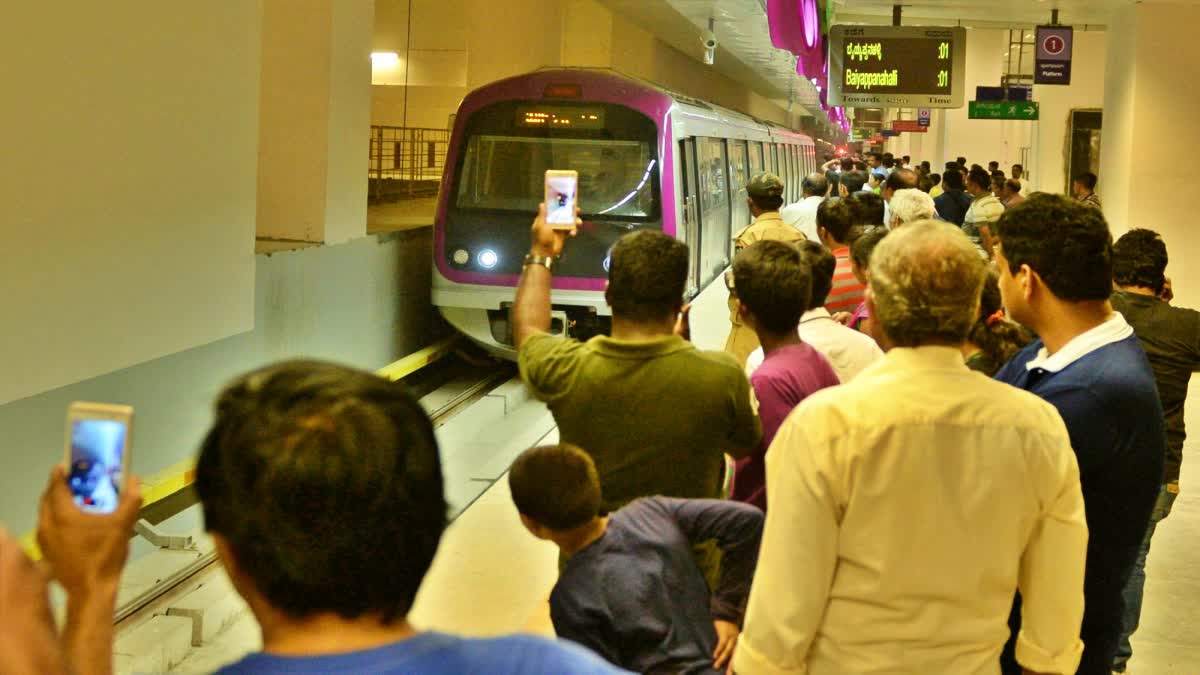
This has led to chaotic scenes at key metro stations, severely impacting the daily commute.The strike, initiated by workers of the Karnataka State Road Transport Corporation (KSRTC) and Bangalore Metropolitan Transport Corporation (BMTC), is driven by demands for better wages, improved working conditions, and resolution of long-standing grievances.
BMTC, which operates thousands of buses connecting Bengaluru’s urban and suburban areas, has seen a drastic reduction in services. This has left commuters stranded, forcing them to seek other modes of transport. The disruption has also affected intercity travel, as KSRTC buses, vital for connecting Bengaluru to other parts of Karnataka and neighboring states, are largely non-operational.
With buses off the roads, Namma Metro has become the go-to option for many, resulting in unprecedented crowds at stations like Majestic, MG Road, Whitefield, and Baiyappanahalli. Long queues, packed platforms, and delays in boarding trains during peak hours have become common.
Metro authorities are struggling to manage the surge, despite efforts to increase train frequency. The metro system, designed to handle a significant but not overwhelming passenger load, is under immense pressure, leading to discomfort and safety concerns for commuters.
The strike’s ripple effects extend beyond metro stations. Autorickshaws and cabs are in high demand, with fares surging due to the scarcity of public buses. Daily wage workers, students, and office-goers are particularly affected, facing challenges in reaching their destinations.
The state government has initiated talks with the striking workers, urging them to resume services, but no agreement has been reached. The transport unions remain firm, pressing for immediate action on their demands.Bengaluru’s economic activities are also feeling the strain, with commercial hubs and industries facing disruptions.
If the strike persists, the pressure on the city’s transport infrastructure could intensify, further impacting daily life. Authorities are exploring temporary measures, such as additional metro services and alternative bus arrangements, to ease the burden. However, a swift resolution is crucial to restore normalcy.
Commuters are advised to plan their travel in advance and consider alternative options until the situation stabilizes.This crisis underscores the critical role of public transport in a bustling metropolis like Bengaluru and highlights the urgent need for dialogue to address the workers’ concerns while minimizing disruption to the public.