


The Ellora Caves, a UNESCO World Heritage Site located 30 km from Aurangabad, Maharashtra, are facing a serious threat. The historic 9th-century paintings within these caves are at risk due to water leakage. Renowned as a masterpiece of Indian rock-cut architecture, the caves represent a unique blend of Buddhist, Hindu, and Jain artistic traditions. However, recent reports indicate that water seepage into the cave walls is endangering these centuries-old artworks, raising fears of irreversible damage.
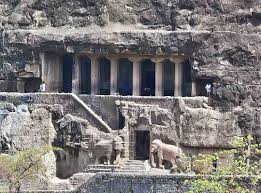
The water leakage issue primarily stems from the geological structure of the surrounding Charanandri hills and environmental changes. Heavy rainfall, inadequate drainage systems, and small cracks in the cave walls are contributing to the problem. This seepage is causing moisture to affect the paintings, potentially fading their colors and, in some cases, completely destroying them. Created under the patronage of the Rashtrakuta and Chalukya rulers during the 8th and 9th centuries, these paintings are an invaluable part of India’s cultural heritage.Addressing this issue is a complex task, requiring significant financial and technical resources.
In 2019, the Central Government announced plans to develop the Ellora Caves into a world-class tourist destination, but conservation challenges remain unresolved. To permanently address the water leakage problem, protecting the surrounding environment is crucial. Urgent measures, such as constructing rainwater channels, regulating indoor air quality, and employing modern technology to preserve the paintings, are essential. Additionally, awareness programs to educate tourists about the importance of conserving this heritage site are equally vital.