


Protein is an essential macronutrient that is vital for building and repairing tissues, supporting immune function, and producing enzymes and hormones. While its importance is undeniable, the modern-day focus on high-protein diets and supplements has led to a great deal of hype that can be confusing and, in some cases, misleading.
The Hard Truths About Protein
You probably don't need as much as you think: The recommended dietary allowance (RDA) for protein is 0.8 grams per kilogram of body weight per day for the average adult. This is easily met by a balanced diet. However, individuals who are very active, strength training, or are older adults may have higher protein needs.
More isn't always better: The idea that "more protein equals more muscle" is a misconception. The body can only use a limited amount of protein for muscle synthesis, and consuming excessive amounts can lead to unnecessary calorie intake and potential fat gain. In extreme cases, a high-protein diet can put a strain on the kidneys.
The "anabolic window" is a myth: The idea of a short, post-workout "anabolic window" where you must consume protein to maximize muscle growth has been largely debunked. While protein is important for recovery, you have a generous period of at least 24 hours to replenish your muscles.
The "protein package" matters: The health benefits of protein are not just about the protein itself, but also the "package" it comes in. Choosing healthy protein sources like beans, nuts, fish, or poultry over red and processed meats can lower the risk of heart disease and other health issues.
Supplements aren't always necessary: While protein supplements can be helpful for individuals with higher protein needs or dietary restrictions, they are not a magic solution. Many are heavily marketed and can be high in calories, sugar, and additives. It's often more beneficial to get protein from whole foods, which also provide a variety of other essential nutrients like vitamins, minerals, and fiber.Fflirtygo Men Graphic Print Cotton T-Shirt & Short Set for Men/Boys
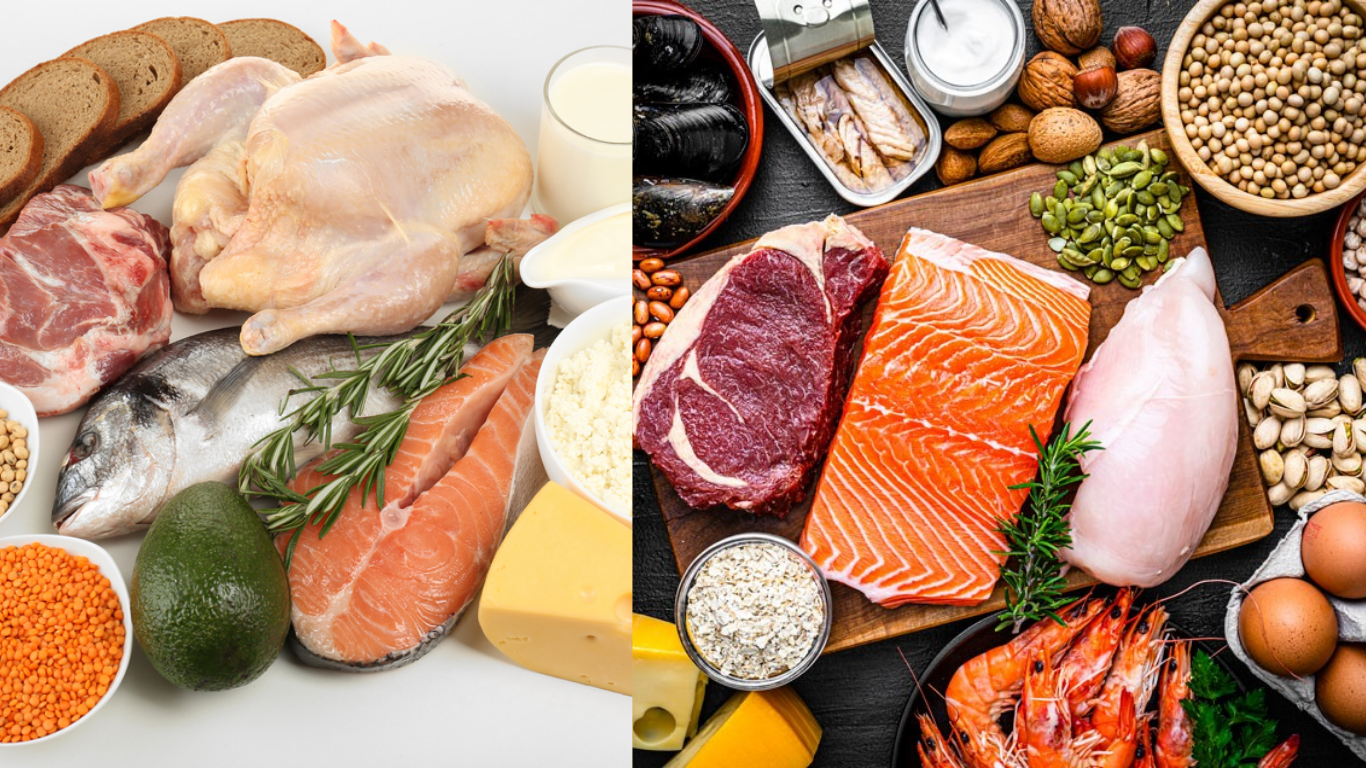
Excellent Sources of Protein (Health, Not Hype)
Both animal and plant-based foods offer excellent protein sources. Animal proteins are often considered "complete" because they contain all nine essential amino acids, while plant proteins may be "incomplete." However, by eating a variety of plant-based protein sources throughout the day, you can get all the amino acids you need.
read this: Actress Shwetha Menon booked over alleged obscene content in films!
Plant-based sources:
Legumes and pulses: Lentils, beans, split peas, and chickpeas are packed with protein and fiber.
Soy products: Tofu, edamame, and tempeh are versatile and protein-rich.
Nuts and seeds: Almonds, peanuts, chia seeds, and pumpkin seeds are great sources.
Whole grains: Oats, quinoa, and amaranth are good choices.
Animal-based sources:
Lean meats and poultry: Chicken breast, lean ground beef, and turkey are popular options.
Fish: Salmon, tuna, and other fatty fish are also great sources of omega-3 fatty acids.
Eggs: One large egg contains about 6 grams of protein.
Dairy: Greek yogurt, milk, and cheese are rich in protein and calcium.
The bottom line is that protein is a vital nutrient, but the focus should be on a balanced, whole-food diet that meets your individual needs, rather than falling for the overblown hype and marketing of high-protein products.