


India has imposed new port restrictions on the import of certain jute products from Bangladesh. These restrictions are now in effect, and here are the key reasons behind them:
Reasons Behind the Restrictions:
1. Protection of Domestic Industry:
India's jute sector is facing intense competition from cheaper, subsidized imports from Bangladesh. This has led to significant losses for Indian farmers and jute mills. These low-cost imports are driving down domestic prices, even threatening the sustainability of the Minimum Support Price (MSP) for jute.Vogaan Men's Polo Shirt and Shorts Set | Summer Fashion Short Sleeve Solid Zipper 2 Pieces Outfits for Men
2. Trade Irregularities:
India has alleged that some Bangladeshi exporters are involved in under-invoicing, misdeclaration, and exploiting loopholes to evade import duties and claim subsidies. The new restrictions aim to curb these unfair trade practices.
3. Quality Control and Monitoring:
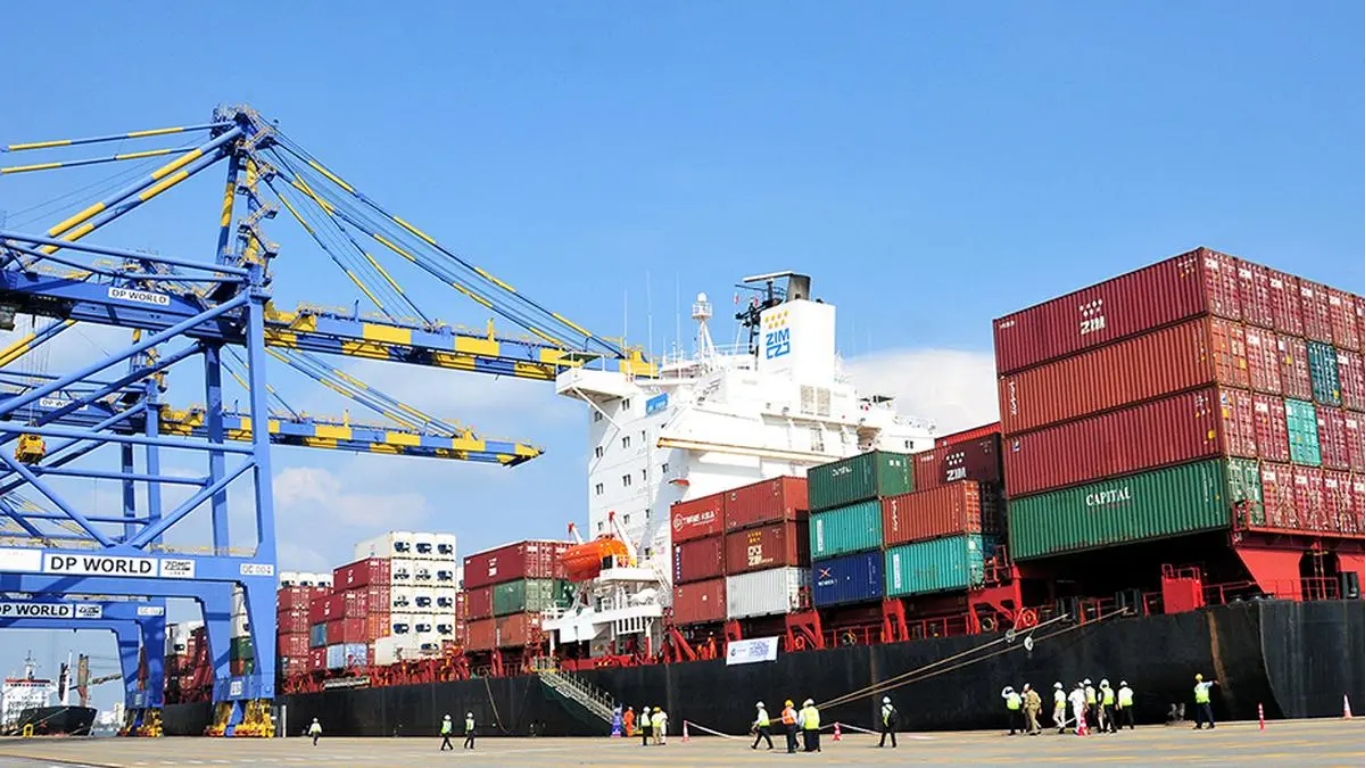
Imports through land ports are harder to monitor effectively. By rerouting shipments through the Nava Sheva seaport (and in some cases, Kolkata Port), Indian authorities can more easily inspect goods for quality (such as ensuring they are free of hydrocarbon oils) and enforce compliance.
4. Diplomatic Tensions with Bangladesh:
India-Bangladesh relations have seen recent strain. Controversial statements by interim Bangladeshi government head Muhammad Yunus in China, and Bangladesh’s failure to contain attacks on minority communities, have raised diplomatic concerns. Reports suggest these political developments have also influenced trade decisions.
Impact of the Restrictions:
1. Impact on Bangladeshi Exporters:
Small and medium exporters in Bangladesh, who mostly rely on land ports for trade, will face increased logistics costs and delivery delays. Transporting goods via seaports like Nava Sheva will reduce their price competitiveness in the Indian market.also read:Rahul Gandhi Slams Supreme Court’s Stray Dog Relocation Order Amid Free Speech Controversy
2. Trade Imbalance:
These restrictions may worsen the existing trade imbalance between the two countries. While India exports goods worth $11.46 billion to Bangladesh, its imports from Bangladesh stand at just $2 billion.
Nava Sheva Port as Mandatory Entry Point:
Due to these newly enforced restrictions, certain goods — including ready-made garments and other finished products — from Bangladesh are now prohibited from entering India via land borders, especially into the northeastern states. Instead, they must be imported exclusively through Nava Sheva (in Mumbai) or Kolkata seaports