


AIMIM chief and Hyderabad MP Asaduddin Owaisi has sharply criticized Pakistan Army Chief General Syed Asim Munir for his nuclear threats against India, labeling his remarks as those of a "sadakchaap aadmi" (street ruffian). Owaisi called it deplorable that such threats were made from the soil of India’s strategic partner, the United States.
Details:
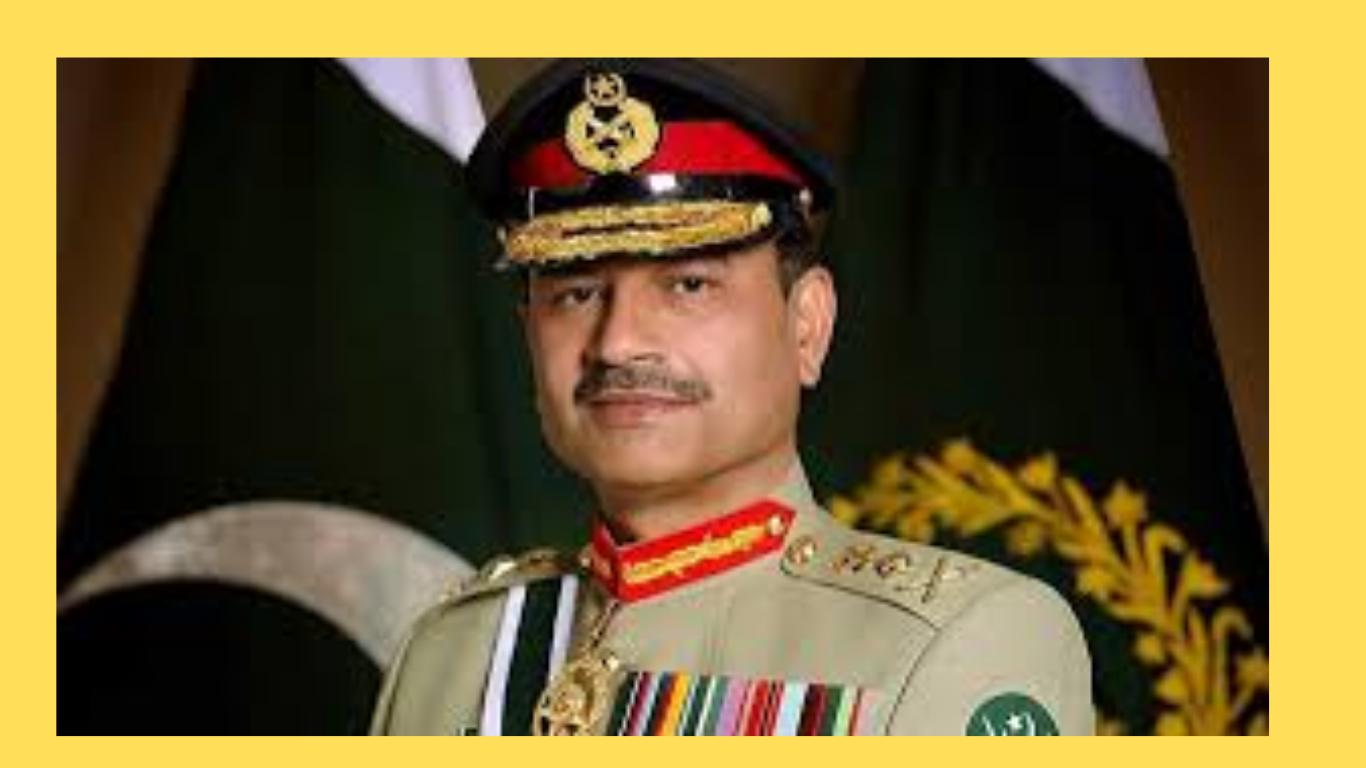
In a recent speech at the Four Seasons Hotel in Washington, General Asim Munir addressed the Pakistani-American community, using provocative language against India. Referring to Kashmir as the "jugular vein" of Pakistan, Munir reiterated the two-nation theory and issued a nuclear threat, stating that Pakistan could "bring down India and half the world" if its existence is threatened. He further claimed that Pakistan could destroy Indian dams on the Indus River with "10 missiles." These remarks followed heightened tensions after a terrorist attack in Pahalgam, Jammu and Kashmir, on April 22, 2025.Owaisi, speaking to ANI, condemned Munir’s statements as “deplorable” and criticized the Pakistan Army Chief’s rhetoric. “The statements and threats of the Pakistan Army Chief are condemnable.Vogaan Men's T-Shirt and Shorts Set | Top & Shorts Night Suits Set | Night Wear for Men
He is speaking like a ‘sadakchaap aadmi’,” Owaisi remarked, expressing dismay that such provocative comments were made from the US, a key ally of India.
Key Points of Owaisi’s Criticism:
Venue of Threat: Owaisi highlighted the “unfortunate” choice of the US as the platform for Munir’s nuclear threats, given India’s strategic partnership with the country.
“Sadakchaap Aadmi” Remark: He lambasted Munir’s language as unbecoming of a military chief, comparing it to that of a street ruffian.
Increase the Defence Budget : Citing Pakistan’s military stance and its “deep state” influence, Owaisi urged India to bolster its defence budget and modernize its armed forces to counter ongoing threats.
Call for Political Response:
Owaisi emphasized that a mere statement from the Ministry of External Affairs (MEA) is insufficient, pressing the Indian government for a stronger political response and urging it to raise the issue with the US.
MEA’s Response:
On August 11, 2025, the Ministry of External Affairs responded, with spokesperson Randhir Jaiswal stating that nuclear threats are a “familiar tactic” of Pakistan. The MEA noted that such remarks reinforce concerns about the integrity of Pakistan’s nuclear command and control, given its military’s ties to terrorist groups. Jaiswal called it “regrettable” that the comments were made from a friendly third country’s soil, signaling India’s intent to take all necessary measures to safeguard national security.
Conclusion:
Owaisi’s sharp rebuke of General Munir’s nuclear threat underscores the fragile India-Pakistan relations and raises questions about the role of third countries like the US in such rhetoric. His call for increased defence spending and a robust political response highlights the need for India to strengthen its strategic preparedness. Bengaluru’s political observers note that this issue could influence India’s foreign policy discourse in the coming months.