


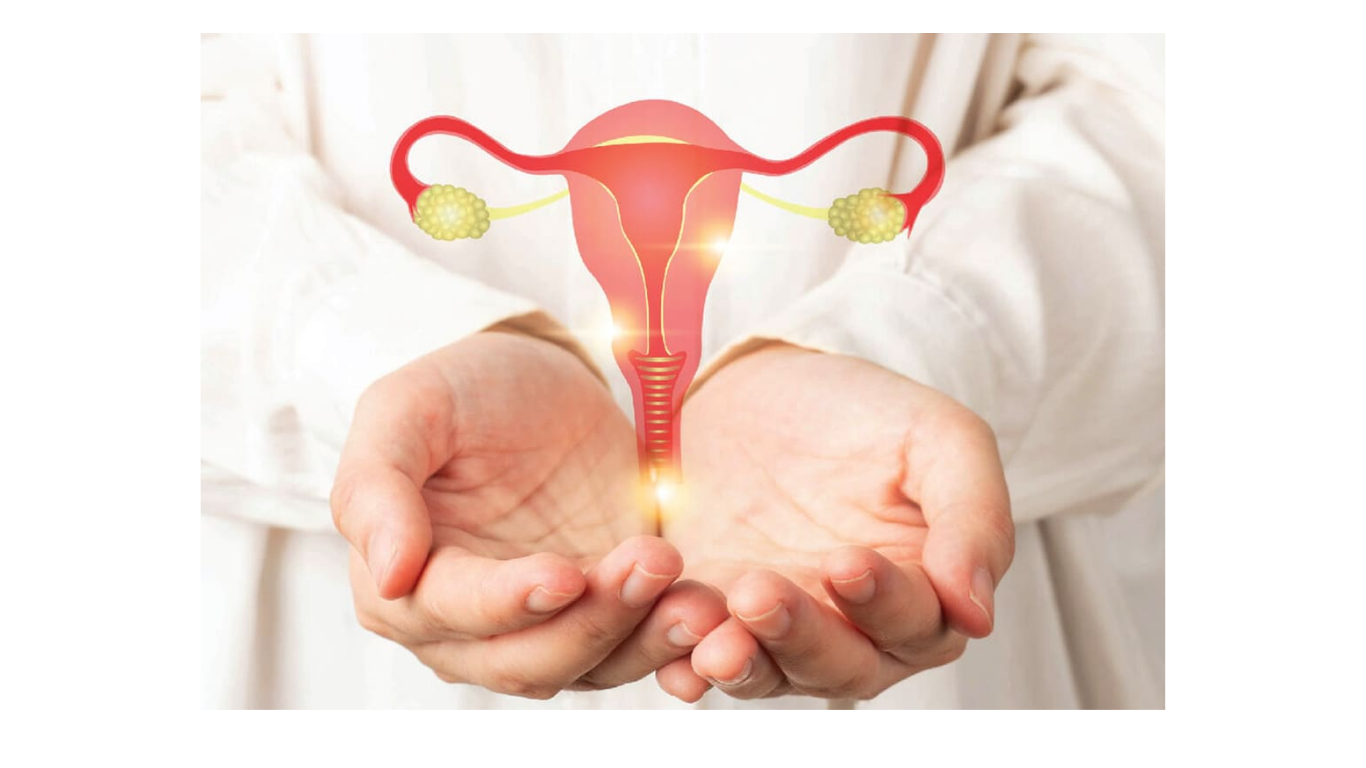
Polycystic Ovary Syndrome (PCOS), also known as Polycystic Ovary Disease (PCOD), is a common hormonal disorder affecting women of reproductive age. It’s characterized by irregular menstrual cycles, excess androgen levels, and polycystic ovaries. Below is a concise overview based on current knowledge:What is PCOD/PCOS?Definition: A condition where the ovaries produce excessive androgens (male hormones), leading to hormonal imbalances that can affect ovulation, fertility, and overall health.
Prevalence: Affects approximately 5-10% of women worldwide, though some estimates suggest up to 20% depending on diagnostic criteria.
Symptoms Irregular Periods: Infrequent, prolonged, or absent menstrual cycles due to irregular ovulation.
Excess Androgens: Symptoms like hirsutism (excess facial/body hair), acne, or male-pattern baldness.
Polycystic Ovaries: Ovaries may appear enlarged with multiple small cysts (follicles) visible on ultrasound.
Other Symptoms: Weight gain or difficulty losing weight.
Infertility or difficulty conceiving.
Skin issues like darkening (acanthosis nigricans) or skin tags.
Mood swings, anxiety, or depression.
Fatigue or low energy.
Causes The exact cause is unknown, but contributing factors include:Genetics: Family history increases risk.
Insulin Resistance: Common in 50-70% of PCOS cases, leading to higher insulin levels that stimulate androgen production.
Hormonal Imbalance: Elevated androgens and luteinizing hormone (LH) disrupt ovulation.
Inflammation: Low-grade inflammation may contribute to insulin resistance and androgen excess.
Diagnosis PCOS is diagnosed using the Rotterdam Criteria, requiring at least two of the following:Irregular or absent ovulation (oligo/anovulation).Also read: Karnataka Deputy Chief Minister D.K. Shivakumar has joined Rahul Gandhi's "Voter Adhikar Yatra" in Bihar, rahul visit could be a "game-changer" for the state.
Signs of excess androgens (clinical or biochemical).
Polycystic ovaries on ultrasound (12 or more follicles in one ovary or ovarian volume >10 mL).
Other conditions (e.g., thyroid disorders, hyperprolactinemia) must be ruled out.
Health RisksIf untreated, PCOS can lead to:Infertility due to irregular ovulation.
Type 2 diabetes or metabolic syndrome (due to insulin resistance).
Cardiovascular issues (high blood pressure, cholesterol).
Endometrial cancer (from unopposed estrogen exposure).
Mental health challenges (anxiety, depression).
Living with PCOD Regular Monitoring:
Check-ups for diabetes, heart health, and endometrial changes.
Support: Joining PCOS support groups or consulting a dietitian/endocrinologist can help.
Fertility: Many women with PCOS conceive with treatment or assisted reproductive techniques like IVF.
Myths and Facts Myth:
PCOS only affects overweight women. Fact: It can occur in women of all body types, though weight gain can worsen symptoms.
Myth: PCOS means you can’t get pregnant. Fact: Many women with PCOS conceive with proper management.