


The Central Government has rolled out GST 2.0, effective from September 22, 2025, scrapping the 18% and 28% tax slabs and retaining 8% and 18% rates. A new 40% sin tax has been introduced for luxury and harmful goods, such as cigarettes and carbonated beverages. However, alcohol products are notably excluded from this category, and there are compelling reasons for this decision.India’s GST Collection for July 2025: Gross ₹1.96 Lakh Crore, Net ₹1.69 Lakh Crore.!
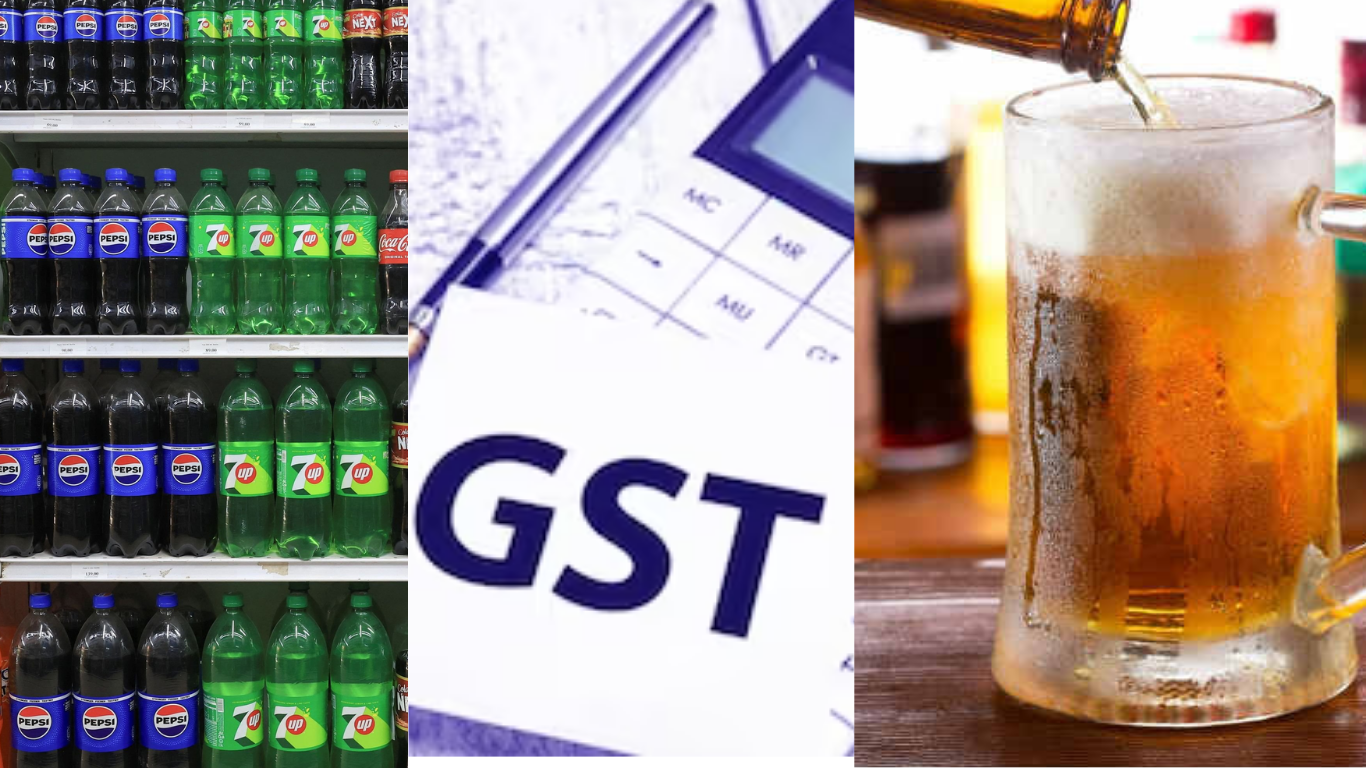
Firstly, alcohol remains outside the GST framework. Under the 7th Schedule of the Indian Constitution, taxation of alcohol is a state prerogative. When GST was implemented, alcohol was deliberately kept out as it constitutes a major revenue source for states, bolstering their financial independence.Secondly, the sin tax aims to safeguard public health and curb the consumption of harmful products.
While cigarettes and tobacco have proven severe health risks, alcohol lacks a universal consensus on its harm. Some states view alcohol as socially acceptable, treating its taxation as a revenue stream rather than a punitive measure.Thirdly, the alcohol industry is a significant economic driver, contributing to job creation, agriculture, and licensing revenue.
A 40% sin tax could disrupt this sector, potentially impacting state revenues adversely.Finally, political and social considerations play a role. Imposing GST or a sin tax on alcohol could face strong opposition from states, as it would encroach on their fiscal autonomy. Consequently, the Central Government has left alcohol taxation entirely to state governments.GST Council Announces Major Tax Reforms: 5% and 18% Slabs to Remain, Effective September 22
Since alcohol taxation falls outside the Central Government’s authority, states continue to levy excise duties and other taxes on liquor, preserving their financial autonomy. Thus, the sin tax under GST 2.0 is restricted to tobacco products and other harmful or luxury goods, excluding alcohol.