


Mushroom farming is an efficient agricultural practice that yields high returns in minimal space and time, making it an excellent avenue for self-employment for unemployed individuals, small-scale farmers, and landless workers. Mushrooms are rich in proteins, minerals, and vitamins, serving as a nutritious food source, especially for those with health concerns. Since mushrooms are grown on organic waste, they do not harm the environment and allow for effective utilization of agricultural waste.
When and Where to Grow Mushrooms:
Mushrooms can be cultivated in very small spaces, such as indoors, gardens, fields, or even along roadsides, without compromising their high nutritional value. This makes mushroom farming an ideal opportunity for farmers, landless individuals, and the unemployed to achieve self-reliance. While some mushrooms grow naturally in gardens, fields, or roadsides, not all are of good quality.
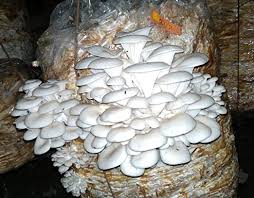
Certain mushrooms, like the toxic "dog mushroom," can be harmful to health if consumed. However, high-quality mushrooms are packed with proteins, vitamins, and minerals, effectively addressing nutritional deficiencies.By utilizing agricultural waste such as wheat straw or paddy husk, mushroom farming promotes efficient waste management. It is an environmentally friendly practice that does not contribute to pollution, unlike chemical-based industries. Mushrooms can be grown year-round, providing a consistent source of income.