


In India, GST rates on electronic products are determined by the type and specifications of the items. Products such as mobile phones, refrigerators, televisions up to 32 inches, printers, electrical capacitors, resistors, vacuum cleaners, smoothing irons, water heaters, hair dryers, electric lamps, microphones, amplifiers, headphones, earphones, cameras, transformers, static converters, CCTV systems, and electrical insulators are subject to an 18% GST.GST Council Announces Major Tax Reforms: 5% and 18% Slabs to Remain, Effective September 22
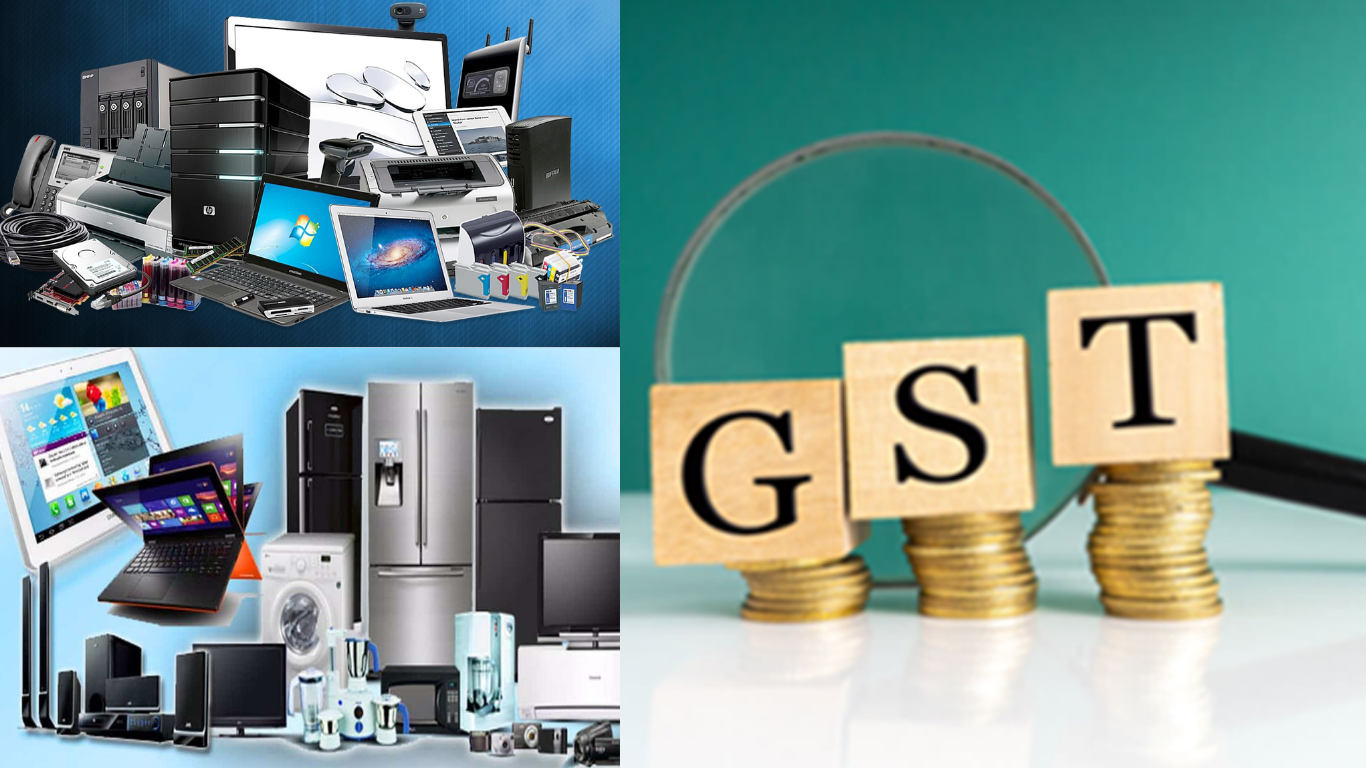
For televisions, including LED models, the GST rate depends on screen size: 18% for TVs up to 32 inches and 28% for those larger. Similarly, high-end products like air conditioners, electrical accumulators, monitors, projectors, electrical ignition devices, and dishwashing machines attract a 28% GST.Naixa Women's Vichitra Silk Embroidered Flared Kurta with Pant and Dupatta Sets (Available in Plus Size) (NX2-731)
These tax rates significantly influence consumer purchasing decisions. For instance, buyers of 32-inch LED TVs benefit from the lower 18% GST, while larger TVs incur a higher 28% tax, increasing costs. Similarly, air conditioners, taxed at 28%, require consumers to factor in tax alongside the base price.
This GST structure not only boosts government revenue but also shapes consumer choices and market dynamics. Understanding these tax rates is crucial for consumers to make informed decisions when purchasing electronic goods, ensuring they account for the tax impact on their budgets.India’s GST Council Announces Major Tax Reforms Effective September 22, 2025..!