


The Indian Air Force (IAF) bid farewell to its iconic MiG-21 Bison fighter jets, marking the end of 62 years of service, on September 26, 2025, at a ceremonial event held at the Chandigarh Air Base. The retirement ceremony was attended by Defence Minister Rajnath Singh, Air Chief Marshal AP Singh, and several retired IAF veterans. The MiG-21, India’s first supersonic fighter, was inducted in 1963, with over 700 units imported from Russia and many manufactured locally by Hindustan Aeronautics Limited (HAL).TRASE Block Heels Sandals For Women, Dusky Stylish & Comfortable Footwear
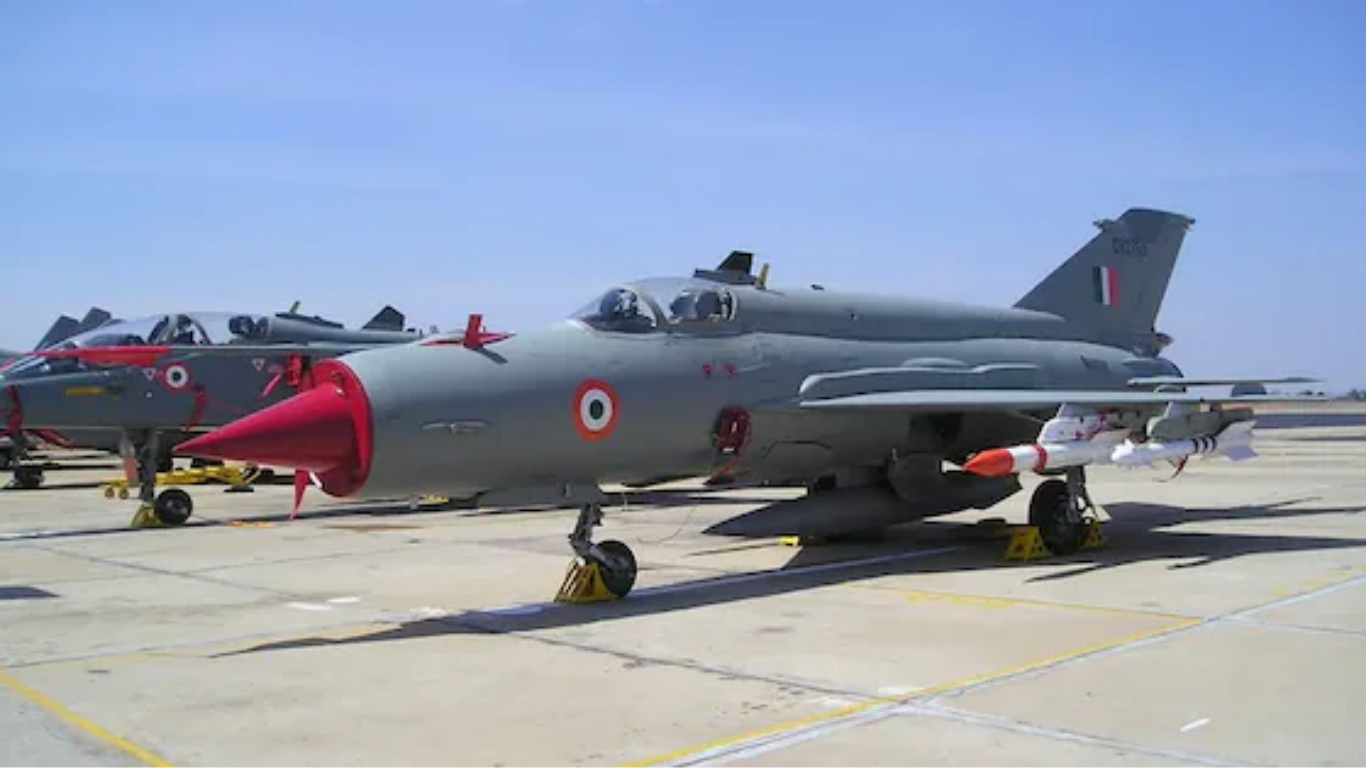
Historical Significance-
The MiG-21, designed by the Soviet Union in the 1950s, played a pivotal role in India’s air defense:1965 and 1971 Indo-Pak Wars: The MiG-21 was instrumental, notably bombing the Governor’s House in Dhaka during the 1971 Bangladesh Liberation War, altering the course of the conflict.
Kargil War (1999): Conducted ground attack missions.
Balakot Airstrike Aftermath (2019): Wing Commander (now Group Captain) Abhinandan Varthaman, flying a MiG-21 Bison, shot down a US-made Pakistani F-16 using an R-73 missile, a historic feat as it was the first recorded instance of a 1950s-designed aircraft defeating a fourth-generation fighter.
The MiG-21 served across four generations of enemy aircraft, earning a unique place in aviation history. However, with over 400 accidents and the loss of more than 200 pilots, it earned the moniker "Flying Coffin" due to safety concerns.
-1965 and 1971 Indo-Pak Wars: The MiG-21 was instrumental, notably bombing the Governor’s House in Dhaka during the 1971 Bangladesh Liberation War, altering the course of the conflict.Also Read: Davangere Clash: Stone-Pelting Over 'I Love Mohammed' Flex... 'I Love Mahadev' Protest Gains Momentum!
Reasons for Retirement: Originally designed for a 20-25 year lifespan, the MiG-21 was slated for retirement in the 1990s. However, delays in developing replacements like the indigenous Tejas and Rafale acquisitions extended its service until 2025. The retirement of the last Chandigarh-based squadron (16-18 aircraft) reduces the IAF’s fighter squadrons from 42 to 29, highlighting the urgency to bolster the fleet with modern aircraft like Sukhoi, Rafale, and Tejas MK1A.
The MiG-21’s retirement marks the end of a significant chapter in Indian military aviation. Despite its combat successes, its safety record was a concern. The IAF is now focusing on modernizing with advanced fighters to maintain air superiority. The Tejas MK1A will primarily replace the MiG-21, ensuring India’s defense capabilities evolve with contemporary technology.
-The Tejas MK1A, an indigenously developed variant, will replace the MiG-21.
The Indian Air Force (IAF) bid farewell to its iconic MiG-21 Bison fighter jets, marking the end of 62 years of service, on September 26, 2025, at a ceremonial event held at the Chandigarh Air Base. The retirement ceremony was attended by Defence Minister Rajnath Singh, Air Chief Marshal AP Singh, and several retired IAF veterans. The MiG-21, India’s first supersonic fighter, was inducted in 1963, with over 700 units imported from Russia and many manufactured locally by Hindustan Aeronautics Limited (HAL).