


Three years ago, Kantara achieved immense success across the country. The film created a sensation at the box office, marking a phenomenal victory. At the time, there was no discussion about a sequel. However, within a few days, Rishab Shetty announced the making of a prequel to Kantara. When he revealed that the story would be set in the 4th-5th century CE, it sparked curiosity about how the film would unfold. Now, that curiosity has been answered with the release of Kantara: Chapter 1.
The original Kantara showcased the charm of coastal Karnataka, its divine worship traditions, and the local way of life in a contemporary setting, which deeply resonated with audiences. However, Kantara: Chapter 1 takes viewers 1500 years back to the Kadamba dynasty’s era, presenting a magical world crafted by Rishab Shetty.
What is the storyline of Kantara: Chapter 1?
Kantara: Chapter 1 revolves around the conflict between the Bangra royal family and the people of Ishwara Hoodota. Rishab Shetty plays Berme, a young warrior leader from Ishwara Hoodota. Jayaram (as Rajasekhar) and Gulshan Devaiah (as Kulasekhar) portray the kings of the Bangra dynasty. The film explores the role of the divine in their battle and the connection between the deity and Hoodota, brought to life with Rishab Shetty’s exceptional filmmaking.Aventura Outfitters Men's Regular Fit T-Shirt (Pack of 4)
Once Again, Rishab’s ‘One Man Show’
Rishab Shetty, who won a National Award for his performance in Kantara, once again showcases his acting prowess in this film. Alongside his acting, he shines in action sequences and earns full marks for his stellar performance in the climax. Rukmini Vasanth, in the role of Kanakavati, will leave you astonished. If her previous roles carried one weight, her portrayal of Kanakavati carries another. More was expected from Gulshan Devaiah’s performance as Kulasekhar. Jayaram delivers a weighty performance. Other actors like Prakash Tumminadu, Rakesh Poojari, and Naveen Padil attempt to bring humor.
Mixed Response to Ajaneesh’s Music
Ajaneesh Loknath received widespread acclaim for the music of Kantara, raising high expectations for Kantara: Chapter 1. Fans anticipated something new this time, but the film reuses the tune of Kantara’s “Karma” song with different lyrics, and “Varaha Roopam” has also been recycled, which feels disappointing. The other two songs fail to capture attention. However, Ajaneesh continues his magic with the background score.Who is Karibasappa, really? Darshan's 'Kariya' movie gives the answer... He's a big bodybuilder!
Rishab’s Focus on Grand Filmmaking
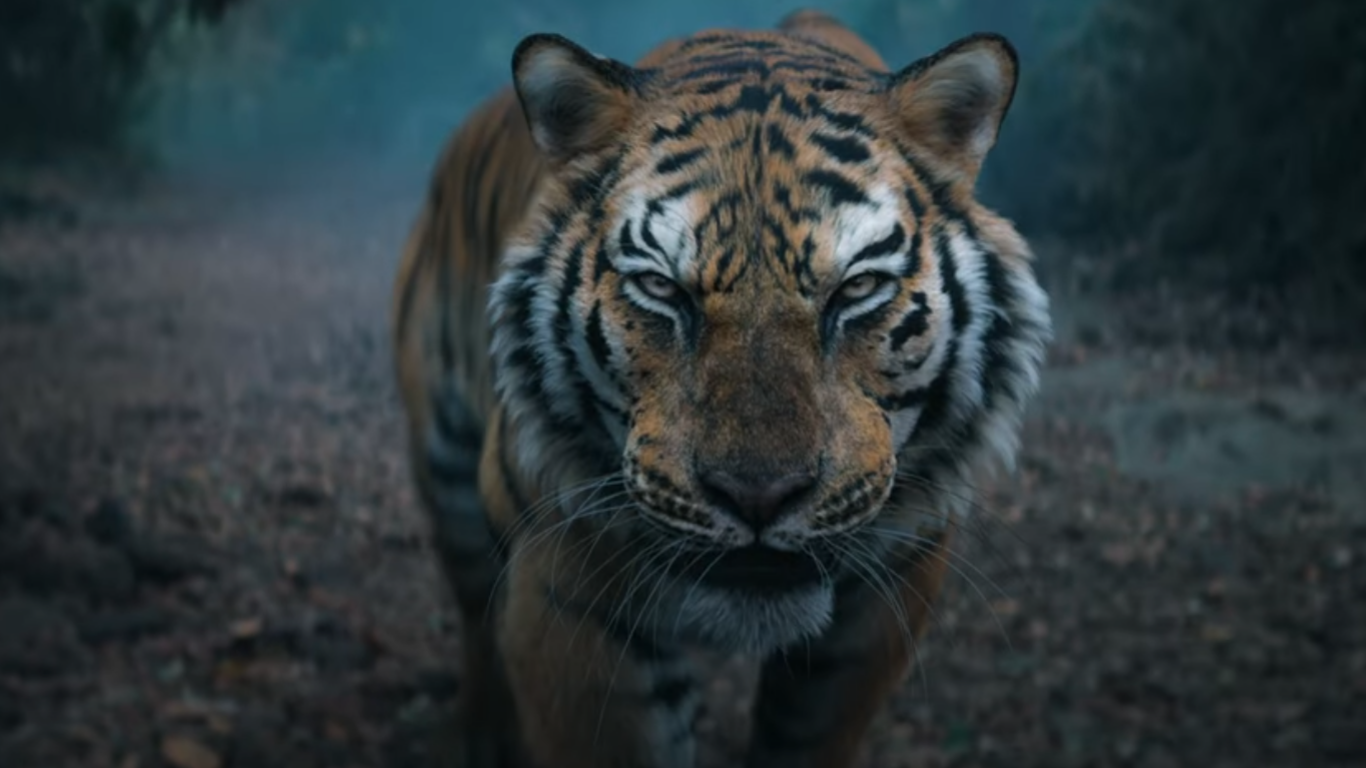
The first Kantara was made with simple production, spending only what was necessary for the story. In contrast, this prequel emphasizes lavish filmmaking. An entire village has been created, with sets like temples and palace courts grabbing attention. The world of Ishwara Hoodota, set within a forest, feels like pure magic. The VFX enhances the film’s grandeur, with the VFX team delivering meticulous work. Scenes featuring tigers, wild boars, and forest landscapes are crafted so well that they don’t feel like VFX. Cinematographer Arvind Kashyap, art director Dharani, and production designer Vinesh Banglan have been a strong backbone for Rishab. Arvind Kashyap’s camera captures Kantara: Chapter 1 beautifully, excelling in the play of light and shadow. The art direction elevates the film to another level. Scenes like a chariot racing through the village, a horse galloping on a road, and the Brahmakalasha sequence are of top-notch quality.
Comparing Kantara and Kantara: Chapter 1 is natural for audiences. The divine invocation of Shiva in the climax of the first film added immense weight to it. Such moments appear in several places in this prequel. The first half focuses on story expansion and character introductions, ending with an action sequence. The interval scene is thrilling, but the second half prioritizes action with intense fervor. It also introduces many of the coastal deities. The climax features another ferocious action sequence and twists crafted by Rishab. However, if as much attention had been given to the screenplay as to the filmmaking, the film could have been even better. This grand prequel had the potential to emotionally engage audiences as much as the first Kantara.