


The Income Tax Department monitors savings accounts to track financial activities. Various transactions, such as cash deposits and property dealings, occur through savings accounts. Here’s a detailed look at scenarios that may raise suspicion with the Income Tax (IT) Department. Redraft this to English. and give me ash tags and search tags after camas.Bata Women’s Stylish Ballerina Flats – Trendy, Comfortable
Notices from the IT Department are not limited to the wealthy; even individuals with average incomes may receive them. Unusual financial transactions can attract the department’s attention. For instance, if an individual’s transactions exceed their declared income, the IT Department takes notice. Significant discrepancies may lead to a notice demanding an explanation. The savings account is a primary channel for financial transactions. Electronic cash transactions leave a traceable trail of their source and destination. Statewide Heavy Rain Alert: IMD Issues Yellow Warning
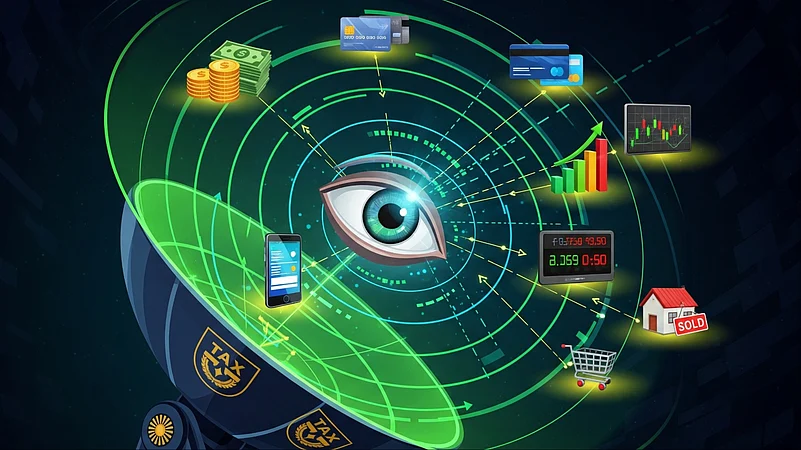
You must provide evidence for the source of funds in cash transactions. Below are key savings account transactions that the IT Department may scrutinize:
Large Cash Deposits in a Year
If your savings accounts collectively receive cash deposits exceeding ₹10 lakh in a year, banks report this to the IT Department. You may receive a notice asking for the source of the funds, requiring you to provide proof.Credit Card Bill Payments
If your credit card usage exceeds ₹10 lakh, banks and credit card companies report it to the IT Department. Additionally, cash payments exceeding ₹1 lakh for credit card bills are also flagged.
Large Cash Transactions
Significant cash transactions, such as large deposits or withdrawals, can raise suspicion. These may be considered red flags by the IT Department.Property Transactions
Purchases or sales of movable or immovable property valued above ₹30 lakh are reported to the IT Department by the sub-registrar’s office. These transactions may be scrutinized.
Sudden Activity in Dormant Accounts
If a long-dormant account suddenly becomes active with significant transactions, it may raise suspicion, potentially leading to a notice for clarification.Other Scenarios
High-value foreign currency transactions.
Discrepancies between the income declared in your ITR and the interest income reported by banks.
If these scenarios catch the IT Department’s attention, you may receive a notice seeking clarification. Therefore, maintaining proper documentation for all transactions is crucial.