


India, with its vast coastline and rich freshwater systems, provides a habitat for significant marine and river turtle species. These turtles play a vital role in maintaining ecological balance. Various species of turtles can be found foraging in waters, swimming in oceans, and navigating rivers across India.Cole Haan Men's Reagan Lace Up Sneaker
Olive Ridley Turtle :Commonly found along Odisha’s coastline, these turtles arrive in groups to lay eggs on the shore. With a small, greenish shell, they grow up to 70 cm in length. Fishing, plastic pollution, and coastal development pose threats to their survival.
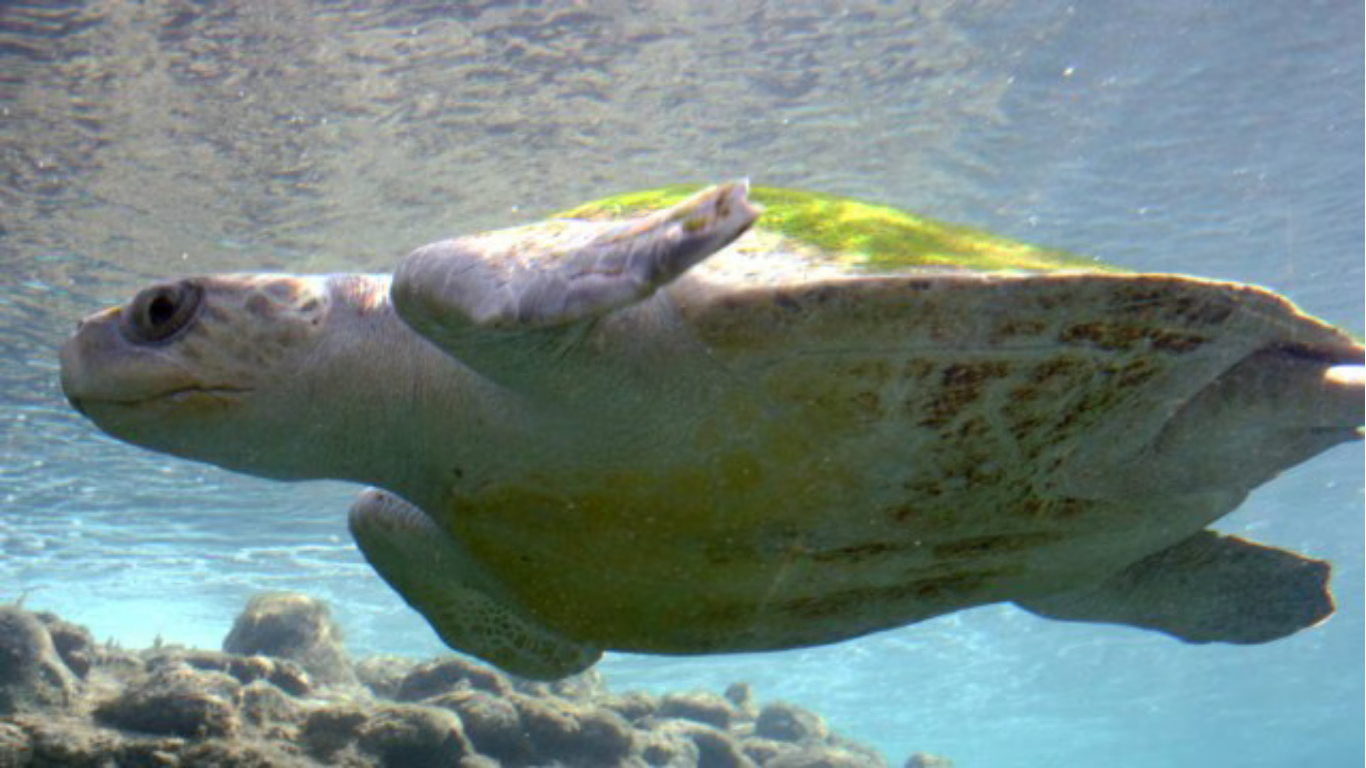
Green Sea Turtle: Easily identifiable by their greenish body, these turtles can grow up to 1.5 meters long. They feed on seagrass, helping to keep marine ecosystems healthy. However, illegal egg collection and habitat loss endanger their existence.
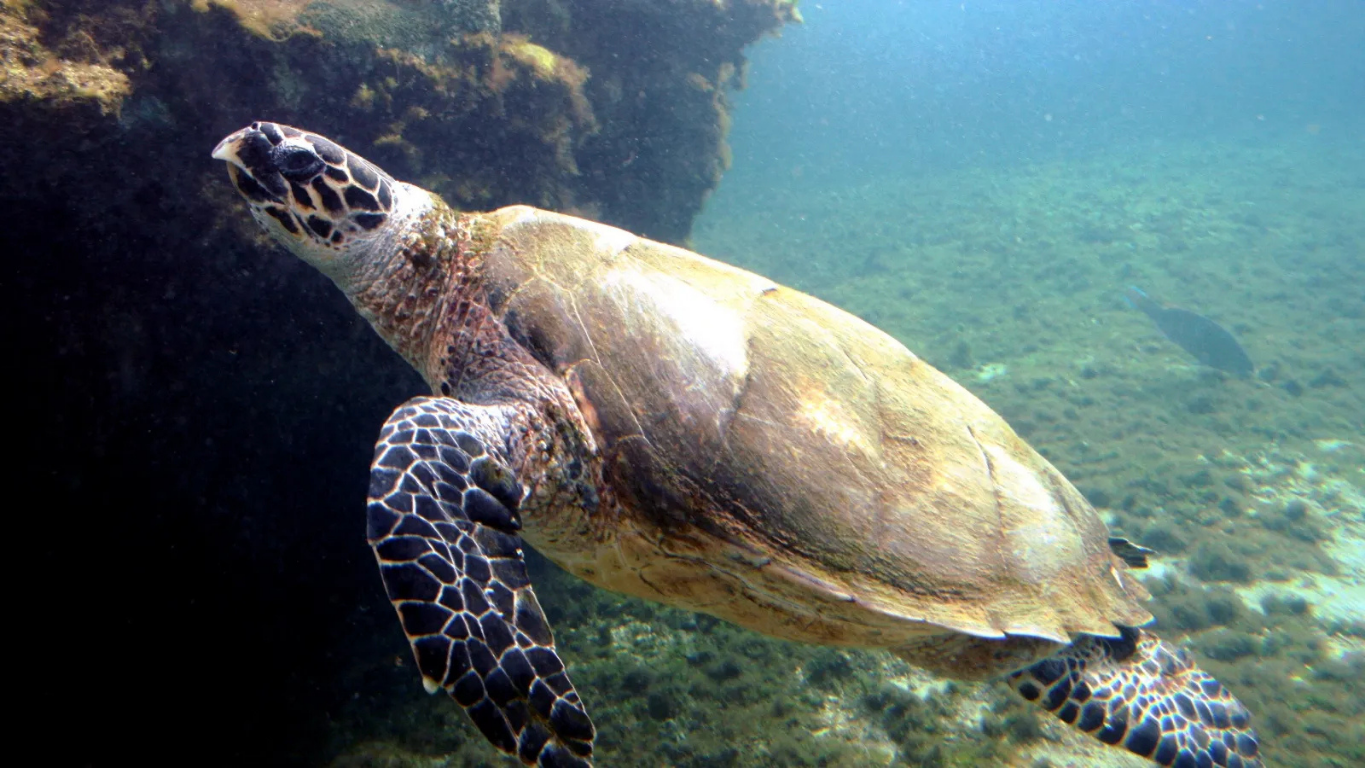
Hawksbill Turtle: With beautiful shells and distinctive beaks, Hawksbill turtles are found in the Andaman, Nicobar, and Lakshadweep Islands. They feed on sponges in coral reefs, regulating reef growth. Illegal hunting has historically been a major threat.
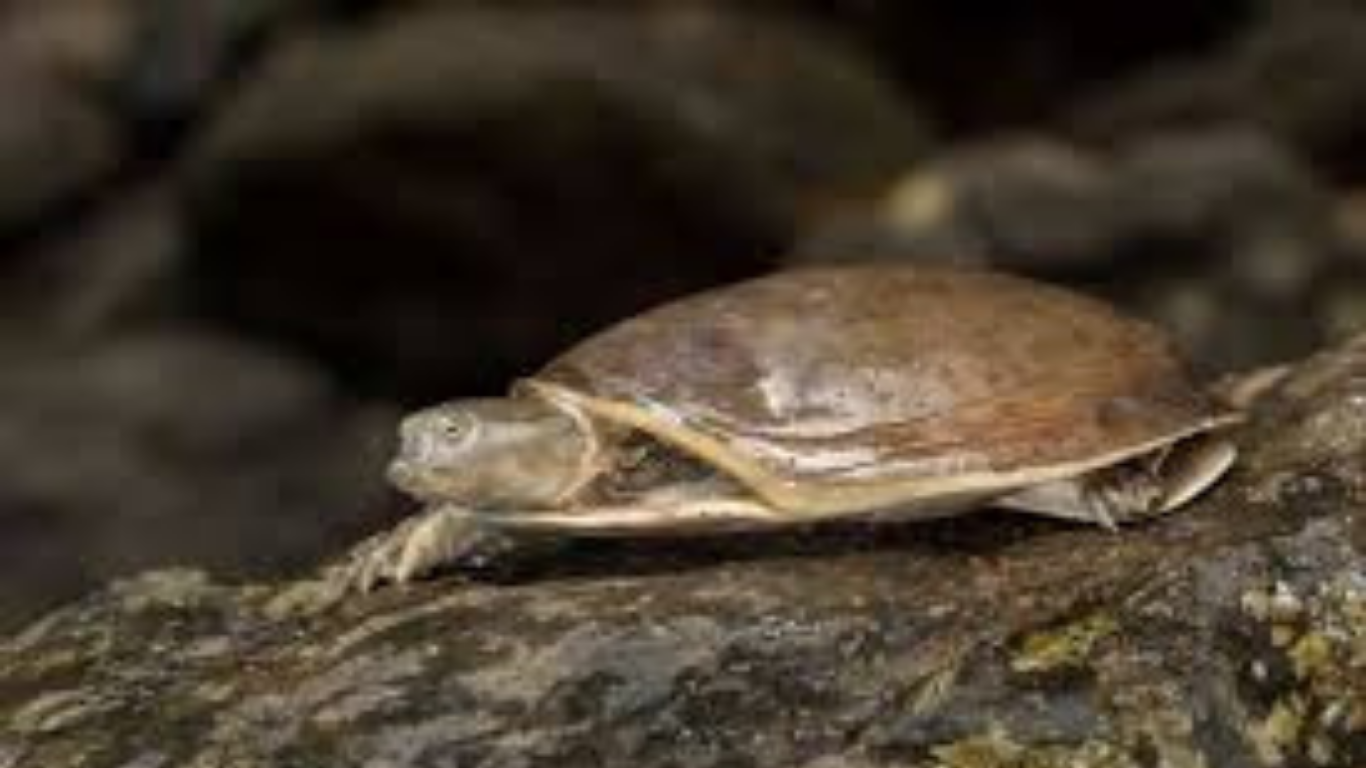
Indian Flapshell Turtle: Found in rivers and ponds, these turtles can survive in burrows during dormant periods. While not currently endangered, they face habitat loss due to wetlands degradation and pollution.
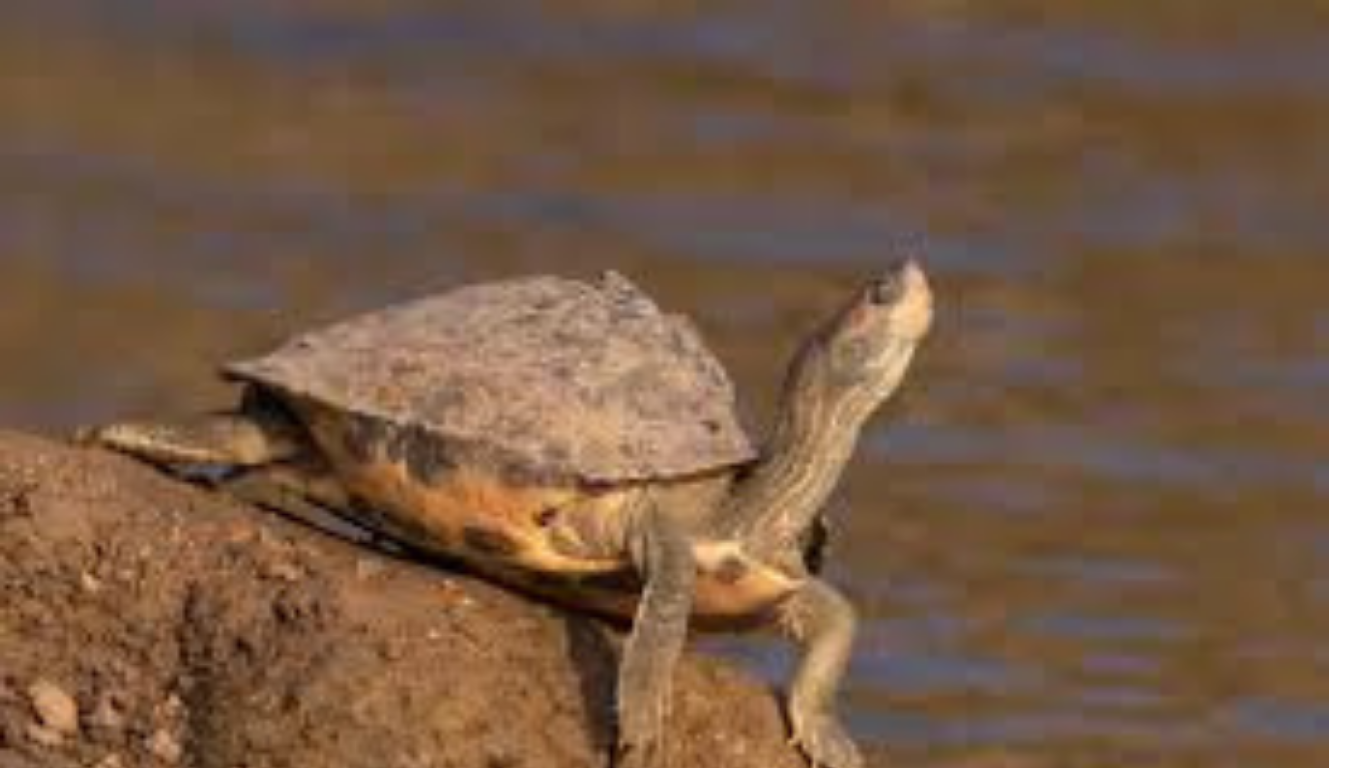
Indian Roofed Turtle and Tent Turtle: Roofed turtles bask on riverbanks, logs, or rocks. Tent turtles, excellent swimmers, feed on aquatic plants and are primarily found in the rivers of North and Central India.2026 is Approaching... Visit These 25 Places for an Unforgettable Holiday! Here Are the Best Destinations
Leatherback Turtle: The largest and longest among sea turtles, Leatherback turtles can grow up to 2.5 meters and weigh up to 700 kilograms. They are threatened by marine pollution, fishing, and beach destruction.
These diverse turtles found in India are crucial for the health of our environment, seas, and rivers. Protecting them is our duty.