


The Asian Arowana reigns supreme on the list of the world's priciest aquarium fish. According to Quora users, it's unanimously selected as the most expensive. Here's detailed info on this rare creature and a few other high-value fish.
A single red Arowana can cost up to USD 400,000 (approximately ₹3,51,29,600). As per one Quora user, "The red Arowana is native to Malaysia and is considered one of the most protected variants under the Washington Convention. Its lineage is said to predate human history.
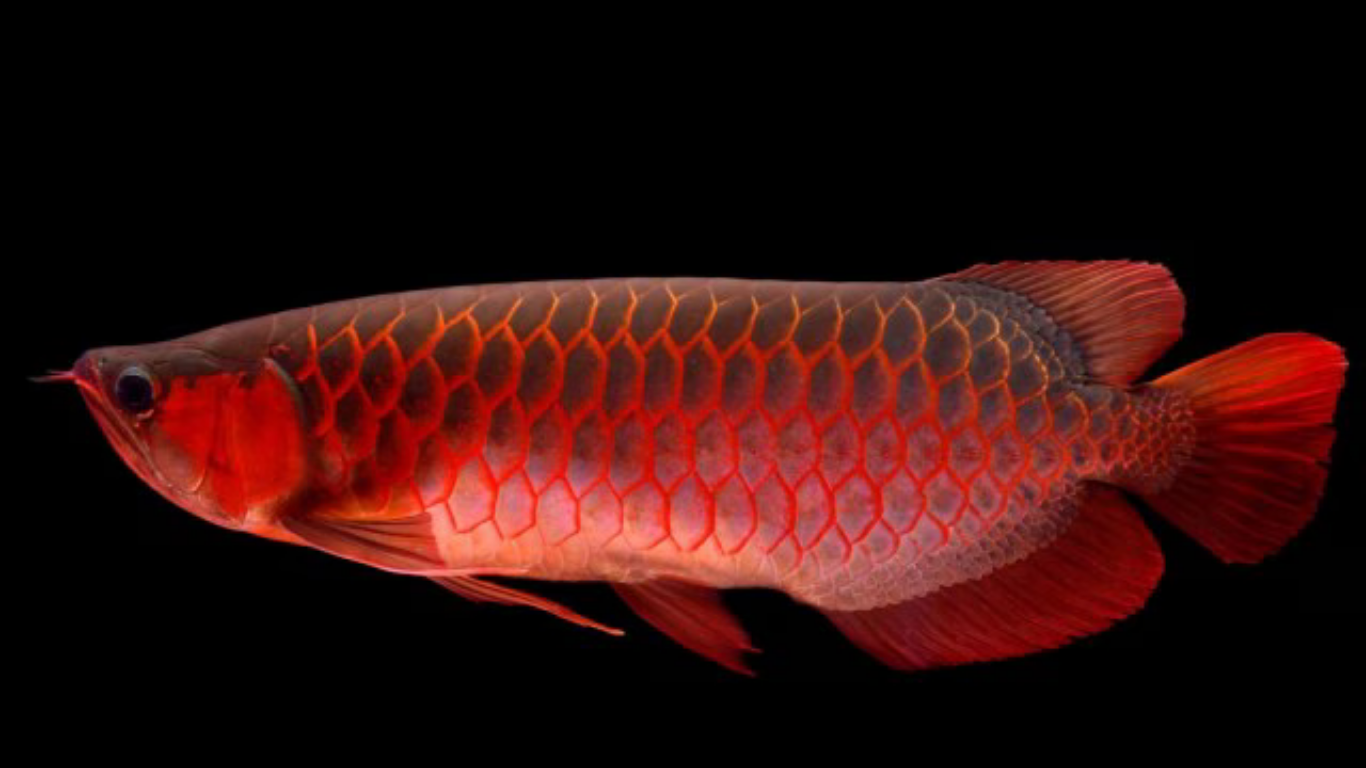
This fish has an extremely low reproduction rate. Around 50 fish might produce only 2-5 offspring, especially in the rare red variants—this is quite common. With a lifespan of about 40 years and a reputation for bringing luck and prosperity, collectors are ready to pay any price for them." (Note: Recent 2025 updates confirm this price for premium red or platinum variants, though breeding challenges keep numbers low.)Titan Neo Splash Quartz Analog with Day-Date Black Dial Metallic Brown Stainless Steel Strap Watch for Men - NT1805QM05
Another user adds, "In America, the most expensive fish might be the Asian Arowana, Scleropages formosus. Possessing them illegally is prohibited in the USA. Adding legal fees makes the price even higher. If caught smuggling across borders, you could face jail time."
The list of expensive fish also features the Polka Dot Stingray. According to a Quora user sharing Google-sourced info, "The priciest Polka Dot Stingray can go for up to USD 100,000 (about ₹87,82,400)—equivalent to a luxury car!
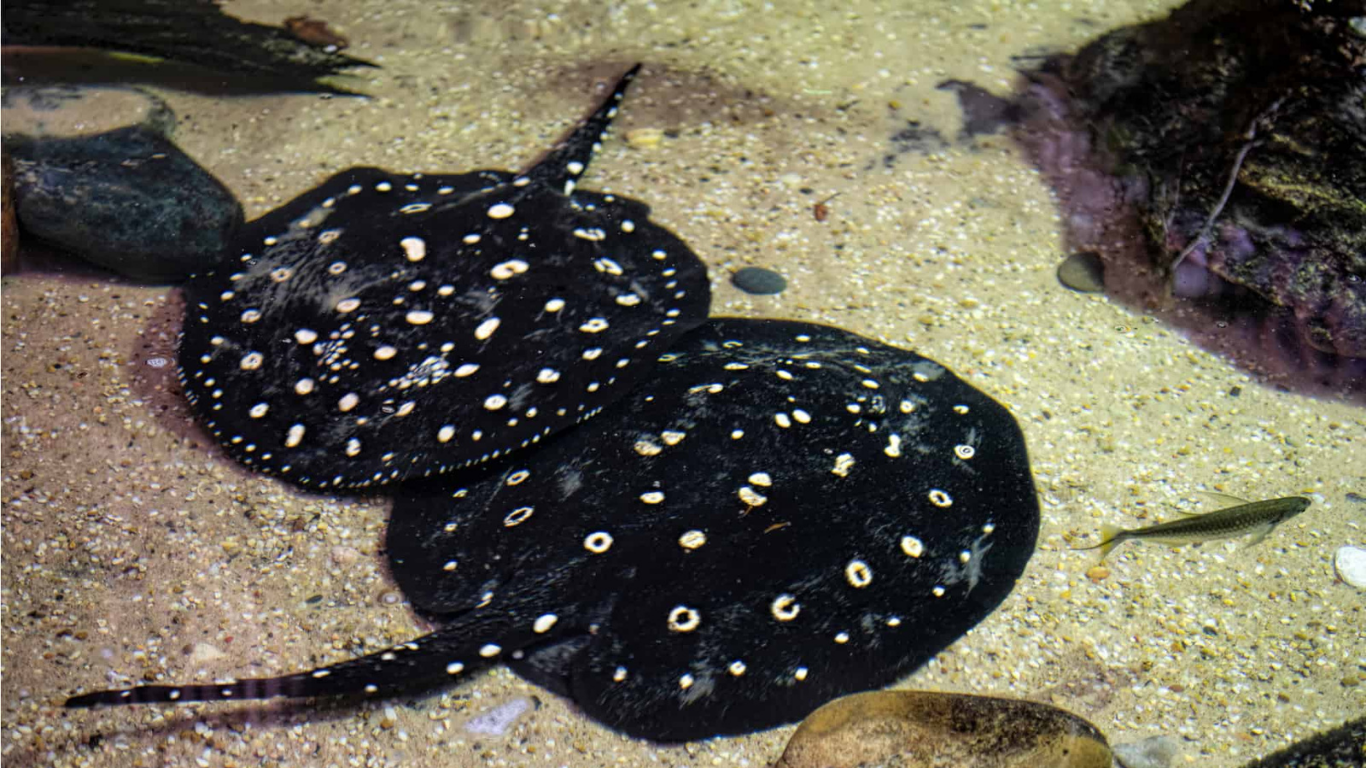
It's beautiful yet dangerous. The venom from its tail spine can cause severe harm. Moreover, as an endangered variant, exporting them from native Brazil is illegal. However, captive breeding in enclosures is permitted."Visa-Free Travel for Indians! 14 to 30 Days Stay in the Philippines — Only for Indian Citizens!
For aquarists and collectors, it's another elite choice. This polka fish is identified by its unique disc shape and white polka dots. Though not as flashy as some contemporaries, their bubbly traits are captivating. If you're planning to buy one, think about space— it needs a massive tank.
Other Expensive Fish:
Peppermint Angelfish: Priced at around USD 30,000 (about ₹26,34,720), the Peppermint Angelfish is one of the world's most sought-after saltwater fish. This petite yet alluring fish captivates aquarists and fish lovers with its gaze. Its red and white stripes resemble a candy cane.
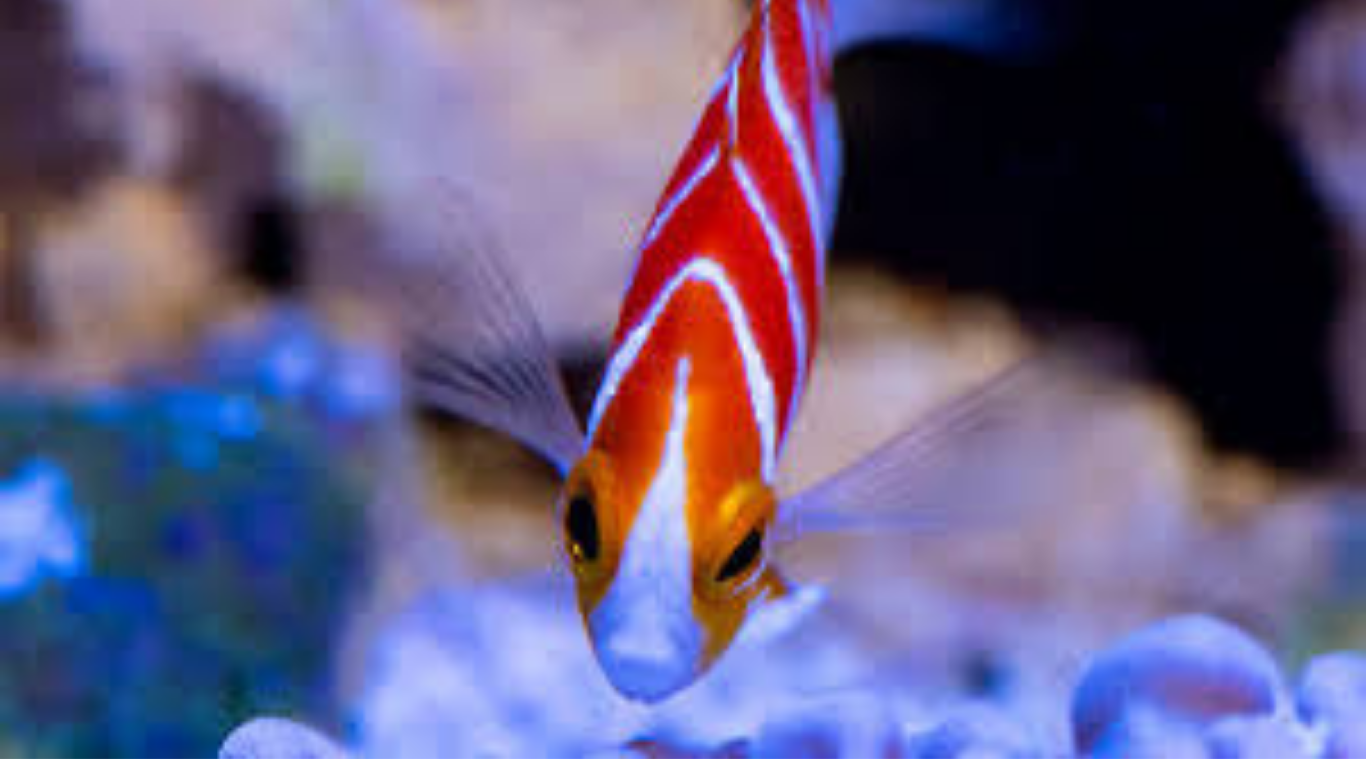
It's found in the waters around the Cook Islands (in the South Pacific). It's among the planet's most valuable fish because it inhabits reefs deeper than 100 meters, making it tough for divers to spot. (2025 prices hold steady due to ongoing rarity in captive breeding.)
Golden Basslet: This small, golden-hued fish from Atlantic reefs dazzles viewers with its shiny sheen. Due to its deep habitat, catching a Golden Basslet is a challenge for divers, making it highly demanded among aquarists.
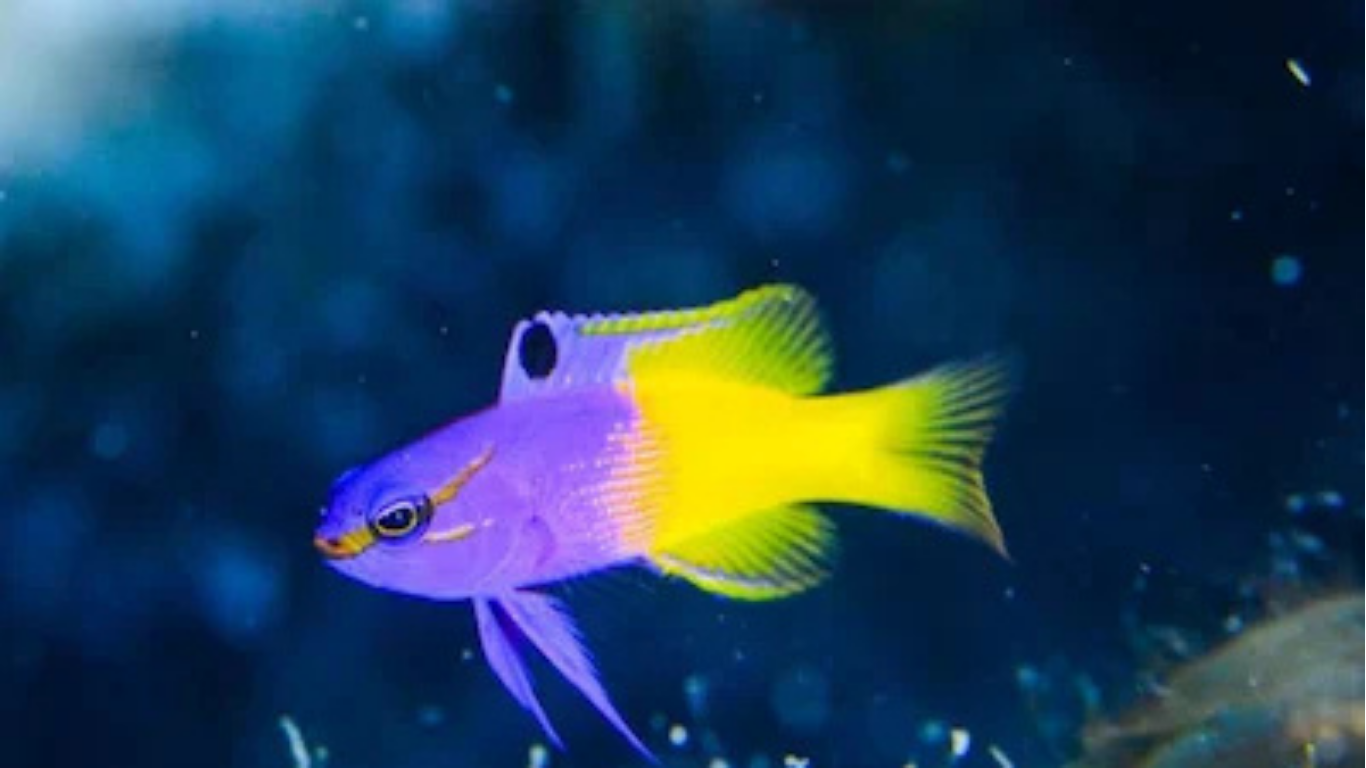
It costs about USD 8,000 (₹7,02,592). Big or small, their luster and rarity make them a diver's delight. For collectors, it's a lavish, unique addition to home aquariums.
Neptune Grouper: The Neptune Grouper, another pricey saltwater fish, ranges from USD 800 (about ₹70,259) to USD 6,000 (₹5,26,944). With a mix of orange, pink, and yellow stripes, this fish is native to the deep reefs of the Pacific and Indian Oceans.
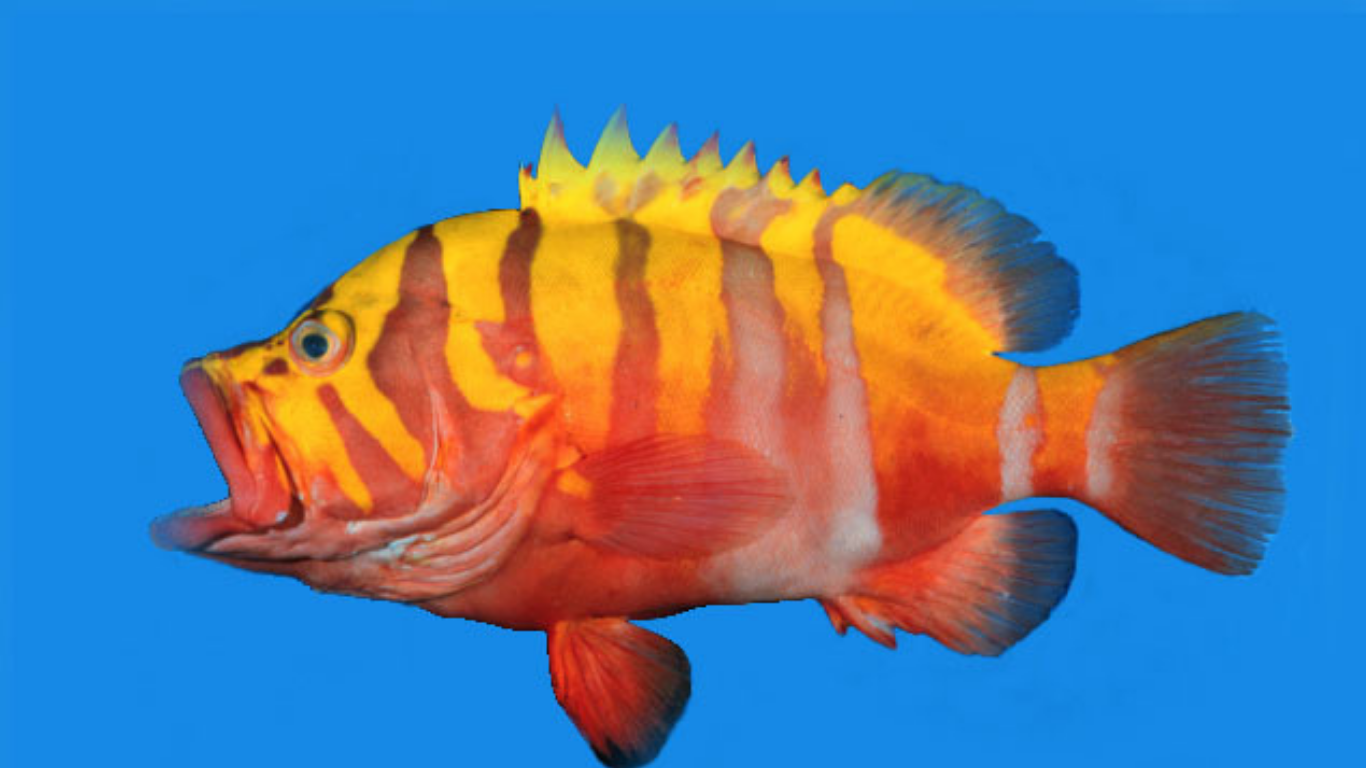
Like other expensive fish, the Neptune Grouper's habitat is inaccessible to most divers—often over 100 meters deep. That's why their price is steep. Interestingly, captured ones are usually juveniles spotted near the water's surface. (Prices in 2025 remain elevated due to low supply from deep-sea sourcing.)