


Located in Gifu Prefecture, Japan, Shirakawa-go has earned this prestigious recognition from Forbes and Unforgettable Travel Company, highlighting its timeless allure and cultural significance.
Globally, Shirakawa-go secured the 9th spot in the list of “World’s 50 Most Beautiful Villages.” It was declared a UNESCO World Heritage Site in 1995 for its breathtaking architecture and scenic valleys and rivers.Sapphero Mens Watches Quartz Movement Chronograph 30M Waterproof Steel Strap Fashion Business Sport Design Scratch Resistant Gifts for Men
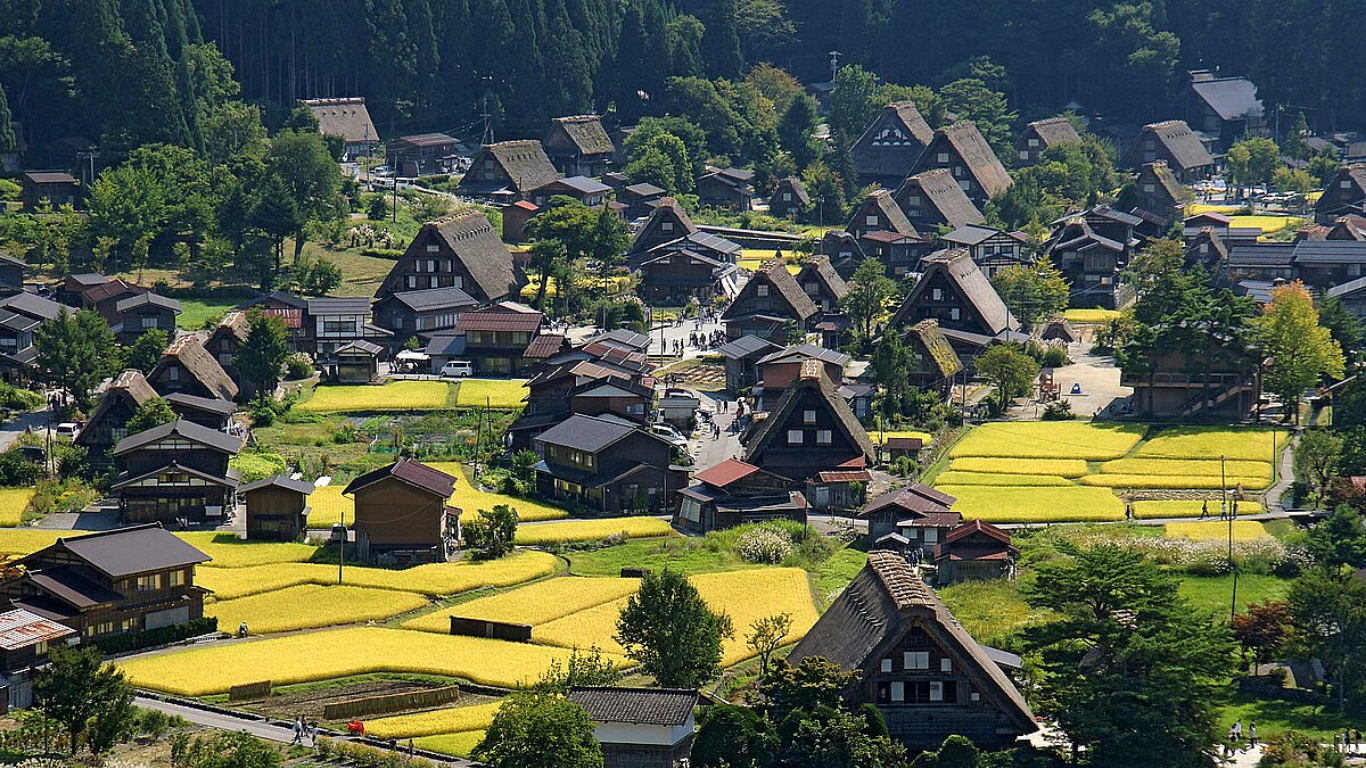
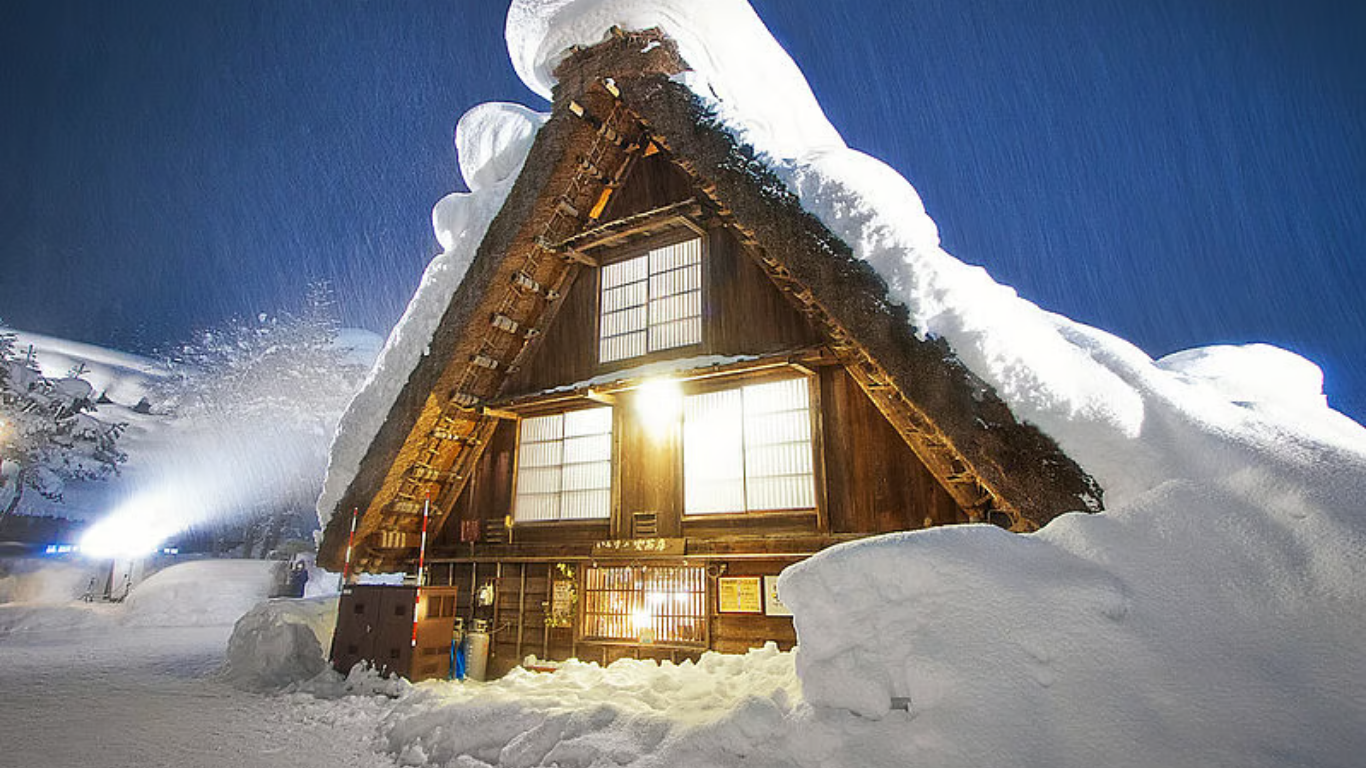
The village’s Gassho-zukuri houses feature steep thatched roofs resembling hands joined in prayer — a design that helps them withstand intense snowfall while remaining visually captivating.
Nestled among lush valleys and rivers, Shirakawa-go offers a serene blend of cultural heritage and natural beauty, making it a treasured destination.Planning a trip in November? Don't miss these beautiful places in India!
During winter, the village transforms into a fairytale wonderland. Snow-covered views turn the scenery into a magical painting. Forbes described it as:
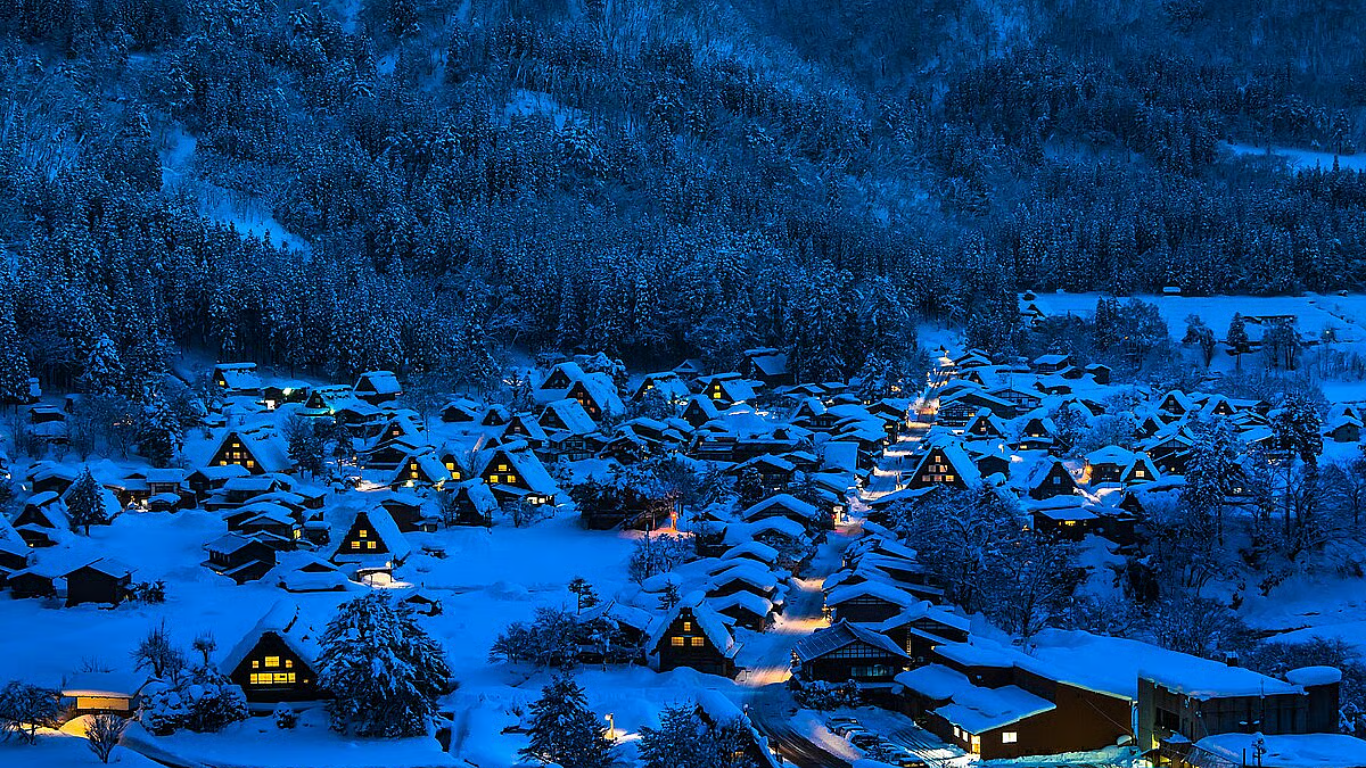
“When blanketed by alpine snow, Shirakawa-go resembles a fairytale. The steep thatched roofs rise from the forested landscape to withstand deep snow.”
“As evening falls, lanterns glow along silent streets, and the aroma of wood smoke drifts in the air — creating an atmosphere like falling stars gently touching the earth.”
These Gassho-zukuri homes are constructed without any nails, showcasing centuries-old Japanese carpentry. Their spacious lofts were historically used for silkworm cultivation.
Many houses today are preserved as museums or guesthouses, offering visitors a close view of traditional rural life and architecture.
With about 1,600 residents still living here, the village continues to preserve its heritage through the principle:
“Don’t sell, don’t rent, don’t destroy.”
Tourists are encouraged to respect private homes while exploring this living cultural treasure.
Other notable Asian villages in Forbes’ Top 50 include:
• Batad, Philippines (ancient rice terraces)
• Mrauk U, Myanmar (historic temples)
• Zhouzhuang, China (water town of canals and bridges)
• Ghandruk (Nepal), Cam Thanh (Vietnam), Ubud (Indonesia), Ban Rak Thai (Thailand), Arang Kel (Pakistan), Hahoe Folk Village (South Korea), Tatev (Armenia)
These destinations highlight Asia’s rich diversity in tradition, culture, and nature.