


The Chandrayaan-2 Orbiter, successfully operating in lunar orbit, has studied the unique geological and compositional characteristics of the Moon's South Pole region.Water on the Lunar Surface –
Major Discovery: The Imaging Infra-Red Spectrometer (IIRS) instrument on the orbiter has confirmed the presence of water molecules (hydroxyl and water molecules) on the lunar surface and subsurface.
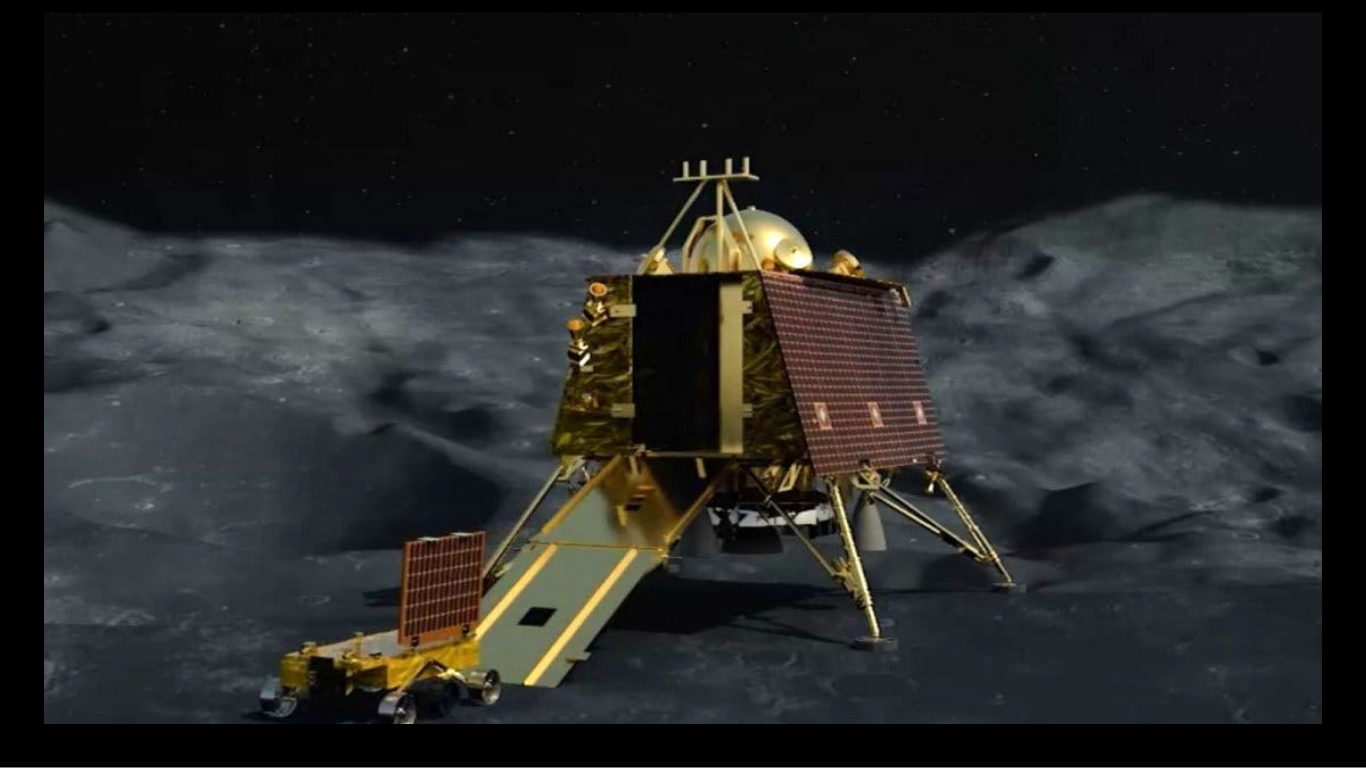
Key Finding: Significant amounts of water ice have been detected in the polar regions, especially in Permanently Shadowed Regions (PSRs). This is a critical resource for future long-term human missions.
Also Read; Taliban Issues Direct Warning to Pakistan: 'Do Not Test Our Patience'!
Detection of Sodium Element –
Discovery: Using the Chandra's Large Area Soft X-ray Spectrometer (CLASS) instrument on the orbiter, sodium has been mapped on the Moon for the first time. Detecting sodium in the lunar exosphere helps understand interactions between the Moon's atmosphere and surface.