


India is currently navigating a high-stakes political season that blends local governance battles with massive constitutional reforms. As the country marks the beginning of 2026, two major pillars are redefining the democratic landscape: the proposed ‘One Nation, One Election’ (ONOE) policy and the ongoing Special Intensive Revision (SIR) of electoral rolls.
While political parties engage in fierce debates over federalism and administrative efficiency, here is a status report on these game-changing developments.
1. One Nation, One Election (ONOE): The Constitutional Waiting Room
The ambitious ‘One Nation, One Election’ plan, which aims to synchronize Lok Sabha, State Assembly, and local body polls, is currently in its legislative and legal consultation phase.
Current Status: The Union Cabinet has approved the roadmap, but the bill requires at least five constitutional amendments and ratification by 50% of India's states.
The 2029 Goal: The government is working toward an "Appointed Date" in 2029 to fully implement simultaneous polls. For now, it remains a legislative goal rather than an operational reality, though it has already begun influencing how regional parties plan their long-term survival.
2. SIR 2.0: The Digital Cleanup of Democracy
The Special Intensive Revision (SIR) is currently in its most critical phase across 12 states and UTs. This isn't just a routine update; it is a "Special Summary Revision" designed to create a flawless digital database.
The Jan 19 Deadline: The Election Commission of India (ECI) has extended the deadline to January 19, 2026, for filing claims and objections in key states like West Bengal, Rajasthan, and Puducherry.
Innovation: This revision focuses on BLO-led house-to-house verification and the integration of the ECINet digital platform, ensuring that "ghost voters" are removed and millions of first-time Gen-Z voters are added before the 2026 Assembly polls. Canon EOS R100 24.1 MP Mirrorless Camera (Black) with RF-S18-45mm f/4.5-6.3 is STM Optical Zoom Lens | 4k Video
3. The 2026 Election Map: Active Battlegrounds
Even as the nation discusses "simultaneous polls," the reality on the ground is a packed calendar of staggered elections:
Election Type | Key Regions | Status / Significance |
Assembly Polls | West Bengal, Tamil Nadu, Kerala, Assam, Puducherry | High-stakes battles due in early 2026. These will test the strength of the INDIA bloc vs. the NDA. |
Local Body Polls | Mumbai (BMC) & Bengaluru (GBA) | Maharashtra: Results are trickling in today (Jan 16) for 29 corporations. Karnataka: The Supreme Court has set a strict June 30 deadline for the Greater Bengaluru Authority polls. |
Upper House | Rajya Sabha | 72 seats are up for election in 2026, which could shift the balance of power in the Parliament’s permanent house. |
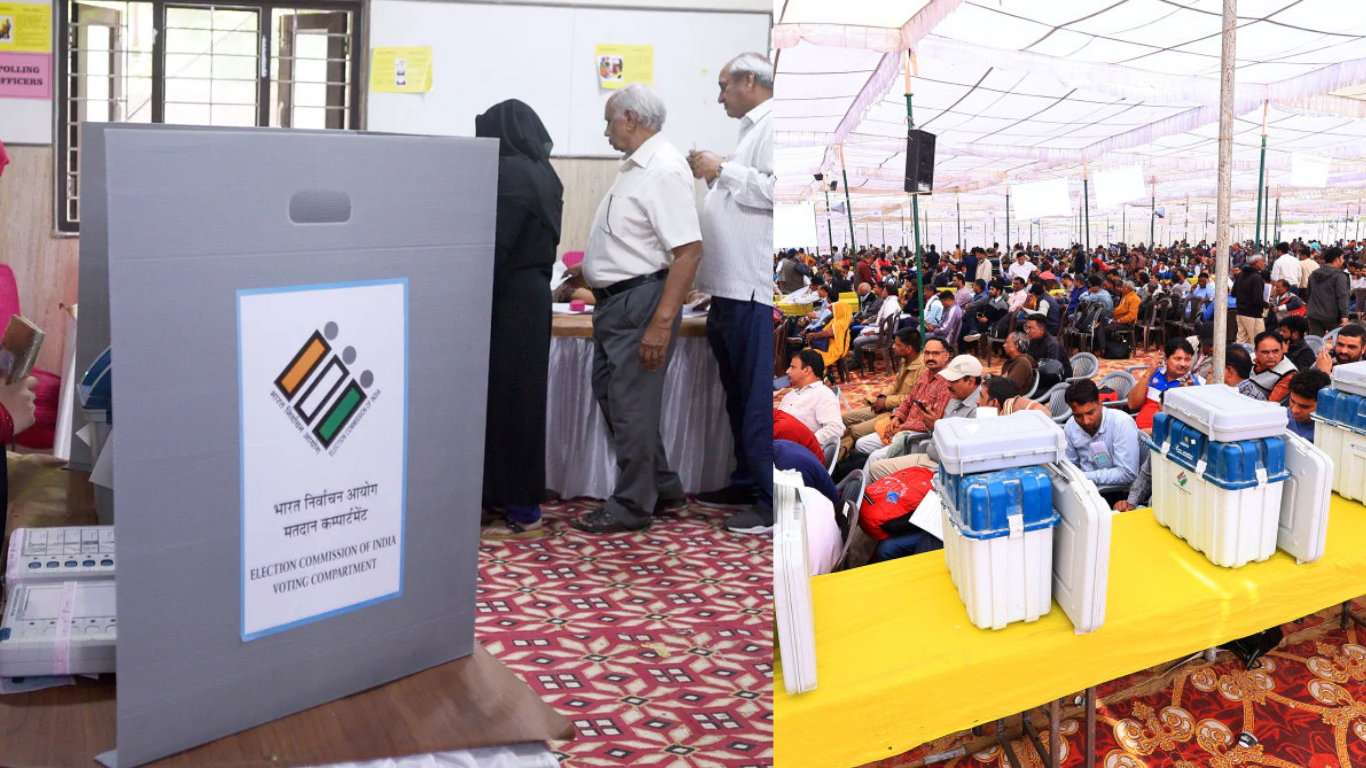
4. Impact Analysis: The Strategic Shift
Political analysts and thinkers are closely watching how these two developments ONOE and SIR are impacting the "management" of democracy:
Administrative Relief: If ONOE is implemented, the frequent imposition of the Model Code of Conduct (which often halts development work) would be reduced to once every five years.
Security & Logistics: SIR ensures that security forces are deployed based on accurate voter density, while the digital-first approach reduces manual errors in sensitive zones like West Bengal.
The "Local vs. National" Dilemma: Critics argue that ONOE might overshadow local issues with national narratives. Conversely, supporters believe it will force regional parties to align their developmental goals with national progress.
Conclusion
The dual momentum of legislative reform (ONOE) and grassroots data cleanup (SIR) indicates that India is moving toward a more technologically-driven and synchronized electoral future. As the January 19 deadline for voter rolls approaches, the focus remains on ensuring that every eligible citizen is counted in what promises to be a transformative year for Indian politics. Also Read: Beyond the Ballot: Why Every Single Vote is a Litmus Test for Indian Democracy!?