


Significant changes are underway in Karnataka's grassroots democracy, with the foundation of rural governance the Gram Panchayats facing key transitions.
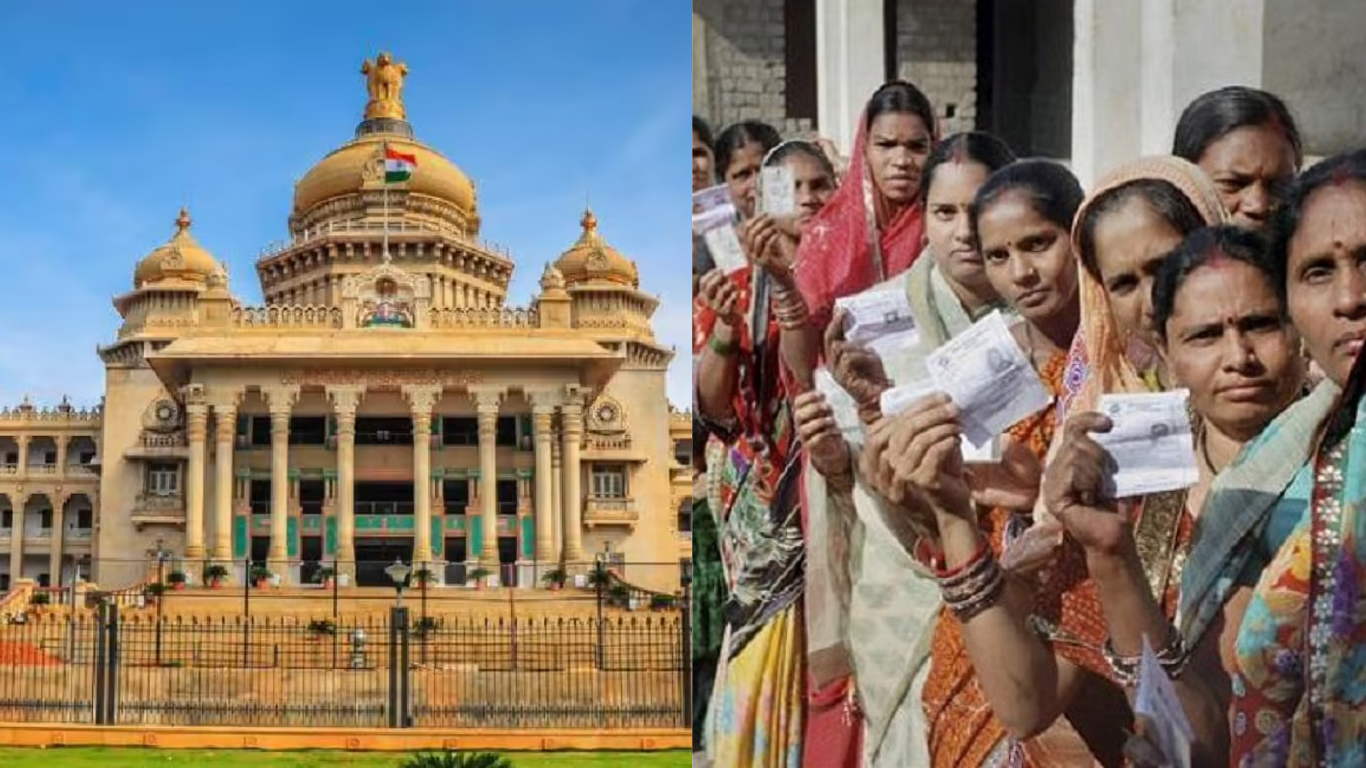
The five-year terms of elected representatives in most Gram Panchayats across the state are reaching their end.To prevent any administrative vacuum once the terms expire, the government is moving forward with appointing administrators.Assam Election 2026: NDA to Contest All 126 Seats; Major Statement by Dilip Saikia on Seat-Sharing
Typically, KAS officers or officials at the Tahsildar level will be assigned this responsibility. Until new elections are held and fresh representatives are elected, these administrators will handle the panchayat's day-to-day operations, implementation of development projects, and addressing public grievances.
Election Preparations & Directives to Deputy Commissioners:
Finalizing ward-wise voter lists through revisions.
Determining reservations for President, Vice-President, and member seats as per the roster system.
Identifying polling booths, including sensitive and hyper-sensitive ones, and implementing necessary security measures.
Why Ballot Papers Instead of EVMs?
Decentralization & Practicality: Gram Panchayat elections see a large number of candidates per ward, making EVM preparation complex and resource-intensive.Also Read: Kerala Election 2026: Will the Lotus Bloom in Kerala ? A New Era for BJP in the Communist Stronghold!
Trust & Transparency: Voters have a traditional preference for paper ballots, and the counting process offers greater visibility and clarity for all stakeholders.
Cost & Administrative Ease: Supplying and managing thousands of EVMs simultaneously for numerous panchayats is logistically challenging; ballot papers are simpler to administer.Also Read: Tamilnadu election 2026: TVK Ready to Wipe Tamil Tears: Actor Vijay Lashes Out at DMK and AIADMK
These party-neutral elections at the village level are crucial for rural development. The government faces a major challenge in ensuring development work continues smoothly under administrators and conducting peaceful, timely polls. Election dates are expected to be announced by the end of March, and political activities in villages have already begun to heat up.