


ಬೆಂಗಳೂರು ಕ್ರೌರ್ಯ: ಸಂಗಾತಿ ಮತ್ತು ಆಕೆಯ ಪೋಷಕರಿಗೆ ಬೆಂಕಿ ಹಚ್ಚಿದ ವ್ಯಕ್ತಿ
Mangalore with its rich literature and diversified culture has centuries of history with different facets and practices. Many dynasties ruled the state. Each dynasty and each societal layers contributing to the versatile lifestyle. Some of the rituals are very strange still practiced by the locals of the Mangalore. Mangalore or Tulu nadu has a wide range of vibrant festivities and practices. Mangalore is unique in many ways, especially with their heritage.
Agni Keli
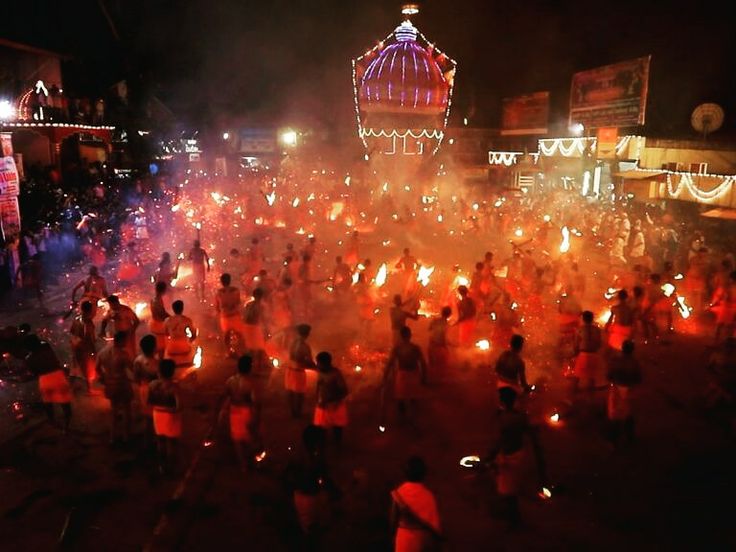
The term “Agni Keli” literally means, the fire fight. This tradition is practiced in Kateel, near Mangalore, held annually in Kateel Durga Parameshwari temple.
The ritual involves hundreds of bare chested men throwing burning fronds of palm at one another. Its 15 minutes fight to appease the deity, goddess Durga. The devotees are divided into two groups and throw the fire at each other. The ritual involves burn-risks. The injuries are treated on-site with Kunkumaarchane (holy vermillion water).
Bhoota Kola
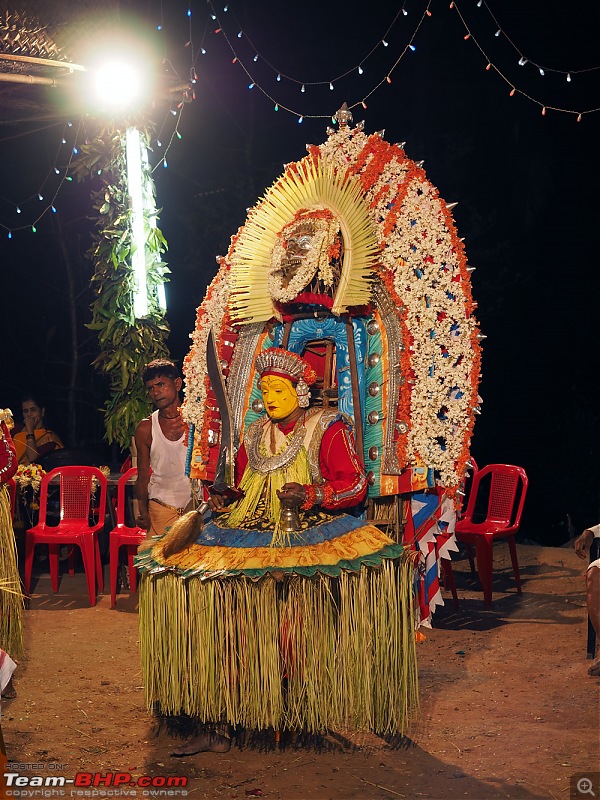
The term means worshipping the spirits and intense, colorful ritual practiced by Tulu speaking folks. The trained dancer (paatri) will act as a medium for a Bhoota or Daiva. He enters a trance-like state and communicates to the god with the problems people are facing and the god would solve all their problems. The vibrant colors of the dancer made by Palm leafs is a visual delight.
It’s believed the performer would foresee the calamities after spirit enters the performer.
Madey Snana
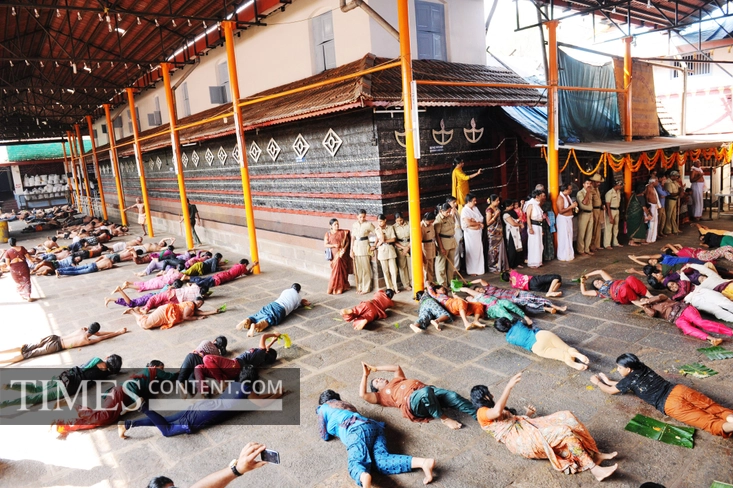
This ritual is practiced in Kukke Subrhmanya Temple, and controversial and has faced a ban many times. Despite public outcry, the practice continues with local communities. The ritual involves people from certain communities will roll overon the left over food eaten by upper caste on palm leaf. The belief is that it cures skin issues and other ailments.
Nagaradane
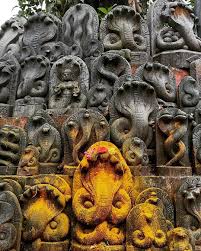
The term means worshipping of snakes and all kind of snakes are densely populated in Mangalore. Naaga bana are built for snakes and it’s strictly forbidden to kill snakes. If cobra is killed the complex rituals must be performed to remove the curse.
Nagamandala is an eloberate and colorful drama performed overnight. It also features Naagamaanike, the female dancer dressed in snake like attire.
Koragajja Seve
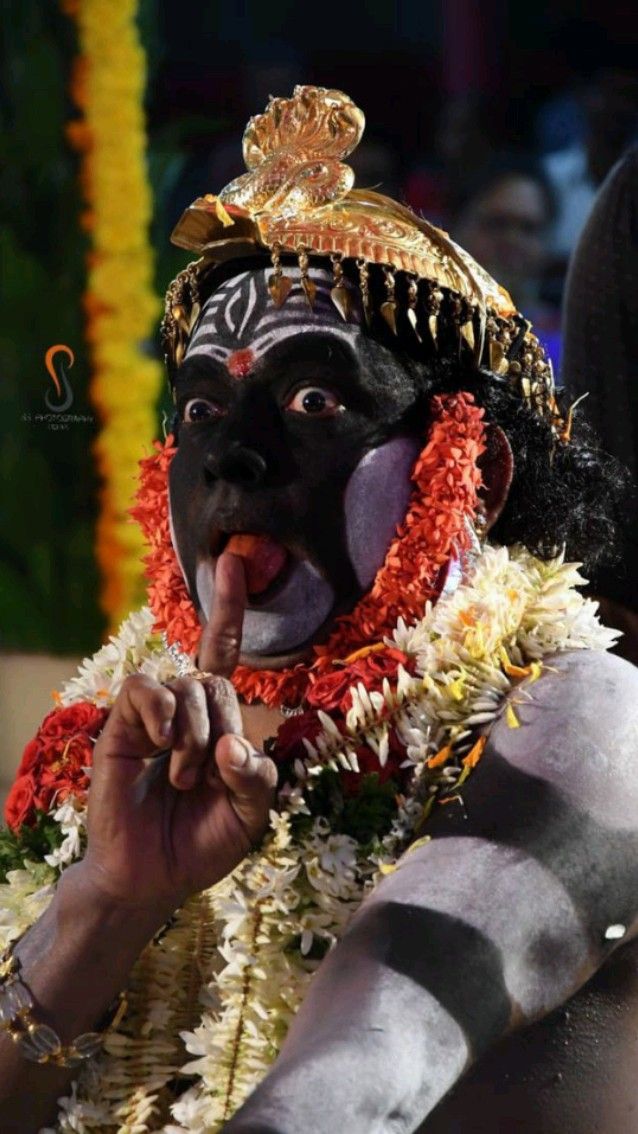
Koragajja seve is worshipping the deity with alcohol. Devotees who worship Koragajja offer palm Wine and other alcoholic beverages to the deity. The alcohol used for worshipping Koragajja will be offered as pasadam to the followers