


Shimla(Himachal Pradesh): Rajesh Chauhan, a 43-year-old apple orchard owner from near Shimla, India, achieved type 2 diabetes remission in his early 40s after a diagnosis that left him with a HbA1c of 9.5% (indicating severe, uncontrolled blood sugar), overweight status, and debilitating foot pain from neuropathy. Triggered by post-Covid stress, poor diet, and inactivity following his father's death, Chauhan's condition was reversed through a combination of modern medications for tight blood sugar control and targeted lifestyle tweaks, as part of the DiaRem-1 study led by Dr. Rama Walia at PGIMER, Chandigarh.
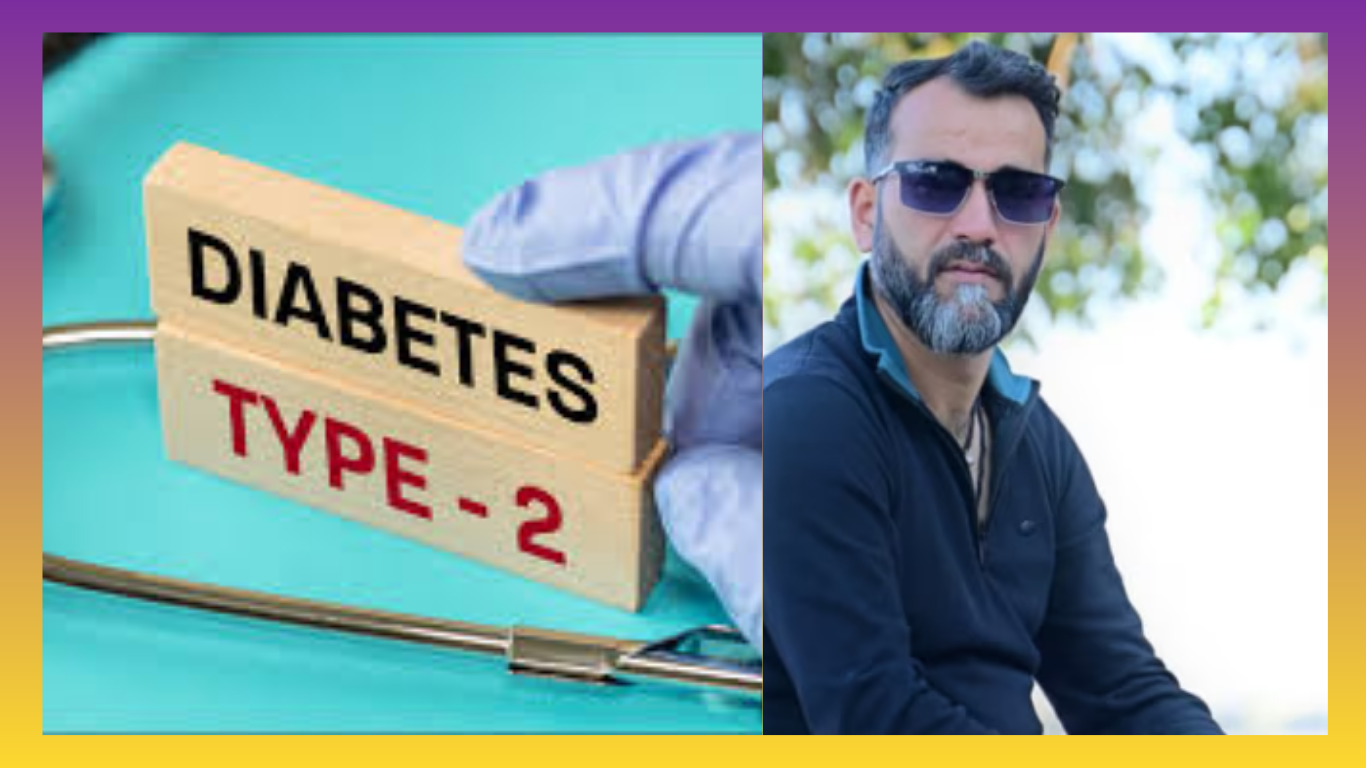
Published in the Indian Journal of Endocrinology and Metabolism, the study showed that 31% of participants achieved remission (HbA1c below 6.5% without meds for at least 3 months). Chauhan's HbA1c dropped to 5.7%, he maintained a stable 65 kg weight, and stopped all medications over a year ago. MRI scans revealed a 51% reduction in liver fat and 48% in pancreatic fat, key drivers of insulin resistance.Also Read: Emirates Bans Use of Power Banks Onboard Flights: What It Means for Passengers
The 3 Key Tweaks That Made It Possible
Chauhan's transformation wasn't drastic surgery or extreme fasting but simple, sustainable adjustments integrated into his daily life. Here's what worked for him:
1. Fixed Sleep Schedule & Hydration
Shifted from late nights and irregular routines to waking at 6 AM daily, prioritizing 7-8 hours of quality sleep, and drinking 1-2 liters of water first thing in the morning.
Impact: Improved energy levels, reduced stress eating, and supported metabolic recovery—poor sleep exacerbates insulin resistance, while hydration aids detoxification and blood sugar stability.PALAY® Straw Hat Sun Hats for Women,Wide Brim Cap Beach Hat for Women Stylish UV Protection Cap,Summer Packable Travel Sun Visor Hat - UPF 50+
2. Incorporated Daily Walking:
Started with short walks (a few kilometers) on his hilly orchard terrain, building up to consistent morning/evening sessions that doubled as strength-building exercise. No gym needed—just leveraging his environment.
-Boosted stamina, muscle mass, and fat burning; walking post-meals (even 15-30 minutes) lowers blood sugar spikes by 20-30%, contributing to overall weight loss and reduced internal fat stores.
3. Overhauled Diet with Modern Meds:
Adopted a balanced, portion-controlled diet focusing on whole foods (veggies, lean proteins, limited carbs/sugars) while using advanced glucose-lowering drugs initially for precise control. Meds were tapered off as remission set in.
-Dropped excess weight, normalized insulin sensitivity; the combo led to dramatic fat reduction in liver/pancreas, allowing drug-free remission without yo-yo dieting.
Why It Worked & Broader Lessons:
These tweaks align with evidence from trials like DiRECT and DIRECT-T2D, emphasizing early intervention (within 6 years of diagnosis) for best results—Chauhan acted promptly. Remission isn't a "cure" (relapse risk exists if habits slip), but it slashes complication risks like heart disease or amputations. He now reports no foot pain, renewed facial glow, and positivity, weaving effortlessly through his orchards.
For personalized advice, consult an endocrinologist—remission rates soar with professional guidance.