


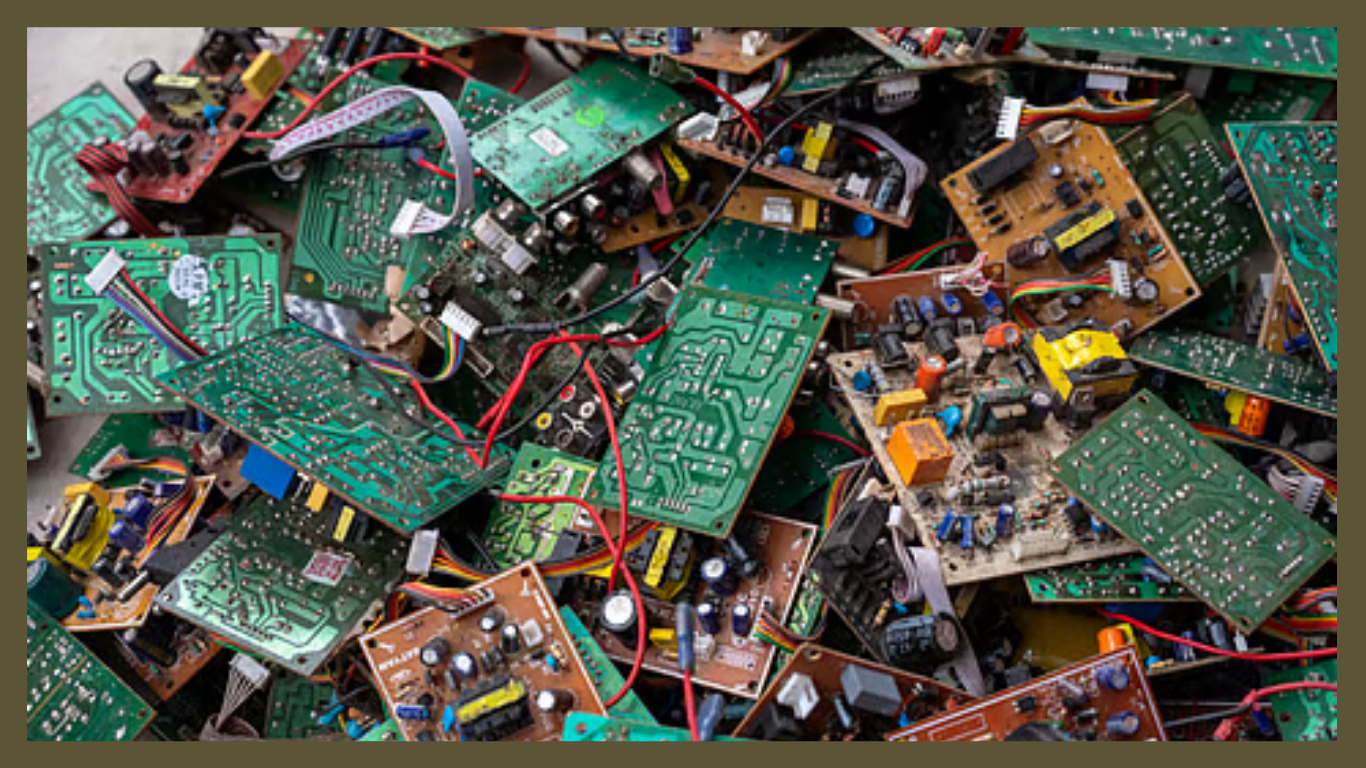
As technology evolves at a breakneck pace, the world faces a mounting challenge that threatens both human health and environmental stability: Electronic Waste (E-Waste). What was once hailed as a scientific boon is rapidly turning into a global curse due to improper disposal and a lack of public awareness.
What Exactly is E-Waste?
E-waste refers to any electrical or electronic devices that are discarded, non-functional, or obsolete. This includes everyday items such as:
Personal Gadgets: Mobile phones, laptops, and batteries.
Home Appliances: Refrigerators, washing machines, and televisions.
Peripherals: Chargers, cables, and computer hardware.
The Toxic Toll: Impact on Health and Environment
The disposal of e-waste is not just a logistical issue; it is a serious health hazard. Electronic components contain toxic heavy metals, including Lead, Mercury, Cadmium, and Arsenic.
When these items are burnt in open pits or dumped in landfills:
Toxic Fumes: Burning e-waste releases carcinogenic gases into the atmosphere.
Water Contamination: Hazardous chemicals leach into the soil, polluting groundwater and local water bodies.
Health Risks: Exposure to these toxins can lead to neurological damage, kidney failure, and respiratory issues. Amazon Brand - Myx Women's Embroidered Kurta Pant Set with Mesh Dupatta | Viscose,Rayon (Available in Plus Sizes)
The Solution: Moving Towards a Responsible Future
To combat this crisis, environmental experts and the government advocate for a shift in social responsibility. The focus is on the '3R' Model and formal policy compliance:
Reduce, Reuse, Recycle: Consumers are encouraged to extend the life of their gadgets or donate functional items instead of upgrading frequently.
Extended Producer Responsibility (EPR): Under government regulations, manufacturers are legally obligated to facilitate the "take-back" of old appliances from consumers for safe disposal.
Say No to Informal Scrapping: Avoid selling e-waste to local scrap dealers (kabadiwalas) who often use unscientific methods to extract metals. Instead, hand over waste to Certified E-waste Recyclers.
What You Can Do Today
Segregate your waste: Never mix batteries or electronics with regular household garbage.
Use Collection Bins: Utilize dedicated E-waste collection bins installed in tech parks and public spaces.
Clear the Clutter: Do not hoard dead electronics at home; they are more dangerous sitting in a drawer than being recycled professionally.
Final Word: Technology should remain a blessing for humanity. By adopting scientific disposal methods and supporting a circular economy, we can ensure that our digital progress does not come at the cost of our planet’s health. Also Read: Massive Voter Roll Cleanup in Uttar Pradesh: Nearly 3 Crore Names Removed Ahead of 2026 Deadlines!