


West Bengal : The mass deportation of millions of undocumented migrants from India to Bangladesh would be an unprecedented geopolitical and socioeconomic event. With, Bangladesh’s high population density, geographic vulnerabilities, and poor economic structure, the impact would be profound, reshaping its economy, politics, and relationship with India. Amazon Brand - Myx Women's Pure Cotton Embroidered Kurta Set with Dupatta (Available in Plus Sizes)
The sudden arrival of two million people would place an immense burden on an already stretched Bangladeshi economy.
The immediate injection of a vast, largely low-skilled labour force would cause wages to plunge, particularly in the agricultural, construction, and informal sectors.
A substantial portion of undocumented migrants in India send money back to their families through informal channels. Stopping this flow would immediately deprive families dependent on these earnings. The government of Bangladesh has to plan substantial budget allocations on infrastructure development and social welfare toward emergency relief, housing, and healthcare for the returnees.
Bangladesh is already one of the most densely populated nations on earth. Absorbing millions more would stretch its physical infrastructure to a breaking point. From National Guardians to Homeless: The Tragic Irony of J&K’s Latest Demolition Drive
The sudden addition of millions of people results in the Scarcity of residential land, and bringing in crisis in healthcare and education.
Competition between locals and returnees for scarce resources, such as jobs, clean water, land, and government subsidies, could lead to localized social unrest, rising crime rates, and community friction. A Heartbreaking Victory: Sandeep Are and Arun Tiwari achieve their dream, but perish on the way down in Himalayas
Bangladesh is on the battle zone of climate change, dealing with rising sea levels, riverbank erosion, and cyclones. The rapid expansion of cities to accommodate the arrivals would lead to deforestation, groundwater reduction, and increased pollution.
Such a drastic move by India would likely to ignite a huge wave of anti-India sentiment among the public and political factions in Bangladesh. It would strengthen the hands of Islamist political parties, which would weaponize the crisis against any government in New Delhi.
As far as Indian Muslims are concerned, Dr. Shoaib Jamai, the Delhi President and spokesperson for the AIMIM, once had said in mid-2023 that he hoped for a future "Akhand Bharat" (Undivided India) where the Muslim populations of India, Pakistan, and Bangladesh would merge. He stated that a combined population of 75 crore Muslims would result in a Muslim Prime Minister and over 250 Muslim MPs.
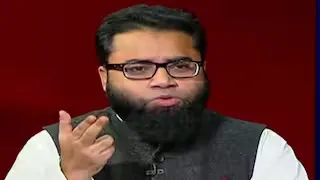
Maulana Sajid Rashidi, who says, Muslims in India should never sing Vande Mataram.
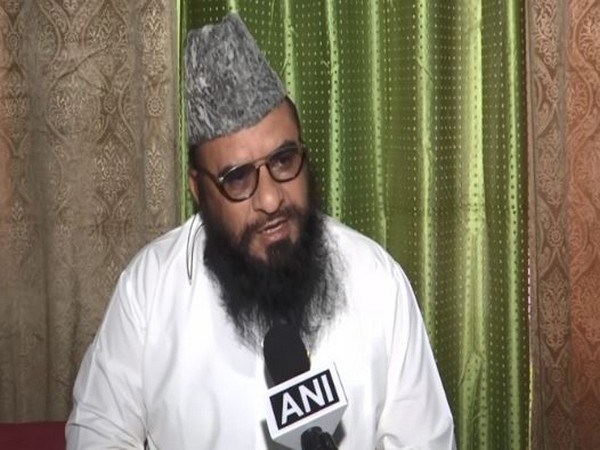
Madani, who says Jihad is legitimate in India.
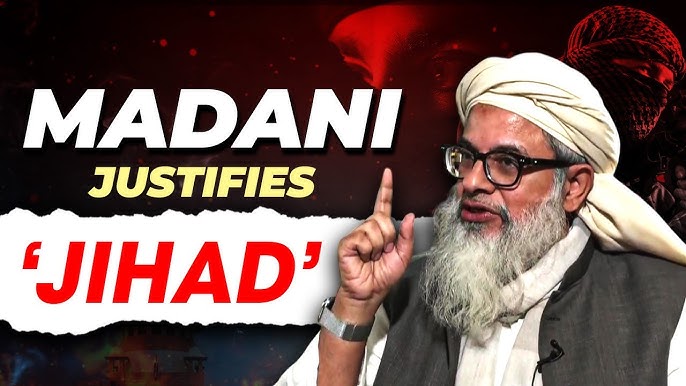
Whose side, are they? No need to guess, it’s obvious……