


.png_2025-08-17T06%3A55%3A15.106Z&w=3840&q=75)
Freedom is not a gift of generosity; it is the glorious story of the sacrifices of brave warriors. Today, as we celebrate the 79th Independence Day, let us remember this saga of sacrifice. It has been 79 years since we attained independence in 1947. But the question remains - when did we lose our freedom? For something to be regained, it must have been lost.Mysuru Dasara Prepares for Grand Jumboo Savari with Elephant Brigade in Spotlight..!
Was it in 1857 during the sepoy mutiny led by Mangal Pandey? Indians were defeated, and the British emerged victorious. Until then, the East India Company ruled India, but after the rebellion, the Queen of England officially declared sovereignty over India. Did we lose independence then? If so, why do historians call it the First War of Independence? Clearly, freedom must have been lost even earlier.
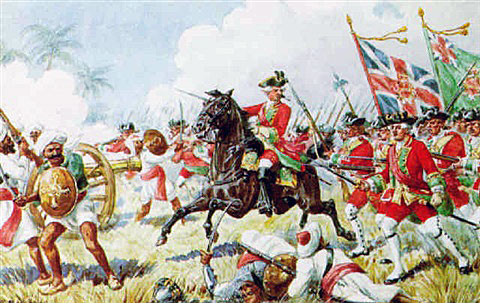
Let’s travel further back to 1757 – the Battle of Plassey, where Siraj-ud-Daulah was betrayed by Mir Jafar, allowing Robert Clive and the British to seize control. Was this the moment India lost its freedom? Or was it earlier?
In 1608, the British first arrived in India for trade. Did independence slip away then? Or when Vasco da Gama discovered the sea route to India in 1498, bringing the Portuguese, Dutch, and French?
Or perhaps earlier - when Alexander invaded in 326 BCE, or when Arab invasions shook India during the medieval period?Karnataka Braces for Heavy Rainfall and Cyclone Impact with Red and Orange Alerts Issued..!
From this, one truth becomes clear: Independence has a definite date – 1947. But the loss of independence has no fixed date. It was not taken away by one person, one battle, or one empire. It was eroded gradually, step by step, across centuries. Yet India survived, resisted, and rose again while empires that once seemed invincible have faded into history.
The Road to Freedom (1905 – 1947)
By 1885, the Indian National Congress was formed – not as a political party at first, but as a platform for freedom fighters. Two ideologies emerged:State BJP Stands in Support of Dharmasthala – Vijayendra & Team Visit Shri Kshetra Temple Today
Moderates – who believed in peaceful protests and petitions.
Extremists – who believed independence was a birthright and called for direct confrontation.
Public gatherings for freedom were banned, so leaders turned to cultural movements. Ganesh festivals in the south and Shivaji Jayanti in Maharashtra became platforms to unite people. Newspapers like Kesari and Maratha ignited nationalist thought.
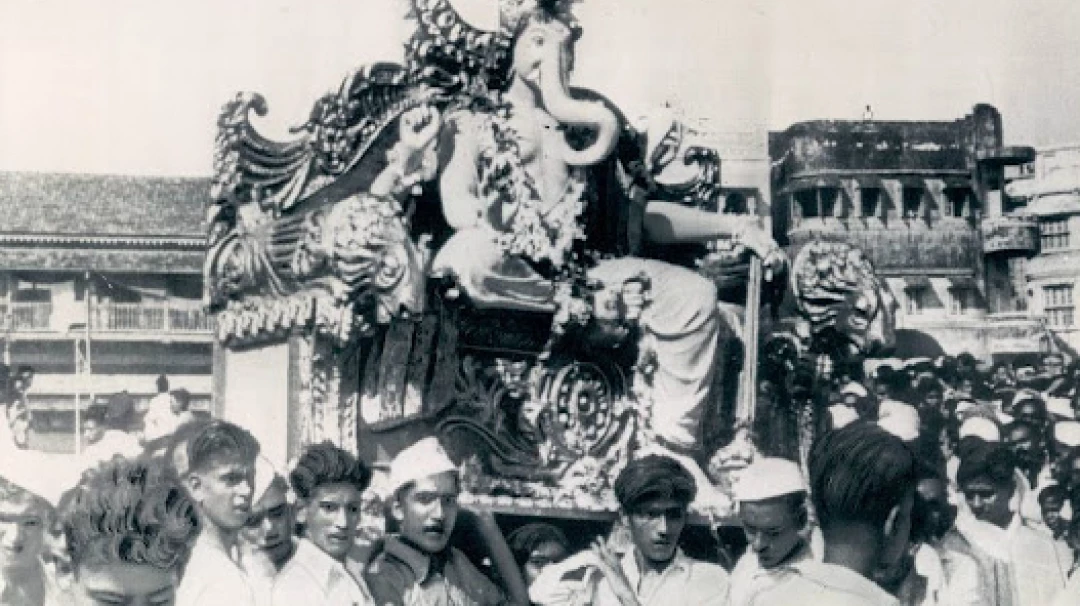
The epicenter of British rule shifted to Bengal, inspiring great leaders like Subhas Chandra Bose, Swami Vivekananda, and Rabindranath Tagore. Lord Curzon’s partition of Bengal in 1905 triggered mass resistance, leading to the Swadeshi Movement. Hindus and Muslims tied rakhi as a symbol of unity, and Tagore composed songs of protest.
In 1911, due to massive resistance, the partition was annulled. But divisions remained. By 1907, the Congress split into moderates and extremists at Surat.Rachita Ram Redefines Her Career with a Stellar Villain Role in Kannada Blockbuster 'Coolie'..!
Sikh contributions were immense, especially through the Ghadar Movement. The Home Rule Movement of 1916, led by Bal Gangadhar Tilak and Annie Besant, demanded self-governance.
That same year, the Lucknow Pact united moderates, extremists, and the Muslim League under Muhammad Ali Jinnah, marking a rare moment of solidarity.
Gandhi and Mass Movements
Mahatma Gandhi returned from South Africa in 1915 and soon transformed the struggle.
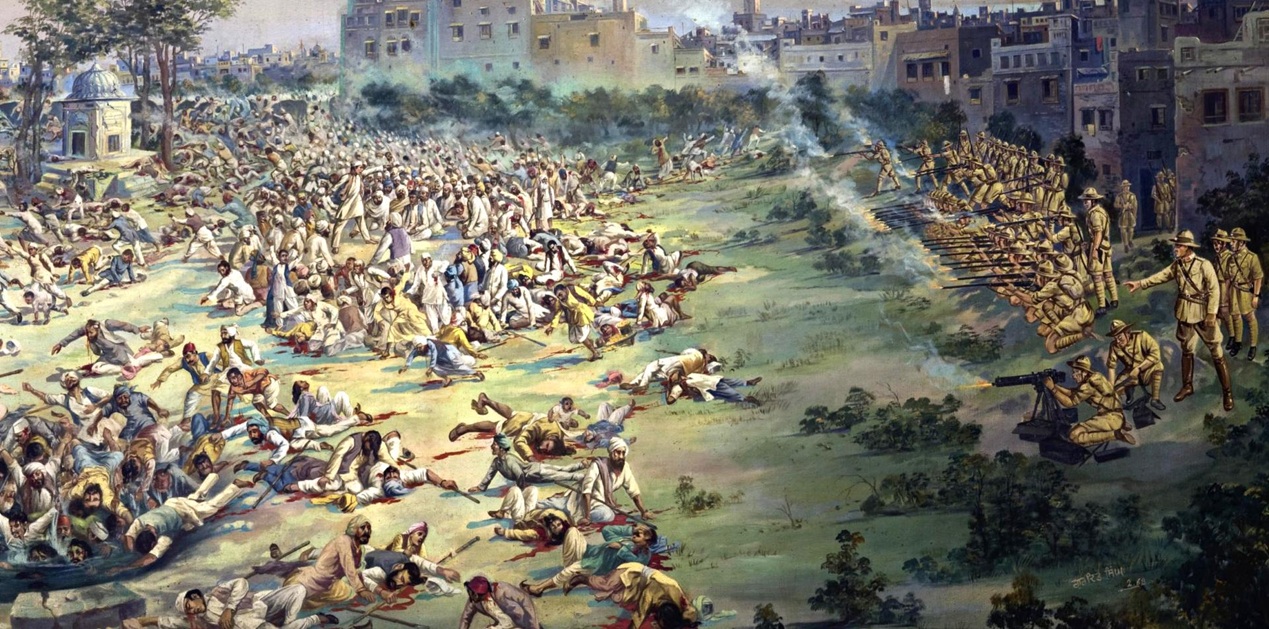
1919 Jallianwala Bagh Massacre: Hundreds were killed under General Dyer’s orders, igniting nationwide outrage. Gandhi and Tagore returned British honors. Revolutionary Udham Singh avenged the massacre in 1940 by assassinating Michael O’Dwyer in London.Darshan Thoogudeepa Faces Stringent Conditions in Parappana Agrahara Jail Amid Murder Case..!
1920 Non-Cooperation Movement: Gandhi called for boycotting British institutions.1922 Chauri Chaura incident: Violence forced Gandhi to suspend the movement, as he refused to let the struggle take a violent turn.
1925: The Rashtriya Swayamsevak Sangh (RSS) was founded, shaping nationalist thought.
Bhagat Singh and revolutionaries shook the nation. Despite his execution in 1931, his sacrifice immortalized him as a hero who lit the fire of courage in millions.Karnataka Braces for Heavy Rainfall and Cyclone Impact with Red and Orange Alerts Issued..!
1930 Civil Disobedience Movement: Gandhi’s Salt March defied British monopoly laws.
Round Table Conferences: Gandhi negotiated with the British, while B.R. Ambedkar ensured protections for marginalized communities.
Subhas Chandra Bose & Quit India
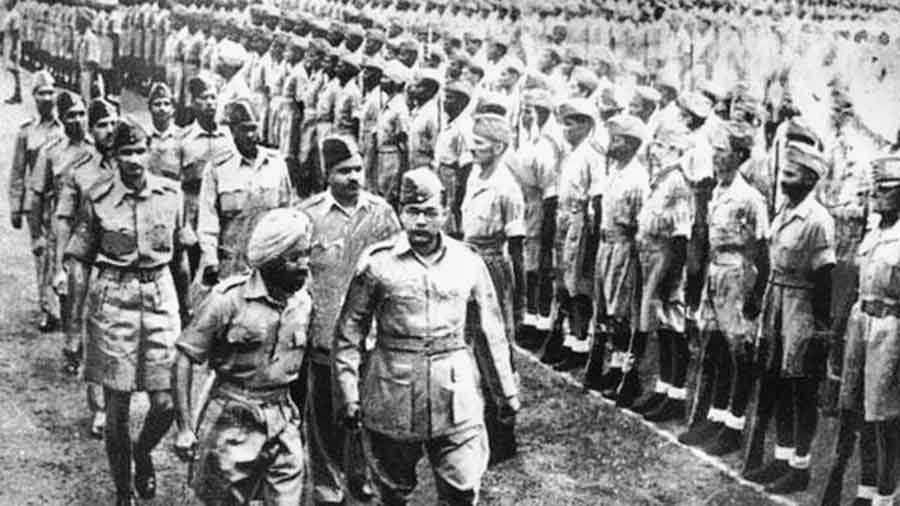
Subhas Chandra Bose, dissatisfied with Congress, formed the INA (Indian National Army) and allied with Japan during WWII. His famous call: “Give me blood, and I will give you freedom.”
In 1942, Gandhi launched the Quit India Movement, demanding the British leave India immediately. Thousands sacrificed their lives in this final mass struggle.India Monsoon: Landslide in Mumbai Due to Heavy Rain Claims Two Lives; IMD Issues Red Alert..
The End of Colonial Rule
In Britain, the Labour Party came to power in 1945, admitting it could no longer sustain colonial rule. Independence for India was inevitable.In 1947, under Lord Mountbatten’s plan, India was divided into two nations - India and Pakistan. Despite the tragedy of Partition, independence was finally achieved.'Su From So' Creates History in Kannada Cinema with ₹100 Crore Global Box Office Success..!
Independence was not a gift - it was the result of centuries of sacrifice, courage, and relentless struggle. Today, true patriotism lies not just in loving the land, but in honoring and safeguarding the ideals for which countless heroes gave their lives.