


.png_2025-09-09T06%3A13%3A05.075Z&w=3840&q=75)
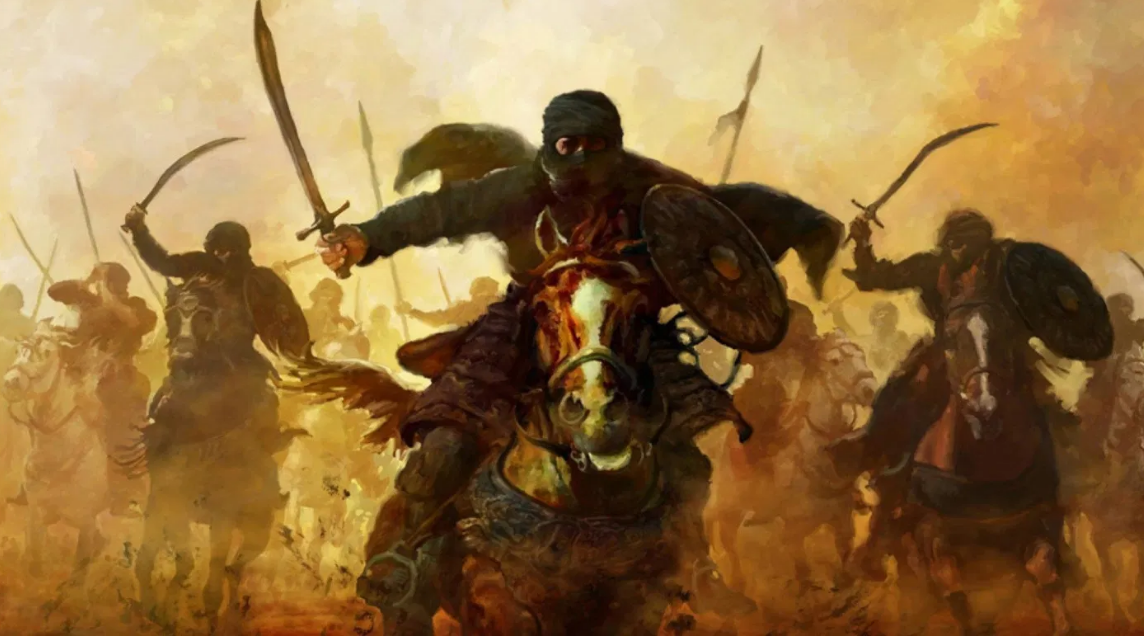
Kashi’s spiritual significance is such that, despite repeated invasions, it always rose again. The Kashi Vishwanath temple and many others were destroyed multiple times – from the invasion of Qutb-ud-din Aibak in 1194 CE, to attacks by Razia Sultana, the Sharqi dynasty, Sikandar Lodi, and the cruelty of Aurangzeb. Yet, every time the temples were rebuilt, standing tall again, even to the astonishment of its enemies.Maddur Tense After Stone Pelting, Political Blame Game Intensifies.!
The deeper reason behind this resilience was not just the reconstruction but the power of literature and belief. As long as faith survived among Hindus, no destruction could erase Kashi. For Hindus, sanctity lies not only in the temple structure but in the sacredness of the land itself. Even barren land becomes holy when belief is alive. Just as Hindus waited 500 years for Rama without a temple, Kashi too stood as a symbol of enduring faith.
Kashi carried the emotions of generations – the sacred land of their ancestors’ penance. Defending it against invasions became their responsibility, one passed from generation to generation, which Hindus believe continues even today.Communal Clashes in Nagamangala, Stone Pelting in Maddur: Invitation to Bano Mushtaq for Dasara Inauguration: Chamundi Hill Belongs to All: Government Refuses to Learn Wisdom?
One of the strongest reasons Hindus preserved their faith in Kashi was literary works and writings. Many scriptures and texts highlighting Kashi’s significance were composed and spread across the country. From the South, particularly scholars and Brahmins from Maharashtra and Karnataka (called “Dakshina Pandits”), migrated to Kashi and played an immense role in keeping alive Sanskrit literature and teaching.
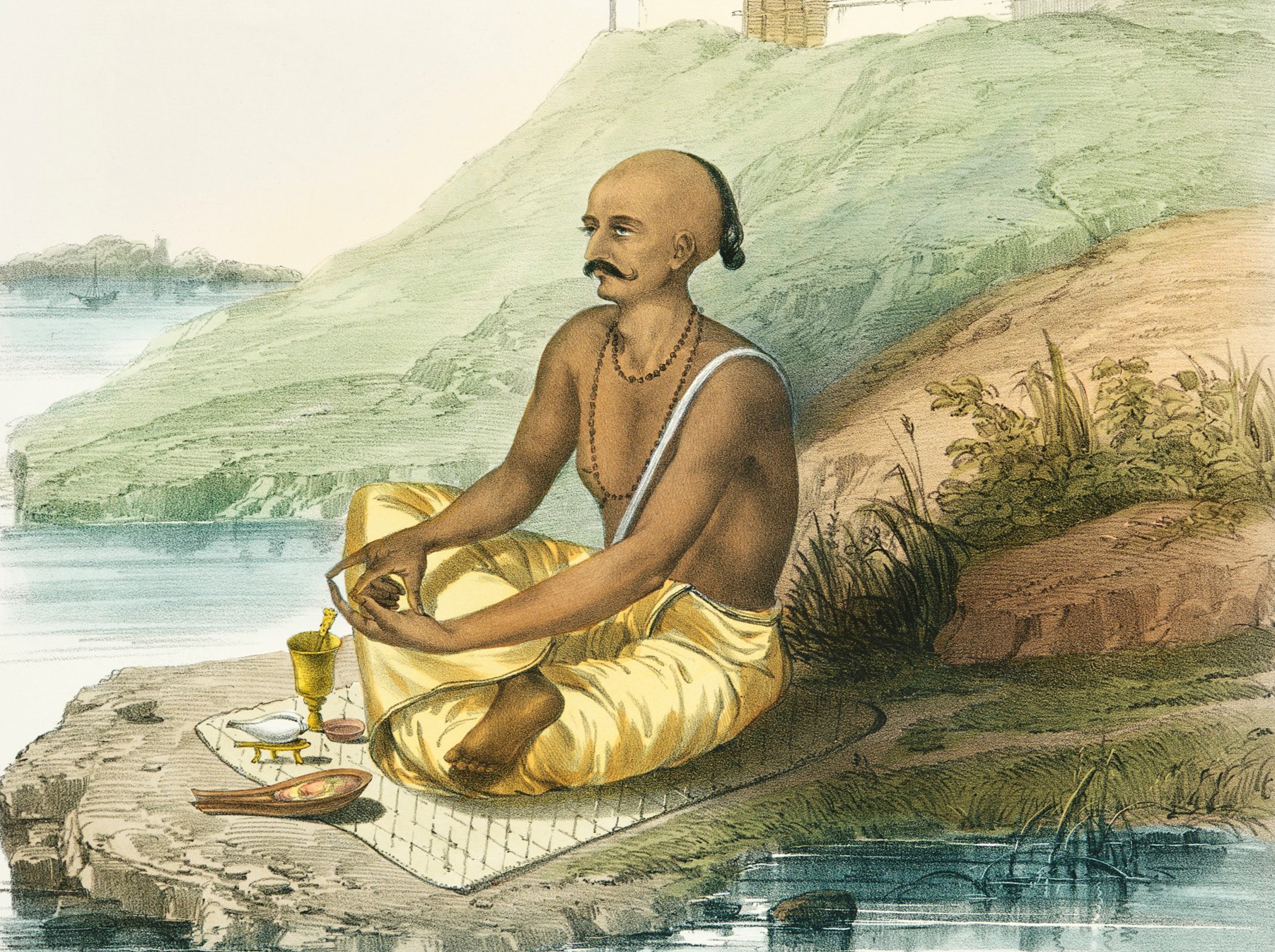
Over time, many important works were created: Lakshmidhar’s Kritya Kalpataru, Kashi Khanda of the Skanda Purana, Kashi Rahasya added to Brahma Vaivarta Purana, Vachaspati Mishra’s Tirtha Chintamani, and Narayana Bhatta’s Tristhali Setu. These works were translated into other Indian languages, spreading Kashi’s glory across the subcontinent. Around 1440 CE, Srinatha, under the patronage of Vijayanagara kings, translated the Kashi Khanda into Telugu, making it popular in South India. In the 16th century, the Marathi text Guru Charitra helped immortalize Kashi and its temples in the minds of people.Today 4 Acres, Tomorrow 40 Acres: Congress Leader Mallikarjun Kharge Insults Farmer in Kalaburagi? Oh, What Politicians These Are!
Thus, even when fanatics destroyed temples and idols, the sanctity of Kashi never faded. Along with Indian scholars, foreign travelers and writers also contributed. Among them were Chinese pilgrim Xuanzang, Persian scholar Al-Biruni, British trader Peter Mundy, French traveler Jean-Baptiste Tavernier, Protestant missionary Matthew Atmore Sherring, and British archaeologist James Prinsep.
The survival of Kashi is proof that it was not only swords but also pens that safeguarded its legacy.