


In the 6th century BCE, the ancient Gangetic plains reverberated with the clamor of ambition as two colossal empires Magadha and Kosala waged a relentless contest for dominion over the jewel of Kashi.
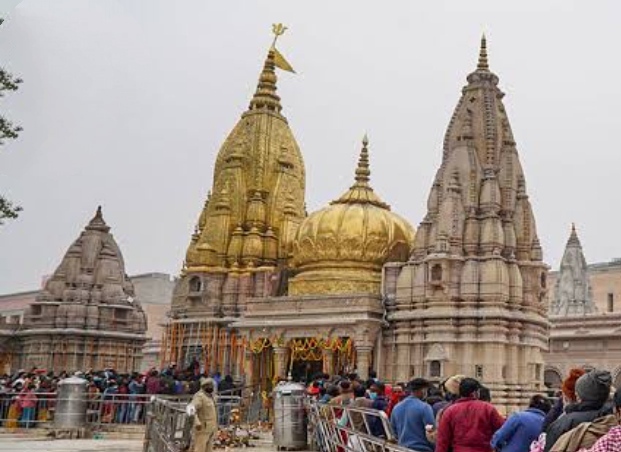
This sacred city, a nexus of trade, spirituality, and strategy, oscillated like a pendulum between their grasp sometimes ensnared by Magadha's iron fist, at others reclaimed by Kosala's cunning diplomacy. SUKHMANI CRAFT Women's Cotton Anarkali Embroidery Designer Long Anarkali Kurti With Pant and Dupatta Set (Red)
Feuds simmered into full-blown animosities, with borders redrawn in blood and ink, as each realm viewed Kashi not merely as territory but as the key to unrivaled supremacy.
The turning point arrived through the timeless artifice of matrimony. King Prasenajit of Kosala, perceiving Magadha's inexorable rise under the shrewd Bimbisara, forged an alliance by wedding his daughter, Kosaladevi, to the Magadhan sovereign. Also Read: Vasudeva Krishna who attacked Kashi city! What was the reason..?
As bridal bounty, Kashi was surrendered to Magadha a glittering dowry that sealed the pact. Yet, Prasenajit exacted a poignant stipulation the city's annual tribute, a cascade of gold from its bustling markets and fertile fields, was to fund his daughter's daily ablutions and perfumed luxuries, a subtle reminder of Kosala's lingering claim.
Tragedy soon unraveled this fragile accord. Bimbisara fell victim to patricide at the hands of his own son, Ajatashatru, who ascended through treachery and confinement. Overwhelmed by grief, the widowed Kosaladevi withered away, her death igniting Prasenajit's fury.
He unleashed a vengeful onslaught on Magadha, storming its frontiers and wresting Kashi back into Kosala's fold a triumphant reclamation that echoed through the courts of the mahajanapadas.Fate, however, proved capricious. Diplomatic winds shifted, compelling reconciliation.Also Read: According to records, how old is Kashi city? What is the relation between Dhanvantari and Kashi..?
Prasenajit, ever the pragmatist, brokered another marital bond likely with Ajatashatru himself or a kin reinstating the dowry clause and consigning Kashi once more to Magadha's embrace.
Thus, the eternal city devolved into a political plaything, bartered like a pawn in the grand chessboard of ancient Indian realpolitik, its sovereignty sacrificed on the altar of empire-building.Also Read: Why is work being done to deliberately insult the faith of Hindus at Kashi's Gyanvapi..?
As decades bled into centuries, Magadha's star ascended meteorically, devouring rivals and swelling into a colossus, while Kosala languished in comparative shadow. By the 4th century BCE, with the Mauryan juggernaut under Chandragupta thundering across the subcontinent, Kashi's geopolitical luster began to fade.
From the imperial sprawl of the Mauryas where it served as a mere administrative outpost through the golden haze of the Guptas up to the 6th century CE, the city's political heft eroded inexorably. Also Read: Another Successful Step by ISRO: 'Bahubali' LVM3 Rocket Launches CMS-03 This Evening!
Fortresses yielded to monasteries, warlords to wandering sages; Kashi pivoted from throne room intrigues to the timeless rhythm of the Ganges, its true power rediscovered not in conquest, but in the quiet sovereignty of the soul.
In this eclipse, a poignant truth emerges: Empires may claim lands, but the spirit of places like Kashi defies subjugation, enduring as beacons beyond the fray.Also Read: IRCTC Fined ₹25,000 by Delhi Consumer Court for Serving Worm-Infested Food!