


Bengaluru: In a pivotal showdown over civil liberties, the Dharwad Bench of the Karnataka High Court is poised to scrutinize a slew of public interest litigations.
contesting the state government's sweeping October 18, 2025, order that brands any assembly of more than 10 individuals in public spaces be it roads, parks, or playgrounds as an unlawful gathering.
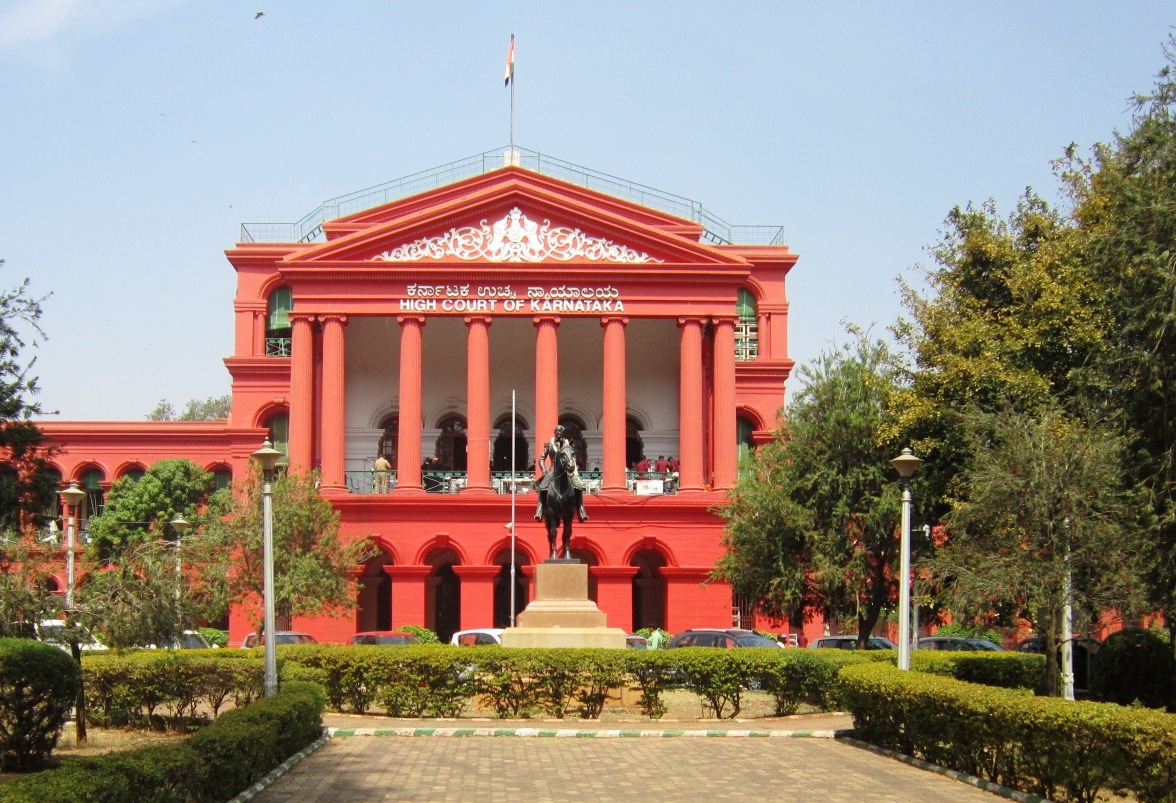
The hearings, slated to commence soon, could reshape the contours of free expression and assembly in the state, amid growing concerns that the directive stifles democratic dissent under the guise of public order.Navlik Women's Viscose Embroidered Straight Kurta with Pant and Dupatta Sets (NK-642)
The contentious Government Order (GO Ms No. 123) empowers authorities to disperse such groups without prior notice, invoking CrPC Section 144-like powers and classifying violations as misdemeanors punishable by fines or arrests.
Critics, including civil society activists, student unions, and RSS affiliates—who see it as a targeted snub to their Vijay Dashami processions—have flooded the court with petitions, demanding the order be declared unconstitutional and struck down forthwith.Also Read: Silicon City Anganwadi Safety: Horrific Video of Staff Negligence Goes Viral...!
"This isn't regulation; it's repression," argued lead petitioner Ravi Kumar, a human rights lawyer, in his filing. "It tramples Article 19(1)(b) and (a) of the Constitution—our sacred rights to assemble peacefully and express ourselves—without any reasonable nexus to public safety.
"Petitioners contend that peaceful gatherings form the bedrock of democracy, fostering dialogue on everything from environmental protests to cultural festivals. Labeling non-violent clusters of 11 or more as "illegal" is not just disproportionate but a slippery slope toward authoritarian overreach, they assert, potentially criminalizing everyday activities like neighborhood yoga sessions or impromptu market huddles. Also Read: Man's Murder Over Trivial Reason: Shocking Incident in Bengaluru..!
"Where's the line between order and oppression? This order erases it," Kumar emphasized, citing precedents like the Supreme Court's 2020 ruling in Shaheen Bagh that upheld the right to protest in public spaces as long as it doesn't inconvenience commuters.
The Dharwad Bench, comprising Justices N.S. Sanjay Gowda and M.G. Uma, has admitted the PILs after an initial review, signaling a rigorous examination of the order's proportionality and procedural fairness. The state, represented by Advocate General Prabhuling Navadgi, defends the GO as a "necessary evil" for curbing traffic snarls and flash mobs in urban hotspots like Dharwad's bustling streets and Belagavi's green expanses. Also Read: ₹28 Lakh Fraud in Nelamangala: Accused Used Actor Duniya Vijay's Name to Scam Public with Fake Site Allotments
Yet, with opposition parties like BJP labeling it a "Congress vendetta" against Hindu festivals, the case has ballooned into a political tinderbox.
as Karnataka navigates post-monsoon civic strains and festive fervor, the court's verdict—expected within weeks—looms large. A favorable ruling for petitioners could nullify the order statewide, emboldening activists and restoring public spaces as vibrant forums of freedom.
Conversely, upholding it might embolden similar curbs elsewhere, testing the resilience of India's constitutional ethos. For now, the Dharwad hearings stand as a beacon: In the marketplace of ideas, can the state dictate the crowd size, or must it make room for the many?Also Read: The Tree Mother Salumarada Thimmakka is no more... Passed away due to age-related illness!