


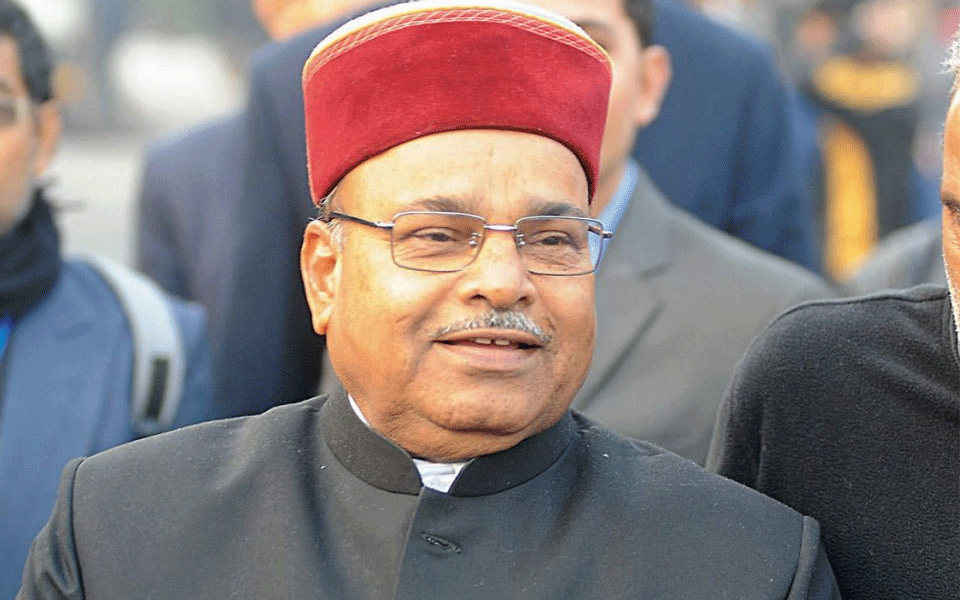
Karnataka Governor Thawar Chand Gehlot has withheld assent to the 'Karnataka Hate Speech and Hate Crimes (Prevention) Bill, 2025' introduced by the state government, instead reserving it for the consideration and assent of the President of India.
This decision has created significant ripples in state politics. The Governor refused to sign the Bill, outlining approximately 29 major reasons to halt its progress.Shining Diva Fashion Necklace Jewellery Set for Women Latest Stylish Design Fancy Crystal (16793s)
Reasons Highlighted by the Governor:
Vague Definitions and Fear of Misuse:
The primary objection is the ambiguous definition of "hate speech" in the Bill. Without a precise explanation of what constitutes hate speech, there is a high risk that authorities or the ruling government could interpret and apply it subjectively. This could lead to biased actions targeting individuals or groups based on religion, caste, or personal prejudices.Also Read: Hate Speech Bill Halted: C.T. Ravi Lashes Out at State Government; Demands Withdrawal!
Threat to Freedom of Expression:
The Bill infringes on the fundamental right to freedom of speech and expression guaranteed under Article 19 of the Constitution. In a democracy, dissent and criticism are natural.
However, the stringent provisions could suppress the voices of ordinary citizens, intellectuals, and thinkers. The Governor expressed concern that such a law would hinder intellectual freedom in Karnataka, a state known for its tradition of open thought and debate.Also Read: Budget 2026: Massive Gifts to Ally-Ruled States..!
Lack of Proper Legislative Process:
Another major issue is the absence of comprehensive and meaningful discussion during the Bill's presentation in the Legislative Assembly and Council. Passing such a serious legislation without adequate debate among elected representatives contradicts the spirit of democracy.
Existence of Existing Laws:
India already has several stringent provisions under the Bharatiya Nyaya Sanhita (formerly IPC) to regulate hate speech. The Governor questioned the necessity of introducing yet another harsh new law. Also Read: Budget 2026: Major Highlights of Indirect Taxes – Here is the Information..
Additionally, he warned that granting unrestricted powers to police to regulate online content could lead to misuse and overreach.
These align with reported concerns such as repugnancy with central laws under Article 254, violations of fundamental rights under Articles 14, 19, and 21, vagueness/overbreadth leading to a chilling effect, lack of public consultation, procedural flaws, and more though sources indicate around 29 detailed points.
were cited in communications, focusing on constitutional, legal, and procedural issues.)This move follows receipt of over 40 representations opposing the Bill from civil society, media, digital rights groups, and experts, emphasizing risks to civil liberties and potential for arbitrary enforcement.Union Budget 2026: A Historic ₹53.47 Lakh Cr Outlay Sparks Political War of Words in Karnataka!?