Video
1/2
technology

First Australian made rocket crashed after 14 seconds of fly- failed attempt to reach orbit.!

By Gireesh Vasishta
First Australian made rocket crashed after 14 seconds of fly- failed attempt to reach orbit.!

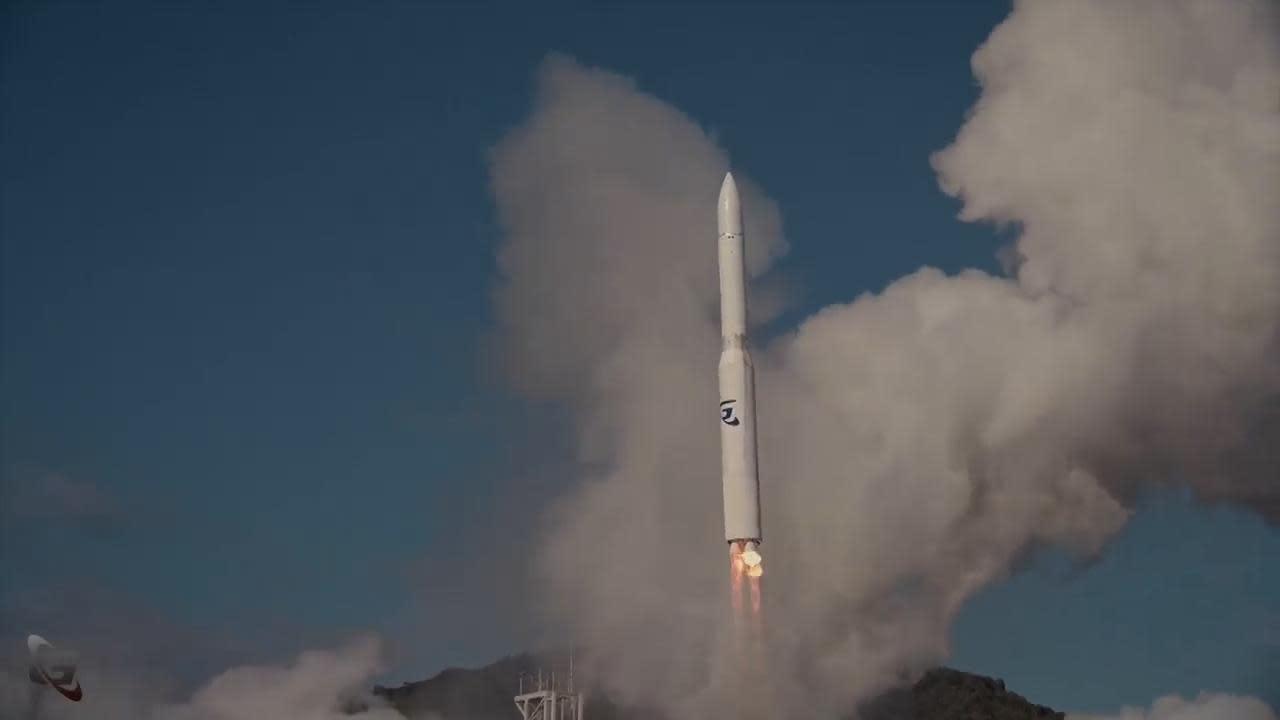
Australia's first domestically designed and manufactured orbital launch vehicle, the Eris rocket, crashed just 14 seconds after liftoff on Wednesday, July 30, 2025, during a highly anticipated test flight. The 23-meter (75-foot) rocket, built by Gilmour Space Technologies, lifted off from a spaceport near Bowen in Queensland but plummeted back down shortly after clearing the launch tower.

Australia's first domestically designed and manufactured orbital launch vehicle, the Eris rocket, crashed just 14 seconds after liftoff on Wednesday, July 30, 2025, during a highly anticipated test flight. The 23-meter (75-foot) rocket, built by Gilmour Space Technologies, lifted off from a spaceport near Bowen in Queensland but plummeted back down shortly after clearing the launch tower.BULLMER Striped Textured Printed Polo Neck Fullsleeve T-Shirt with Rib for Men

Details of the Launch and Crash

Videos circulating in Australian media showed the rocket briefly hovering before falling. Fortunately, no injuries were reported, and the launch site infrastructure remained intact. This was Australia's first orbital launch attempt in over five decades.

Despite the rapid failure to reach orbit, Gilmour Space Technologies has hailed the launch as a key milestone. CEO Adam Gilmour stated on LinkedIn, "Of course I would have liked more flight time but happy with this," noting that all four hybrid-propelled engines ignited successfully. The maiden flight recorded 23 seconds of engine burn time and 14 seconds of airborne flight.

A Step Forward Despite the Setback

Gilmour Space Technologies had previously faced delays for this launch in May and earlier this month due to technical issues and adverse weather. The company's primary goal for this test flight was to simply get the rocket off the launchpad, a benchmark they successfully achieved.

Experts in the space industry echoed this sentiment, emphasizing that failed test flights are a crucial part of rocket development. They provide invaluable data that helps engineers learn and improve future designs. This initial attempt, while not reaching orbit, is seen as a significant first step for Australia's ambition to develop a sovereign commercial space industry.

Gilmour Space, which is backed by private investors and has received grants from the Australian federal government, is already looking ahead, with preparations for a second test flight reportedly underway within the next six to eight months.