


India’s unorganised sector includes the largest group of domestic workers, yet their rights especially regarding wages remain consistently unclear and unprotected.
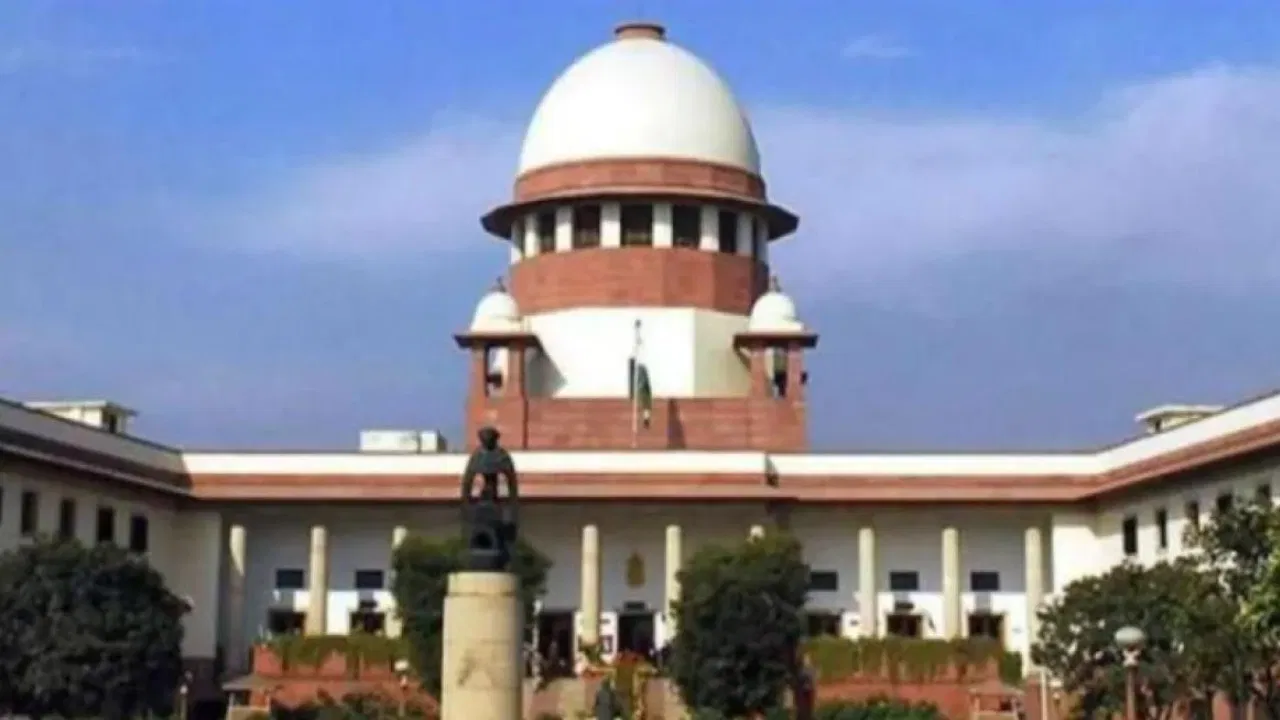
A Public Interest Litigation (PIL) filed by trade unions demanding that minimum wages be made mandatory for domestic workers across the country was rejected for hearing by the Supreme Court on January 29, 2026.
The ruling highlights the ongoing tension between labour rights and real-world practical difficulties.Shining Diva Fashion Royal Traditional Bangle Stylish Bracelet for Women & Girls(Multi-Colour)(8662b)
Key Reasons Cited by the Supreme Court Bench:
Burden on Employers: Enforcing a uniform minimum wage could impose an unaffordable financial strain on ordinary middle-class households, potentially leading to fewer people hiring domestic help altogether.
Risk of Misuse and Litigation: There is a strong possibility that labour unions could drag every small household into legal disputes, turning routine employment into constant courtroom battles and creating social unrest.Also Read: Sandalwood Actor Mayur Patel’s Drunk Driving Chaos: Multi-Car Collision Leaves Poor Driver in Tears
Judicial Limits: Framing laws or amending existing ones is the domain of the legislature and executive, not the judiciary. The Court cannot issue a writ of mandamus directing governments to enact or notify minimum wages. It advised petitioners to approach state governments instead.
Petitioners' Core Arguments:
Minimum wage is a fundamental right under Article 21 (right to life and dignified living) and Article 23 (prohibition of forced labour/beggar).
Without guaranteed minimum pay, domestic workers (mostly women and migrants) cannot live with dignity and are vulnerable to exploitation.
Court's Practical Stance:
While acknowledging the need for dignified wages, the bench noted that every household's economic capacity varies widely. Imposing a one-size-fits-all national minimum wage is extremely difficult to implement uniformly in the informal, home-based nature of domestic work.Also Read: Byrathi Basavaraj Bail Row: "Appeal in SC if Interim Bail isn't Justified" – Advocate Chouta Challenges Government
Broader Implications and Way Forward:
The Supreme Court’s decision is legally sound in terms of separation of powers, but it has reignited debate on the vulnerability of domestic workers. Beyond minimum wages, there is growing demand for.
Social security
Regulated working hours
Grievance redressal mechanisms
Registration and contracts
Existing frameworks like the Code on Wages, 2019 provide some coverage, but enforcement remains patchy and state-dependent. Only a handful of states have notified minimum wages for domestic workers. Also Read: Bomb Threat to Four Prestigious Schools in Delhi: Menacing Emails Spark Panic!
The ruling shifts the onus back to state governments and legislatures to act, while spotlighting the urgent need for balanced, enforceable protections for this massive, invisible workforce.Also Read: Bengaluru's Bengali Migrants Face 'SIR' Heat: Mass Exit Ahead of West Bengal 2026 Polls!?